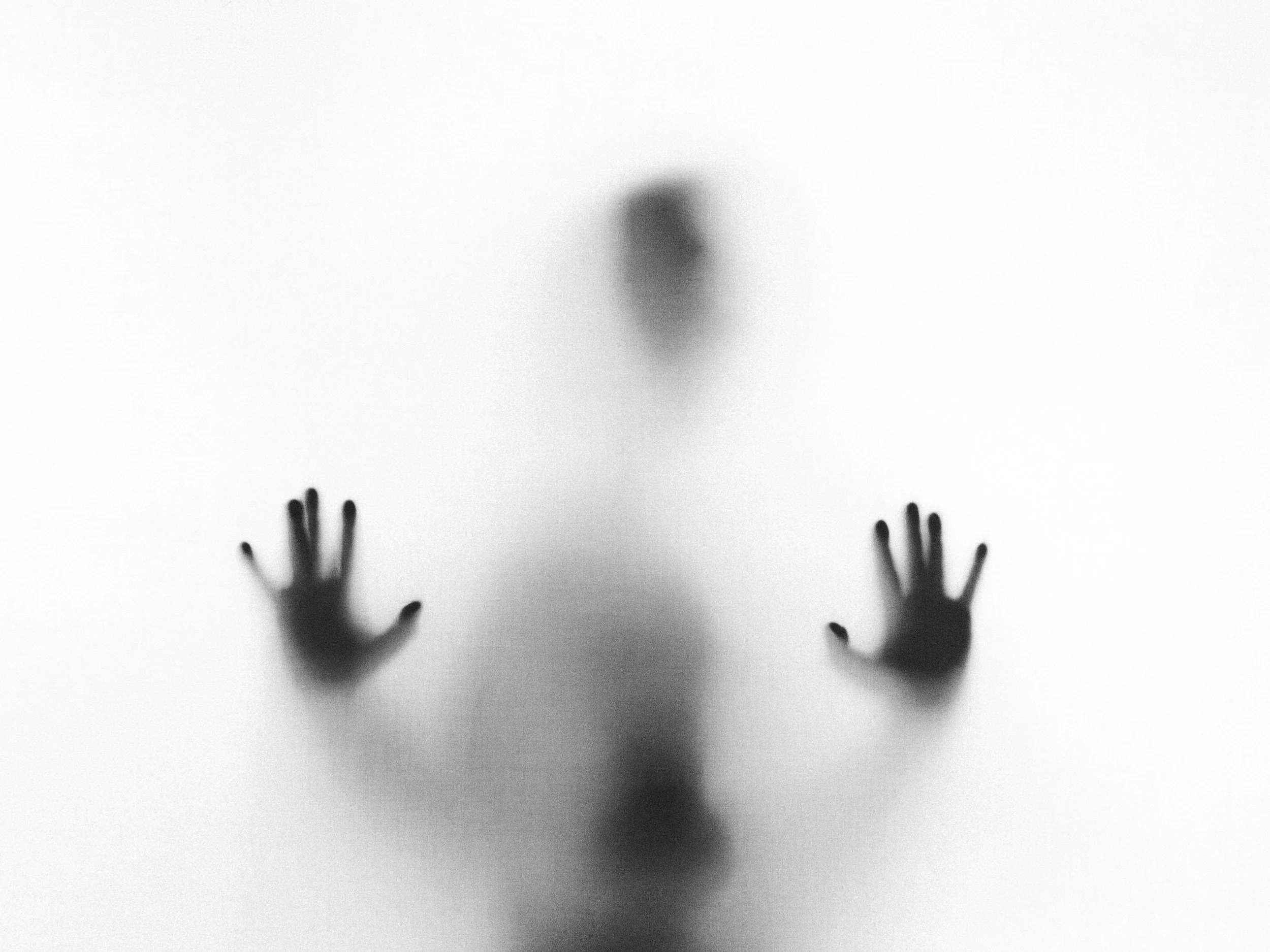
Astral projection is an intentional out of body experience where practitioners report their consciousness separating from the physical body. While science explains this as a neurological or sleep related phenomenon, many esoteric traditions view it as a travel through the astral plane. Here is how the practice works and how to try it.
What is astral projection and how does it work?
Astral projection is a practice rooted in nineteenth century Theosophy, which posited that humans possess an astral body capable of traveling independently of the physical form. Practitioners describe working through an intermediate area known as the astral plane. While the concept draws on older esoteric traditions like Hermeticism and Neoplatonism, the modern understanding was heavily shaped by figures like Helena Blavatsky and later, Robert Monroe, who popularized the term out of body experience.
From a scientific perspective, there is no evidence that consciousness can exist outside the brain. Neurological research links out of body experiences to a failure in integrating sensory information within the brain temporo parietal junction. This multisensory disintegration can create the illusion of disembodiment. Astral projection is also closely associated with sleep related phenomena, particularly sleep paralysis and lucid dreaming, where the body rapid eye movement stage muscle atonia persists into wakefulness.
In some cases, out of body experiences are linked to dissociative states and psychiatric conditions. A case study of a fifteen year old with dissociative identity disorder and dissociative fugue described an out of body experience where he felt his soul leave his body and observe himself from a third person perspective. In this context, the out of body experience is understood as a form of depersonalization and dissociation, often triggered by severe stress or trauma. Out of body experiences have also been reported in association with schizophrenia, anxiety, and depression, highlighting the importance of considering psychological well being when evaluating these experiences.
What is the difference between astral projection and lucid dreaming?
Astral projection and lucid dreaming share significant overlap. Both involve a hybrid state between waking and dreaming. In lucid dreaming, the dreamer becomes aware they are dreaming and can often control the narrative. In astral projection, the practitioner attempts to maintain consciousness while the physical body falls asleep, often using the resulting sleep paralysis as a launching pad for the experience. You can read more about lucid dreaming techniques to understand the similarities.
While practitioners often distinguish between the two, viewing lucid dreaming as an internal psychological event and astral projection as an external travel, scientific consensus views both as profound, internally generated states. Individuals who experience one are more likely to experience the other, and techniques for inducing them are often similar. Research suggests that both phenomena involve a hybrid state between waking and dreaming, with individuals who experience one being more likely to experience the other. The vividness of these experiences can make them feel profoundly real, but they are fundamentally internal, psychological events.
The simplest and most scientifically supported explanation is that astral projection is a profound, internally generated fantasy or dream state, influenced by the brain multisensory processing and the individual suggestibility and imagination. Scientific tests, such as asking a person to project their consciousness to a hidden location and identify objects, have consistently failed to provide proof of literal astral travel.
What is the silver cord in astral projection?
A recurring motif in astral projection lore is the silver cord, a supposed psychic link connecting the astral body to the physical body. This concept, often linked to a metaphorical interpretation of Ecclesiastes, is presented in occult literature as a tether that ensures the traveler can return safely. While there is no empirical evidence for the silver cord, it serves as a comforting visualization for many practitioners.
Other concepts include the idea of different vibrational levels or focus levels, as introduced by Robert Monroe. Monroe approach moved away from occult terminology, using binaural beats to synchronize brain hemispheres and induce states conducive to out of body experiences. This secular framework has heavily influenced modern practices. You can explore concepts of the astral plane to see how these ideas evolved.
While Theosophy synthesized various traditions, the modern concept of astral projection differs from older religious ideas of soul flight. In ancient Egyptian beliefs, the soul could hover outside the body. In various shamanic traditions, soul flight is a specific, often community oriented practice for healing or divination, not a recreational pursuit. In Hinduism, concepts like the subtle body exist, and astral travel is sometimes considered a magical power achieved through rigorous yoga, rather than a standalone practice.
How do you try astral projection safely?
Attempting astral projection requires patience and a focus on relaxation. Practitioners commonly report that the process involves maintaining mental awareness while allowing the physical body to enter a state of deep sleep. There are many techniques for astral projection that you can try. Here is a general method that many practitioners use to initiate the process.
First, find a quiet, comfortable space where you will not be disturbed. Lie down and ensure your body is fully supported. Focus on relaxing every muscle in your body, starting from your toes and working your way up to your head. This physical relaxation is crucial for allowing the body to fall asleep while the mind remains awake. Some practitioners use color focus and afterimages to help maintain mental focus during this stage.
Next, focus on your breathing. Take slow, deep breaths, and allow your mind to clear. As your body relaxes, you may begin to experience hypnagogic hallucinations, such as seeing shapes or hearing sounds. This is a normal part of the transition between wakefulness and sleep. Do not be alarmed by these sensations; simply observe them and remain calm. Some people also use astral projection via touch to help ground their awareness.
Once your body is deeply relaxed and your mind is calm, you can attempt to separate your consciousness from your physical body. One common technique is the rope method, where you visualize a rope hanging above you and imagine yourself climbing it, pulling your astral body out of your physical body. Another method is the roll out technique, where you simply imagine yourself rolling out of your physical body. You can also read about the projection of the astral body for more detailed instructions.
What are the religious views on astral projection?
Astral projection carries several risks and boundaries that must be respected. Culturally, the concept of astral projection has been heavily commercialized by the New Age movement, often appropriating and flattening distinct traditions like Hindu and Buddhist teachings or Sufi mysticism into generic practices. Religiously, mainstream Christianity and Islam generally view voluntary astral projection as spiritually dangerous or forbidden.
In Christianity, voluntary astral projection is widely discouraged and often categorized as an occult practice or a form of sorcery, which biblical texts explicitly warn against. The theological concern is that attempting to cross natural boundaries between the physical and spiritual realms without divine initiation opens individuals to spiritual deception or demonic influence. However, Christian theology does recognize involuntary out of body experiences or visions initiated by God. For instance, the Apostle Paul experience described in the Bible, where he was caught up to the third heaven, is viewed as a divine revelation rather than a self directed astral projection.
In Islam, mainstream perspectives generally view astral projection as forbidden or, at best, a futile distraction from true piety. It is often seen as a postmodern superstition or a commercialized New Age concept that has no basis in orthodox Islamic teachings. However, within Islamic mysticism, there are complex traditions regarding spiritual travel and the exploration of different realms of consciousness. Scholars note that figures like Ibn Arabi discussed spiritual insights and travels, but these are deeply rooted in Islamic metaphysics and piety, and should not be equated with the modern, secularized concept of astral projection.
What are the psychological mechanisms behind astral projection?
Out of body experiences are characterized by a sensation of the self being located outside the physical body, often accompanied by an elevated visuospatial perspective. Neurological research indicates that out of body experiences are linked to a failure in integrating proprioceptive, tactile, and visual information within the brain temporo parietal junction. This multisensory disintegration, combined with vestibular dysfunction, can create the illusion of disembodiment and floating. Studies have shown that electrical stimulation of this cortical area can induce vestibular and multisensory illusions, including out of body experiences. Furthermore, patients with vestibular disorders report out of body experiences at a significantly higher rate compared to those without such issues.
Astral projection is closely associated with sleep related phenomena, particularly sleep paralysis and lucid dreaming. Sleep paralysis occurs when the body rapid eye movement stage muscle atonia persists into wakefulness, often accompanied by hallucinations. Vestibular motor hallucinations during sleep paralysis frequently manifest as feelings of floating, flying, or out of body experiences. Lucid dreaming, where the dreamer is aware they are dreaming, also shares commonalities with astral projection. Research suggests that both phenomena involve a hybrid state between waking and dreaming, with individuals who experience one being more likely to experience the other. The vividness of these experiences can make them feel profoundly real, but they are fundamentally internal, psychological events.
In some cases, out of body experiences are linked to dissociative states and psychiatric conditions. A case study of a fifteen year old with dissociative identity disorder and dissociative fugue described an out of body experience where he felt his soul leave his body and observe himself from a third person perspective. In this context, the out of body experience is understood as a form of depersonalization and dissociation, often triggered by severe stress or trauma. Out of body experiences have also been reported in association with schizophrenia, anxiety, and depression, highlighting the importance of considering psychological well being when evaluating these experiences.
The concept of astral projection has ancient roots, with various cultures and shamanic traditions describing the ability of the spirit to leave the body. However, the modern understanding of astral projection was heavily influenced by nineteenth century Theosophy, founded by Helena Blavatsky. Theosophy posits the existence of seven bodies, including the astral body, which can travel on astral planes. This esoteric framework borrowed from Tibetan, Hindu, and Buddhist traditions. Today, astral projection is often commercialized in New Age circles, with books and seminars promising to teach the technique, despite the lack of empirical evidence for literal travel.
Despite the vivid and sometimes life changing nature of out of body experiences, there is no scientific evidence that consciousness can exist independently of the brain or travel to other locations. Scientific tests, such as asking a person to project their consciousness to a hidden location and identify objects, have consistently failed to provide proof of literal astral travel. The simplest and most scientifically supported explanation is that astral projection is a profound, internally generated fantasy or dream state, influenced by the brain multisensory processing and the individual suggestibility and imagination.
Common Mistakes in Astral Projection
When attempting astral projection, practitioners often make several common mistakes. One of the most frequent errors is confusing sleep paralysis with a spiritual attack. Sleep paralysis occurs when the body rapid eye movement stage muscle atonia persists into wakefulness, often accompanied by hallucinations. This can be a terrifying experience, but it is a natural physiological phenomenon, not a demonic attack.
Another common mistake is attempting to force the experience rather than relaxing into it. Astral projection requires a delicate balance of mental awareness and physical relaxation. Trying too hard can create physical tension, which prevents the body from falling asleep. It is important to approach the practice with patience and a relaxed mindset.
Failing to recognize the role of hypnagogia and brainwave states is also a common error. Hypnagogia is the transitional state between wakefulness and sleep, characterized by vivid sensory experiences. Understanding this state can help practitioners move through the transition more smoothly and avoid panic. Additionally, conflating New Age astral projection with specific religious mystical traditions is a mistake that can lead to cultural appropriation and a misunderstanding of the practices.
Finally, ignoring the psychological risks of dissociation and mental exhaustion is a significant error. Astral projection can be a mentally taxing practice, and prolonged focus on the astral plane may cause dissociation from physical reality. It is crucial to establish grounding practices and prioritize psychological well being when exploring these experiences.
If you want to go further with this, my class How Magic Works covers a step by step process for turning desires into results. I walk you through it step by step so you can apply it to your own practice rather than just read about it.