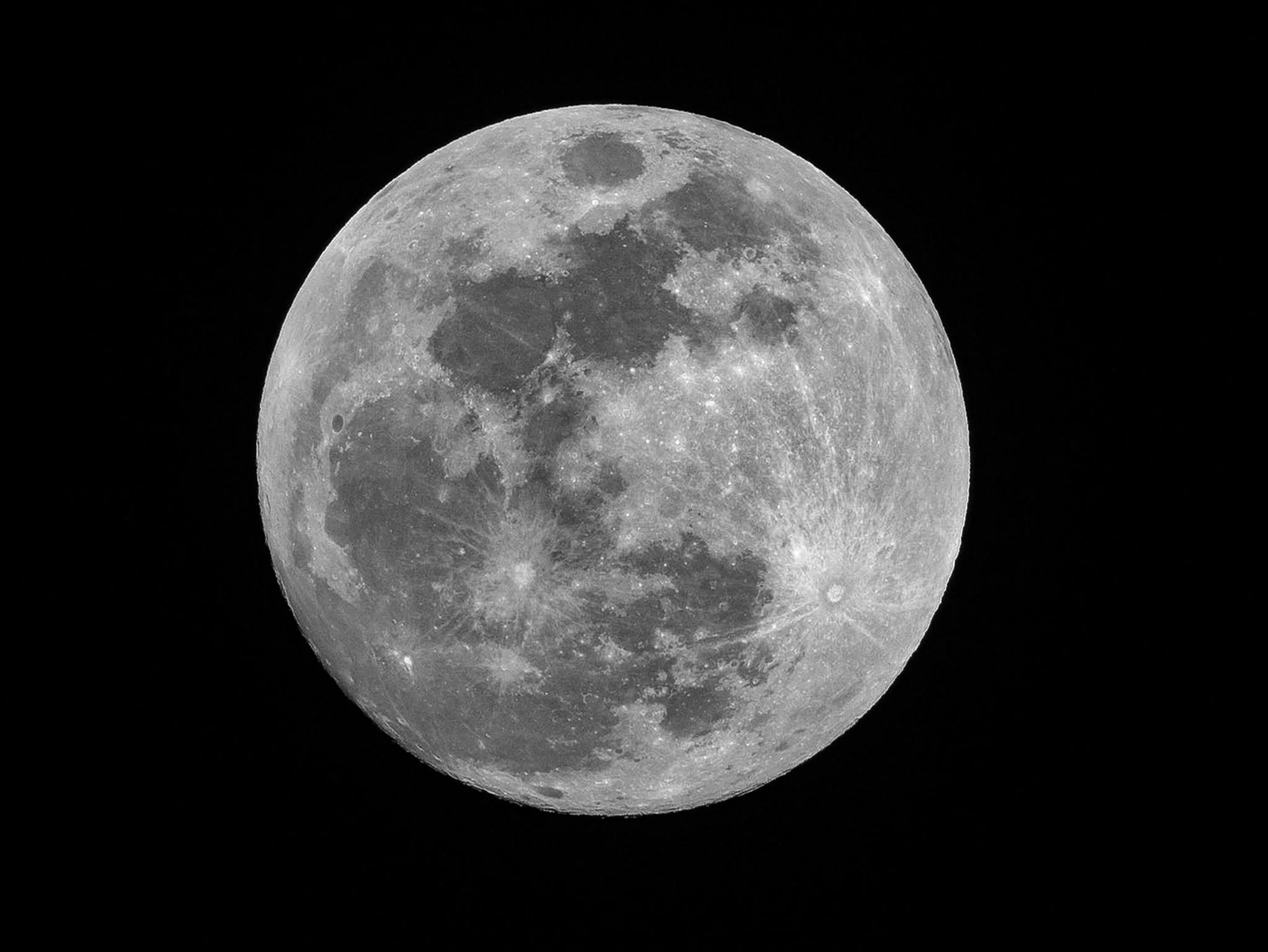
A full moon ritual is a structured practice performed during the peak of the lunar cycle to reflect, release unwanted habits, and set intentions. While the moon does not physically force change, these rituals provide a predictable psychological anchor for mindfulness, self-care, and symbolic closure.
What are the benefits of a full moon ritual?
The belief in a lunar effect, the idea that the full moon causes erratic behavior or physical changes in humans, is not supported by scientific evidence. The gravitational pull of the moon does not alter human biology or behavior. Instead, the benefits of a full moon ritual are primarily psychological. Rituals offer a structured framework for processing emotions and reducing anxiety. The lunar cycle serves as an external timer for regular self-reflection. Engaging in symbolic acts, such as writing down and destroying representations of negative habits, can provide a powerful sense of psychological release and closure. The moon acts as a metaphor for culmination and illumination, prompting practitioners to assess what is no longer serving them. Claims that the moon physically alters human behavior through gravity are unsupported by scientific evidence. Any historical correlation between the full moon and increased activity is more likely due to the increased nighttime illumination before the advent of artificial lighting, which allowed for more nighttime activity and potential sleep deprivation.
For many modern practitioners outside of specific religious traditions, full moon rituals serve as a psychological tool for reflection and intention-setting. The full moon is often viewed symbolically as a time of culmination, release, and letting go of what no longer serves them, contrasting with the new moon, which is seen as a time for new beginnings. These practices, which may include journaling, meditation, or symbolic burning of written intentions, offer a structured time for mindfulness and self-care, independent of any supernatural claims. It is crucial to separate the symbolic and psychological value of these rituals from literal, empirical claims. The energy of the full moon is a metaphor for culmination, not a physical force that guarantees outcomes.
What is the best time for a full moon ritual?
Astronomically, the full moon is a specific moment when the Earth is directly between the Sun and the Moon. However, practitioners generally observe a full moon window that spans about three days: the day before, the day of, and the day after the exact full moon. During this period, the moon appears fully illuminated to the naked eye. You can perform your ritual at any point during this window, choosing a time that aligns with your schedule and energy levels. The full moon occurs when the Earth is directly between the Sun and the Moon, fully illuminating the lunar surface facing Earth. Astronomically, the exact moment of the full moon is a specific point in time. However, in both observational and ritual contexts, the full moon window is generally considered to span about three days. During this period, the moon appears fully illuminated to the naked eye.
Throughout history, various cultures have observed the full moon for timekeeping, agriculture, and spiritual purposes. The naming of full moons often stems from a mix of Native American, Colonial American, and European folklore, popularized by almanacs. In many ancient cultures, the full moon was a time of heightened spiritual significance, often associated with deities, fertility, and the cyclical nature of life. The full moon has been a source of fascination and reverence across cultures and throughout history. In many ancient societies, the moon served as a calendar, guiding agricultural activities and religious observances. For example, Native American tribes used full moon phases to track the seasons, with names reflecting regional ecology and customs.
What are the best full moon practices and rituals?
Contemporary full moon rituals are highly individualized and generally focus on themes of release, gratitude, and reflection. The full moon is symbolically viewed as a time of culmination, making it an ideal moment to let go of unwanted patterns. Taking time to review the past lunar cycle is a common practice. Practitioners acknowledge achievements and identify areas of stagnation. This structured reflection helps maintain focus on personal goals and emotional well-being. A release ritual often involves writing down limiting beliefs, toxic relationships, or negative habits on paper. The practitioner then safely burns or disposes of the paper to symbolize letting go. This act of physical destruction can offer a strong sense of psychological release.
Lighting specific candles can represent intentions or provide a focal point for meditation. The practice of candle magick is a common element in many modern rituals, serving as a visual anchor for the practitioner's focus. Using tools like tarot or oracle cards during the full moon is a popular way to gain insight into current life situations. Practitioners use the symbolic illumination of the full moon to seek clarity on complex issues. Full moon rituals are intentional practices designed to connect with the lunar cycle, often focusing on reflection, release, and manifestation. These practices span various cultures and histories. Modern rituals often incorporate elements like meditation, journaling, and gathering in moon circles to foster community and spiritual connection.
A common element in these rituals is the use of fire, such as burning written intentions or lighting candles. This symbolizes the release of negative energy or habits. Practitioners are advised to use fireproof containers and ensure complete extinguishment to maintain safety. Another popular practice is creating moon water by leaving a jar of water under the moonlight, which is then used for watering plants or personal cleansing. When making moon water, water left outdoors should not be ingested unless it is properly sealed and safe for consumption. Fire rituals, such as burning paper with written intentions, must be conducted safely in fireproof containers to prevent accidents. Fire safety is a primary concern when performing candle magic or burning paper for release rituals; practitioners must use fireproof containers, keep extinguishing materials nearby, and never leave flames unattended.
What are the best crystals and herbs for a full moon ritual?
Crystals are frequently used in full moon rituals, with practitioners believing the moon's light can cleanse and charge them. However, scientific research does not support the claim that crystals possess healing powers or emit energy that interacts with the human body. Studies indicate that any perceived benefits from crystal healing are likely due to the placebo effect. While crystals do not offer medical treatment, they can serve as focal points for meditation and mindfulness, providing psychological comfort and a sense of grounding. There is no scientific evidence supporting the physical healing powers of crystals or their ability to emit measurable energy that affects the human body. Any perceived benefits are largely attributed to the placebo effect and the psychological benefits of mindfulness and meditation.
The use of herbs and incense is prevalent, but it carries significant cultural and safety considerations. The practice of smudging with white sage or palo santo is a closed Indigenous practice. The mainstream adoption of these materials has led to cultural appropriation and environmental concerns due to overharvesting. Non-Indigenous practitioners are encouraged to use alternative herbs like rosemary or mugwort and refer to the practice as smoke cleansing. Additionally, many plants used in rituals or kept as houseplants are highly toxic to pets, necessitating careful selection and placement. Many plants and herbs used in rituals or kept as houseplants are toxic to pets. For example, aloe, amaryllis, azaleas, dieffenbachia, lilies, and sago palms can cause severe illness or death in cats and dogs. Always verify the safety of any plant brought into a home with pets.
How to integrate astrological cycles into full moon rituals?
Many practitioners incorporate astrological concepts into their full moon rituals. The zodiac sign the moon is in during the full phase is often used to theme the ritual. For example, an Aries full moon might focus on releasing anger or impulsive behaviors, while a Taurus full moon might center on gratitude for material stability. However, it is essential to remember that astrology is a symbolic system, not a scientific one. The positions of the planets do not exert physical forces that dictate human behavior or guarantee the success of a ritual. Instead, astrological themes provide a structured vocabulary for self-reflection and intention-setting. The role of astrological cycles is to offer a framework for continuous personal development, rather than a deterministic set of rules.
When working with astrological concepts, practitioners often look at the relationship between the moon and other planets. For instance, working with Saturn and the moon might involve themes of discipline, boundaries, and emotional maturity. These symbolic associations can deepen the psychological impact of a ritual by providing specific areas for reflection. Some practitioners also use specific tools, such as the pentacle of the moon, to focus their intentions during these astrological alignments. Others draw on lunar and sacred cross workings to create a structured ritual framework that aligns lunar timing with directional symbolism. However, it is important to maintain a grounded perspective and recognize that these tools are aids for focus, not magical devices that guarantee specific outcomes. The effectiveness of a ritual depends on the practitioner's psychological engagement and commitment to personal growth, not the literal alignment of celestial bodies.
In modern Pagan and Wiccan traditions, the full moon is a central time for ritual, known as an Esbat. Unlike the Sabbats, which celebrate the solar seasonal cycle, Esbats are typically reserved for the initiated coven members to perform specific magical workings, spellcraft, and healing. A key ritual within some Wiccan traditions is Drawing Down the Moon. Historically rooted in tales of Thessalian witches, the modern Wiccan practice is a ritual of possession. The High Priestess enters a trance state to allow the Goddess to enter her body and speak or interact with the coven. This is a specific, intense spiritual practice, distinct from the more casual modern interpretation of simply absorbing lunar energy or meditating in moonlight. Assuming Drawing Down the Moon is just standing in moonlight rather than a specific Wiccan ritual of possession is a common error. Blending distinct religious practices into a generic witchcraft category is also a common mistake.
What are common mistakes and where to start?
When beginning a full moon practice, many individuals encounter common pitfalls that can detract from the experience or pose safety risks. Understanding these errors is essential for developing a safe and meaningful ritual practice. One of the most frequent mistakes is expecting immediate or guaranteed magical outcomes from a ritual. Rituals are psychological tools for reflection and intention-setting, not mechanisms for forcing change in the external world. Believing that a ritual will automatically manifest wealth, heal physical ailments, or alter the behavior of others is a misunderstanding of the practice. The focus should remain on personal growth, emotional processing, and self-awareness. As discussed in the context of why intention alone is insufficient, practical action must accompany any ritual work.
Another significant error is the appropriation of closed cultural practices. Using white sage or palo santo for smudging, or adopting specific indigenous ceremonies without permission or context, is disrespectful and harmful. Practitioners should use culturally neutral methods, such as purification with rosemary or sound, and avoid blending distinct living religions into a generic spiritual aesthetic. Safety is also a critical concern. Leaving burning candles unattended, failing to extinguish ritual fires completely, or using toxic plants around pets are common mistakes that can lead to serious accidents. Always prioritize physical safety when designing and executing a ritual.
Common Mistake Why It Matters Better Approach Expecting guaranteed outcomes Rituals are psychological tools, not mechanisms for forcing external change. Focus on personal reflection and emotional processing rather than specific results. Using white sage or palo santo for smudging These are closed Indigenous practices; mainstream adoption causes cultural harm. Use culturally neutral herbs like rosemary or mugwort for smoke cleansing. Leaving candles or fires unattended Unattended flames pose serious fire hazards. Always use fireproof containers and keep extinguishing materials nearby. Treating crystals as medical treatments No scientific evidence supports physical healing claims for crystals. Use crystals as focal points for mindfulness, not as substitutes for medical care. Blending distinct religious traditions Flattening living religions into generic witchcraft erases cultural meaning. Treat each tradition as distinct; research before incorporating elements from other faiths.
For those wondering where to start, the best approach is to keep the practice simple and focused on personal reflection. Begin by observing the full moon window and setting aside time for journaling or meditation. Focus on themes of gratitude and release, identifying habits or beliefs that no longer serve a positive purpose. If incorporating physical elements like candles or written intentions, ensure all fire safety protocols are followed. Remember that the value of the ritual lies in the psychological comfort and structured reflection it provides, not in complex ceremonies or supernatural claims. By approaching full moon rituals with a grounded, respectful, and safety-conscious mindset, practitioners can develop a meaningful practice that supports their emotional well-being.
If you want to go further with this, my class Elemental Balancing Ritual covers how to work with a force as an element over time. I walk you through it step by step so you can apply it to your own practice rather than just read about it.