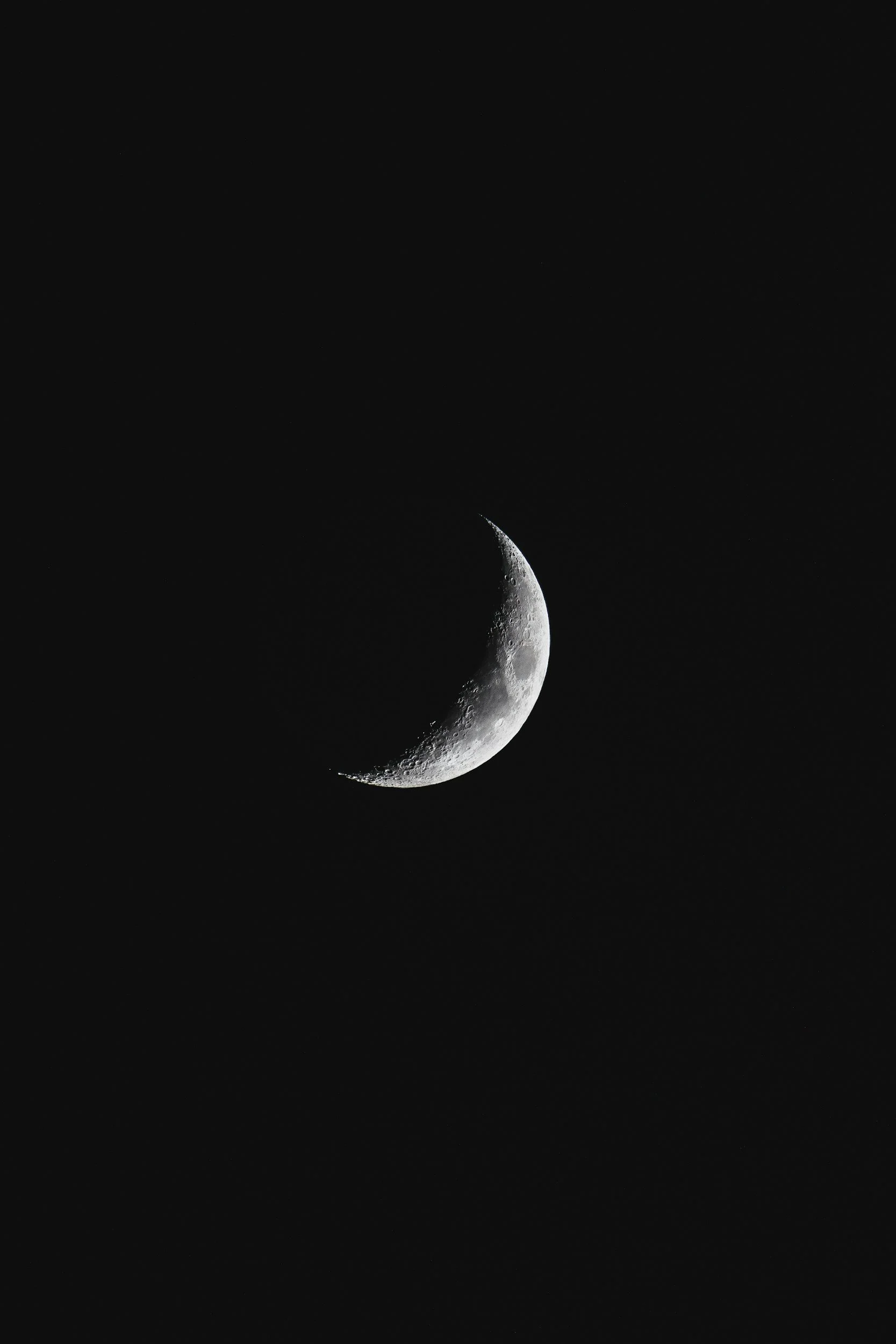
A new moon ritual is a structured period of reflection and intention setting performed during the invisible phase of the lunar cycle. Practitioners use this time to clarify goals, write down specific plans, and focus their attention. The practice combines psychological mindfulness techniques with symbolic actions to encourage habit formation and personal growth.
Best New Moon Practices and Rituals
The core of a new moon ritual involves setting clear, actionable intentions. Unlike vague wishes, effective intentions function as specific plans that align your focus with your values. Research in psychology demonstrates that forming specific plans significantly enhances goal attainment. The ritualistic aspect of writing down goals and visualizing success aligns with psychological principles of self-awareness and cognitive focus. When you articulate a goal clearly, you engage the brain's attentional systems, making it easier to recognize opportunities that align with your stated objectives.
Common practices include creating a quiet space, meditating, and writing down specific intentions in the present tense. Practitioners often use the dark phase of the moon as a symbolic blank slate. This period serves as a consistent, monthly temporal landmark that prompts individuals to pause, reflect, and reset their goals. This structured framework can combat procrastination and improve mental well-being by providing a regular interval for self-assessment.
To focus your attention and intention, start by identifying one or two specific areas of your life that require adjustment. Write down your intentions clearly. For example, instead of writing "The practitioner wants to be healthier," write "The practitioner will walk for thirty minutes every morning." This level of specificity helps align your brain's attentional systems with your goals. Phrasing intentions in the present tense reinforces the behavior as a current reality rather than a distant possibility.
Another effective practice is the creation of a dedicated ritual space. This does not require an elaborate altar; a clean, quiet corner of a room is sufficient. The purpose of this space is to signal to your brain that you are entering a period of focused reflection. By consistently using the same physical location for your new moon rituals, you establish a psychological anchor that makes it easier to transition into a contemplative state of mind.
Best Time for a New Moon Ritual
In astronomy, the new moon occurs at the exact moment of conjunction, when the Sun and Moon share the same ecliptical longitude. During this phase, the Moon is positioned between the Earth and the Sun, making its illuminated side face away from Earth. The astronomical new moon is invisible to the naked eye and rises and sets around the same time as the Sun. Because it is obscured by the Sun's glare, the astronomical new moon cannot be observed directly, except during the rare event of a solar eclipse.
Historically, and in many lunisolar calendars, the new moon refers to the first visible waxing crescent. This crescent typically appears low in the western sky just after sunset, about 16 to 24 hours after the astronomical conjunction. Modern calendars use a filled black circle to denote the astronomical new moon, but historical rituals and observations were based on the visible crescent. This distinction is crucial for understanding the historical context of lunar observation.
For modern intention setting, practitioners commonly perform rituals during the astronomical new moon or within the first 24 to 48 hours following it. The exact timing is less critical than the consistency of the practice. The goal is to use the lunar cycle as a natural rhythm for personal growth. Understanding the role of astrological cycles can provide a framework for timing your rituals, but the psychological benefits stem from the act of focused intention rather than celestial mechanics.
Candle Magic and Cleansing Rituals for the New Moon
Many practitioners incorporate symbolic actions into their new moon rituals. Lighting candles is a common practice, often using white or silver candles to represent newness and clarity. When practicing candle magic, always prioritize fire safety. Never leave burning candles unattended, and ensure they are placed on heat-resistant surfaces away from flammable materials. The act of lighting a candle can serve as a powerful focal point for meditation.
Cleansing the ritual space is another frequent component. It is crucial to distinguish between generic smoke cleansing and specific, closed cultural practices. The use of white sage and palo santo for smudging is a sacred, closed practice belonging to Indigenous North American cultures. Non-Indigenous practitioners should use alternative smoke cleansing methods with herbs like rosemary, lavender, or pine. This respects cultural boundaries and avoids the environmental threats posed by the overharvesting of white sage and palo santo.
Capricorn New Moon Ritual Guide and Astrological Context
Astrology and astronomy diverged significantly over time. The astronomical zodiac is based on the actual, current positions of constellations, which have shifted due to the precession of the equinoxes. The Western astrological zodiac is a fixed system that divides the ecliptic into twelve equal segments starting from the vernal equinox. Therefore, an astrological new moon in a specific sign, such as Capricorn, does not necessarily align with the Moon's physical presence in the astronomical constellation of Capricorn.
When planning a ritual around a specific astrological sign, practitioners often focus on the themes associated with that sign. For a Capricorn new moon, the focus might be on discipline, structure, and long-term goals. You can work with Saturn and the Moon symbolically to reinforce these themes. However, it is important to remember that these associations are symbolic frameworks, not literal astronomical influences.
A Capricorn new moon ritual might involve reviewing your financial goals, organizing your workspace, or creating a detailed project plan. The earthy, pragmatic energy associated with Capricorn encourages a focus on tangible results and practical steps. Practitioners might choose to incorporate elements that symbolize stability and endurance, such as stones or earth-toned candles.
Historical Context vs. Modern Intention Setting
Historically, the new moon has been a significant marker of time for agricultural and religious purposes. Ancient and indigenous cultures relied on lunar calendars to track seasons, planting, and harvesting. In ancient Mesopotamia, the new moon marked the beginning of the month, and the observation of the first visible crescent was a crucial civic and religious duty. In ancient Israel, the New Moon Festival (Rosh Chodesh) was a major religious observance. Rosh Chodesh is a specific, closed religious observance with deep historical roots, involving specific prayers, study, and communal gathering. It is not a generic template for lunar manifestation.
The contemporary practice of setting intentions during the new moon is largely a product of 20th-century esoteric movements, particularly Wicca, modern paganism, and New Age astrology. While some modern practitioners claim ancient roots for new moon intention setting, the specific framework of aligning personal goals with astrological signs during the invisible conjunction is a modern development. In Wicca, the moon's phases are often associated with the Triple Goddess, with the new moon representing new beginnings and the planting of metaphorical seeds.
It is essential to recognize the difference between these modern eclectic practices and the historical religious observances they sometimes reference. Conflating ancient agricultural moon tracking with modern psychological intention setting is a common error. While modern rituals can be valuable tools for personal growth and reflection, they are contemporary syntheses rather than ancient, unbroken lineages of manifestation magic.
Comparing Astronomical and Traditional New Moons
Feature Astronomical New Moon Traditional/Historical New Moon Definition Exact moment of conjunction (Sun and Moon share ecliptical longitude). First visible waxing crescent. Visibility Invisible to the naked eye (except during a solar eclipse). Visible low in the western sky just after sunset. Timing Occurs at a specific mathematical moment. Occurs 16 to 24 hours after the astronomical conjunction. Historical Use Not used for historical timekeeping or rituals. Used to mark the beginning of the month in lunisolar calendars. Modern Use Primary focus for modern intention setting and New Age rituals. Still observed in specific religious calendars (e.g., Hebrew, Islamic).
Building Energy and Intention Over Time
A common misconception is that a single ritual will produce immediate results. In reality, the benefits of intention setting compound over time through consistent practice and practical action. You must build energy and intention over time by revisiting your goals during each lunar cycle. The new moon provides the starting point, but the subsequent waxing phase is when you must take concrete steps toward your objectives. The ritual itself is merely the catalyst; the sustained effort in the days and weeks that follow is what drives actual change.
There is no empirical evidence to support the claim that the moon's physical properties directly influence the success of these intentions or cause material manifestation. The benefits are psychological and behavioral. Studies on manifestation suggest that while belief in manifestation can increase a person's perception of success and hope, it operates largely through psychological mechanisms like the placebo effect, increased self-efficacy, and primed attention.
Common Mistakes in New Moon Rituals
Practitioners frequently encounter pitfalls when beginning new moon rituals. Understanding these common errors can help you develop a more grounded and effective practice. Avoiding these mistakes ensures that your rituals remain safe, respectful, and psychologically beneficial.
Conflating definitions: Confusing the astronomical new moon (invisible) with the traditional new moon (first visible crescent). This often leads to misunderstandings about historical practices and the physical reality of the lunar cycle.
Cultural appropriation: Using white sage or palo santo for smudging without cultural ties, or appropriating closed practices like Rosh Chodesh without cultural context. It is vital to use culturally neutral cleansing methods and respect the boundaries of closed religious observances.
Magical thinking: Expecting guaranteed material results from lunar rituals or believing the moon's gravity directly causes manifestation. Intention alone will not get you results without practical effort. The ritual is a psychological tool, not a substitute for action.
Ignoring safety: Leaving burning candles unattended or ignoring fire safety protocols when using incense or herbs. Always prioritize physical safety when incorporating fire or smoke into your practice.
Lack of specificity: Focusing solely on outcomes rather than actionable steps, or using negative language instead of present-tense affirmations. Vague intentions are difficult to act upon and rarely lead to meaningful change.
Where to Start with New Moon Rituals
If you are new to this practice, begin with a simple, focused approach. You do not need elaborate tools or complex ceremonies to benefit from intention setting. Start by setting aside fifteen minutes during the astronomical new moon or the following day. Find a quiet space where you will not be disturbed. The simplicity of the practice is often its greatest strength, allowing you to focus entirely on the cognitive process of intention setting.
Use a journal to write down one or two specific, actionable intentions for the upcoming month. Frame these intentions in the present tense and focus on behaviors you can control. You might also incorporate a brief meditation for future manifestation to help clarify your goals. The most important element is your commitment to following through with practical action in the days and weeks that follow. By treating the new moon as a regular, monthly check-in, you can establish a sustainable habit of self-reflection and purposeful action.
If you want to go further with this, my class space/time magic walks you through how to work with space and time as elements of manifestation magic