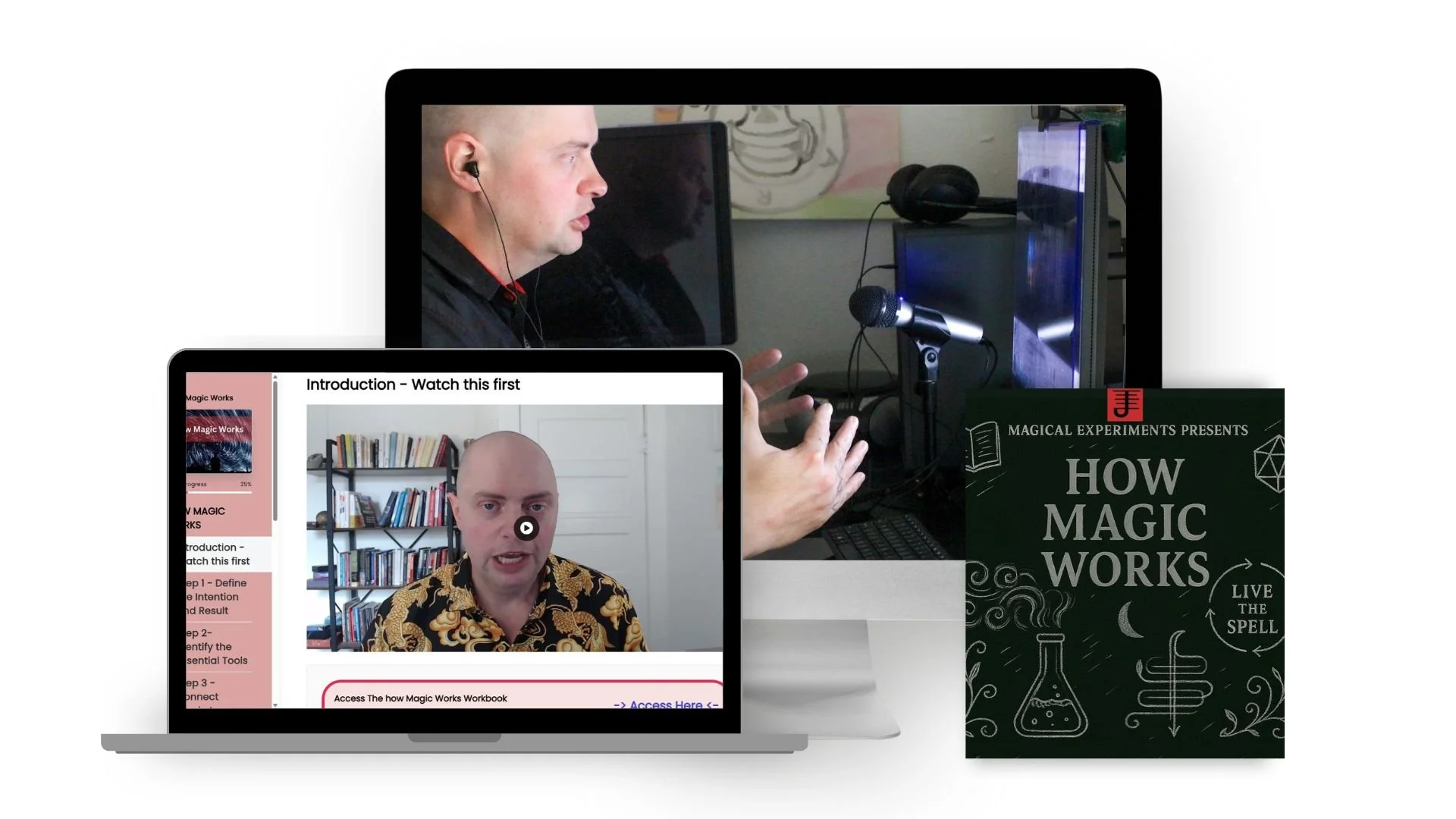
Magic spells are intentional actions, rituals, or symbolic gestures designed to produce a specific change in the practitioner or their environment. While popular media often portrays spells as instant, supernatural fixes, real-world practice involves focused intention, symbolic action, and practical effort to influence outcomes incrementally.
How Do Magic Spells Work?
There is no single, universally accepted explanation for how magic spells function. Practitioners and researchers propose several models to understand the mechanisms behind magical practice. These models are not mutually exclusive, and many individuals combine them to suit their needs. The spirit or energy model suggests that spells interact with unseen forces, spirits, or energetic currents to bring about change. This perspective is common in many traditional and contemporary magical systems, where practitioners work with specific entities or natural energies to achieve their goals. The psychological and symbolic-action model posits that spells work by altering the practitioner's mindset, focus, and subconscious beliefs. By engaging in ritualized behavior, individuals can shift their perception and behavior, making them more likely to achieve their goals. For a deeper exploration of these concepts, consider how magic works in practice.
Social or behavioral effects also play a role. Spells can influence how a person interacts with others, projecting confidence or setting boundaries that alter social dynamics. Scientific research on ritual indicates that ritualized action can reduce anxiety and improve focus, although it does not prove supernatural causation. A 2022 preregistered study found that ritualized action reduced anxiety, highlighting the psychological benefits of structured practice. This suggests that the act of performing a spell can have measurable effects on the practitioner's mental state, regardless of any external supernatural forces. Understanding what magic is within different contexts helps clarify these distinctions and allows practitioners to choose the model that best aligns with their worldview.
Another perspective is the mixed model, which combines elements of the spirit, psychological, and social models. Practitioners using a mixed model might believe that a spell works by simultaneously altering their subconscious mind, influencing their behavior, and interacting with subtle energies. This approach acknowledges the complexity of magical practice and the multiple ways in which it can affect the practitioner and their environment. By exploring different models, individuals can develop a more nuanced understanding of their practice and find the approach that yields the best results for them.
Categories of Magic Spells
Categorizing spells by their intended purpose is more practical than relying on a simplistic white or black binary. Different types of spells address various aspects of life and personal development. This categorization helps practitioners focus their intentions and select the appropriate methods for their goals.
Category Purpose Common Applications Protection To guard against harm or negative influences. Warding a home, creating personal boundaries, shielding against emotional drain. Cleansing To remove stagnant or unwanted energy. Purifying a space, clearing mental clutter, preparing for new endeavors. Attraction To draw desired outcomes or opportunities. Seeking employment, inviting new relationships, attracting creative inspiration. Healing Support To complement physical or emotional recovery. Promoting rest, easing emotional distress, supporting medical treatments. Prosperity To encourage financial stability or abundance. Attracting resources, improving financial habits, fostering a mindset of abundance. Divination To gain insight or clarity on a situation. Seeking guidance, exploring potential outcomes, understanding hidden influences. Binding To restrict harmful actions or behaviors. Stopping gossip, preventing self-sabotage, limiting the impact of toxic individuals. Banishing To remove unwanted influences or entities. Ending toxic relationships, clearing persistent negativity, breaking bad habits. Devotional To honor or connect with a deity or spirit. Making offerings, expressing gratitude, building a relationship with the divine. Transformative To facilitate personal growth or change. Overcoming fears, developing new skills, shifting limiting beliefs.
Note that ethical frameworks, such as the Wiccan Rede and the Threefold Law, belong to Wiccan or Wiccan-influenced traditions and do not govern all magical practices. Practitioners must determine their own ethical guidelines based on their tradition and personal values. Some traditions emphasize the importance of balance and reciprocity, while others focus on personal agency and responsibility. Understanding the ethical context of a practice is essential for ensuring that it aligns with the practitioner's moral compass.
The Role of Mundane Action
A common misconception is that a spell alone is sufficient to achieve a goal. In reality, magical work must be supported by practical, real-world effort. A prosperity spell, for example, is unlikely to succeed without accompanying actions such as applying for jobs, budgeting, or seeking financial advice. Integrating mundane actions into magical practice ensures that the practitioner is actively working toward their objective on multiple levels.
Spells are most effective when they align with the practitioner's actions and environment. This alignment creates a cohesive approach, increasing the likelihood of success. Relying solely on magical intervention without practical effort often leads to disappointment and reinforces the misconception that magic is ineffective. For instance, a spell designed to attract a new relationship will be more successful if the practitioner also takes steps to meet new people and engage in social activities. The magical work sets the intention and creates opportunities, while the mundane actions capitalize on those opportunities.
Furthermore, mundane actions can serve as a form of magical practice in themselves. When performed with intention and focus, everyday tasks can become rituals that reinforce the practitioner's goals. Cleaning a house can be a form of energetic cleansing, while cooking a meal can be an act of nurturing and prosperity. By blurring the lines between the magical and the mundane, practitioners can integrate their practice more fully into their daily lives.
Common Reasons for Spell Failure
Understanding why spells fail is crucial for refining practice and achieving better results. Several factors can contribute to a lack of success, and addressing these issues can improve future outcomes. By analyzing failed spells, practitioners can identify areas for improvement and develop more effective techniques.
Unclear targets are a frequent cause of failure. If the intention behind a spell is vague or ambiguous, the results are likely to be similarly unfocused. Specificity is essential for directing energy and intention effectively. Instead of casting a spell for "happiness," a practitioner might focus on a specific goal, such as finding a fulfilling hobby or improving a particular relationship. Impossible or contradictory aims also hinder success. A spell designed to achieve an unrealistic outcome or one that conflicts with another goal will struggle to manifest. For more insight, explore failure and success in magical practice.
Poor timing or measurement can also affect results. Some practitioners align their work with lunar phases, planetary hours, or seasonal changes to enhance effectiveness. While these correspondences are not universal laws, they can provide a useful framework for structuring practice. Additionally, failing to establish criteria for success makes it difficult to evaluate the outcome. Without clear metrics, it is impossible to determine whether a spell has achieved its intended goal. Changing too many variables at once complicates the process, making it impossible to determine which elements contributed to the result. When experimenting with new techniques, it is best to change one variable at a time to isolate its effects. Finally, retrofitting every event as a success, regardless of the actual outcome, prevents honest assessment and growth. Learning how to troubleshoot your practice is a valuable skill that allows for continuous improvement.
Experimentation and Adaptation
Magical practice is inherently experimental. What works for one practitioner may not work for another, and adapting techniques to suit individual needs is a core aspect of development. The process of experimenting involves testing different methods, observing the results, and refining the approach based on those observations. This iterative process allows practitioners to build a personalized system that is both effective and meaningful.
This experimental mindset encourages flexibility and continuous learning. It allows practitioners to discover what resonates with them and to discard practices that are ineffective. By maintaining a record of their work, individuals can track their progress, identify patterns, and make informed adjustments to their practice. A magical journal or Book of Shadows is an invaluable tool for this purpose, providing a space to document intentions, methods, and outcomes.
Experimentation also involves exploring different traditions and techniques. While it is important to respect the cultural context of these practices, incorporating diverse elements can enrich a practitioner's understanding and expand their repertoire. By remaining open to new ideas and approaches, individuals can continue to grow and evolve in their practice.
Where to Start and Common Mistakes
For those new to magical practice, starting with simple, focused spells is recommended. Begin by clearly defining the intention and selecting appropriate symbolic actions or materials. Avoid the temptation to overcomplicate the process or to attempt advanced techniques without a solid foundation. Embracing minimal magic can be an effective way to build confidence and understanding. Minimal magic focuses on the core elements of intention and action, stripping away unnecessary complexity and allowing the practitioner to focus on the essentials.
A common mistake is expecting immediate, dramatic results. Real-world magic often manifests incrementally, requiring patience and persistence. The effects of a spell may not be immediately apparent, and it may take time for the desired outcome to fully materialize. Another frequent error is neglecting the practical steps necessary to support the magical work. Always ensure that mundane actions align with the intended outcome. A spell is a catalyst, not a substitute for effort.
Finally, avoid the trap of assuming that magic must follow a rigid, prescriptive formula. While traditional frameworks can be helpful, they are not absolute rules. Recognizing why magic isn't meant to be prescriptive allows for greater creativity and personalization in practice. By remaining open to experimentation and adapting techniques to suit individual needs, practitioners can develop a more effective and meaningful approach to magic spells. The most successful magical practice is one that is authentic to the individual and responsive to their unique circumstances.
Another common pitfall is the failure to ground and center before and after magical work. Grounding helps to stabilize the practitioner's energy and focus their intention, while centering ensures that they are operating from a place of balance and clarity. Neglecting these foundational practices can lead to scattered energy and diminished results. Additionally, practitioners should be mindful of their physical and emotional state when performing spells. Attempting magical work when exhausted, stressed, or emotionally volatile can negatively impact the outcome. It is often better to wait until a state of calm and focus can be achieved.
Magic spells are a multifaceted practice that requires intention, action, and a willingness to experiment. By understanding the various models of how magic works, categorizing spells by their purpose, and integrating mundane actions, practitioners can develop a more effective and grounded approach. Recognizing common reasons for failure and embracing an experimental mindset allows for continuous growth and refinement. Ultimately, the success of a magical practice depends on the practitioner's dedication, self-awareness, and willingness to adapt to their unique circumstances.
If you want to go further with this, learn our 7 step process for creating magical spells that consistently work, so you can create results that transform your life.