Glamour magic is the practice of influencing presentation, attention, self-perception, and social perception through ritualized aesthetics and behavior. It is not physical shapeshifting or reliable mind control. Practitioners use clothing, makeup, scent, posture, and visualization to shift how they are perceived by others and themselves.
The term has a specific historical context. According to Merriam-Webster, the word traces back to the Scots term "glamer" or "glamour," which meant a magic spell. This original meaning derived from an association between grammar, learning, and occult knowledge. Over time, the meaning shifted from a literal spell cast over someone's eyes to the modern concept of alluring charm or fascination. Understanding this history helps practitioners recognize that glamour is fundamentally about altering perception rather than changing physical reality.
Modern applications of this practice focus on the intersection of psychology, sociology, and occult techniques. By deliberately choosing how to present oneself, a practitioner can influence the social dynamics of a given situation. This is not about deception in a malicious sense, but rather about highlighting specific aspects of the self to achieve a desired outcome. Whether the goal is to appear more authoritative in a meeting, more approachable at a social event, or simply to feel more confident, glamour magic provides a framework for intentional self-presentation.
Note that this practice does not replace mundane action. A glamour designed to project competence will fail if the practitioner lacks the necessary skills or knowledge. The magic works in tandem with practical effort, amplifying the effects of preparation and hard work. It is a tool for enhancing what is already there, not a substitute for substance.
How do practitioners use ritual media in glamour magic?
Practitioners utilize a variety of ritual media to construct and maintain a glamour. These media are the physical and psychological tools used to anchor the intention and project the desired image. Clothing is perhaps the most obvious medium. The cut, color, and fabric of a garment can communicate a wealth of information about the wearer's status, personality, and intentions. A practitioner might choose a specific outfit not just for its aesthetic appeal, but for the psychological effect it has on themselves and the people they interact with.
Makeup and cosmetics are also frequently employed. The application of makeup can be treated as a ritual act, with each step serving to reinforce the practitioner's intention. For example, applying red lipstick might be accompanied by an affirmation of power and confidence. The physical act of altering one's appearance becomes a focal point for the magical working. Scent is another powerful medium. The olfactory sense is closely linked to memory and emotion. By choosing a specific perfume or essential oil blend, a practitioner can evoke specific feelings in themselves and others, creating a subtle but pervasive atmosphere that supports their goal.
Beyond physical adornment, posture and body language are critical components of glamour magic. How a person holds themselves, how they move, and how they occupy space all contribute to the overall impression they make. A practitioner might consciously adjust their posture to appear more expansive and dominant, or they might adopt a more relaxed and open stance to encourage approachability. These physical adjustments are often supported by internal visualization. The practitioner might visualize themselves surrounded by an aura of light, or they might imagine themselves embodying the qualities they wish to project. This combination of physical action and mental focus is central to the practice.
Affirmations are frequently used to reinforce the psychological aspect of the glamour. By repeating specific phrases, the practitioner seeks to internalize the desired qualities, making them a natural part of their presentation. This internal work is essential because a glamour that is purely external will often appear forced or inauthentic. The practitioner must genuinely feel the qualities they are trying to project for the magic to be truly effective.
What are common correspondences in glamour magic?
Correspondences are symbolic associations used to align ritual actions with specific intentions. In glamour magic, practitioners often use correspondences related to beauty, attraction, and influence. However, it is crucial to understand that these are tradition-dependent choices, not universal laws. What works in one cultural or magical context may not hold the same meaning in another.
Common botanical correspondences include roses and lavender. Roses are frequently associated with love, beauty, and attraction. Lavender is often used for calming, purification, and promoting a peaceful aura. Crystals such as rose quartz or amethyst are also popular choices. These items can be incorporated into baths, oils, or carried as talismans. The effectiveness of these items depends on the practitioner's ability to focus their intention and attention through them.
How to use the aesthetics of magic as a potent tool
To use the aesthetics of magic as a potent tool, a practitioner must first define their goal clearly. Vague intentions lead to mixed signals and ineffective results. If the goal is to command attention in a professional setting, the aesthetics should reflect authority, competence, and reliability. This might involve structured clothing, minimal but precise makeup, and a clear, steady speaking voice.
Once the goal is defined, the practitioner selects the appropriate ritual media. This selection should be deliberate and meaningful. Every element of the presentation, from the color of a shirt to the scent of a perfume, should support the central intention. This creates a unified front that is easier for others to read and respond to.
The application of these elements should be treated as a ritual. This means performing the actions with focus and intent. Instead of simply putting on a jacket, the practitioner might visualize the jacket as a mantle of authority. Instead of just applying perfume, they might focus on the scent as a projection of confidence. This mindful approach transforms ordinary grooming into a magical act.
It is also necessary to consider the environment and the audience. Aesthetics that work well in a creative industry might be inappropriate or ineffective in a conservative corporate setting. The practitioner must adapt their presentation to the context while maintaining their core intention. This requires social awareness and flexibility.
The role of consistency in maintaining a glamour
Consistency is a fundamental requirement for maintaining any form of glamour magic over an extended period. A single ritual or a momentary shift in presentation is rarely sufficient to create a lasting change in how one is perceived. The practitioner must integrate the chosen aesthetics and behaviors into their daily routine. This means that the posture, the speech patterns, and the visual cues must become habitual rather than forced. When a glamour is inconsistent, observers often detect a sense of incongruity or inauthenticity, even if they cannot articulate exactly what feels wrong. This incongruity breaks the intended perception and can lead to a loss of trust or credibility.
To build consistency, practitioners often use anchor objects. An anchor object is a physical item, such as a piece of jewelry, a specific scent, or a particular garment, that has been ritually charged with the intention of the glamour. Whenever the practitioner wears or interacts with the anchor object, it serves as a tactile and psychological reminder to maintain the desired state. This technique helps to bridge the gap between the initial ritual and the ongoing mundane application. Over time, the association between the object and the intended state becomes stronger, supporting what can be understood as the alchemy of confidence and making the desired presentation easier to sustain.
Another method for maintaining consistency is regular self-assessment. Practitioners must periodically evaluate whether their presentation still aligns with their goals. This involves honest reflection on how others are responding to them and whether the glamour is producing the desired effects. If the results are not as expected, the practitioner must be willing to adjust their approach. This might involve changing the ritual media, refining the intention, or addressing any internal psychological barriers that are interfering with the projection of the glamour.
It is also important to recognize that maintaining a glamour requires energy. Constantly monitoring one's presentation and behavior can be exhausting, especially if the projected persona is significantly different from the practitioner's baseline state. Practitioners must schedule time to drop the glamour and rest. This might involve spending time alone, wearing comfortable clothing, and allowing themselves to relax completely. Without adequate rest, the practitioner may experience burnout, which will inevitably cause the glamour to slip. Effective practice involves knowing when to apply the influence and when to release it.
Adapting glamour magic to different environments
A successful practitioner understands that glamour magic is highly contextual. What works in one environment may be entirely ineffective or even counterproductive in another. The ability to adapt the presentation to suit the specific social dynamics of a given situation is a critical skill. This requires a high degree of social intelligence and observational capability. Before entering a new environment, the practitioner should assess the expected norms, the power structures, and the general atmosphere.
For example, a glamour designed to project authority in a corporate boardroom will rely on different cues than a glamour designed to project authority in a creative workshop. In the boardroom, the cues might include formal attire, a measured speaking pace, and controlled body language. In the workshop, the cues might involve more relaxed clothing, dynamic gestures, and a collaborative speaking style. The underlying intention (authority) remains the same, but the ritual media (the aesthetics and behavior) must be translated into the appropriate cultural language.
Safety and practical considerations
Safety is a primary concern when working with physical materials. Skin-use cautions apply to herbs, oils, and cosmetics. Essential oils must always be properly diluted in a carrier oil before being applied to the skin. Some herbs and oils can cause allergic reactions or photosensitivity. It is essential to research any ingredient before using it in a bath, oil blend, or cosmetic preparation. Patch testing is a necessary step to prevent adverse reactions.
Common models of glamour magic
Understanding the different models of how glamour magic operates can help practitioners refine their techniques. The table below outlines the three most common models.
Model TypeCore MechanismPractical Application
Spiritual / Energetic Manipulation of subtle energies or assistance from spirits to alter the aura or perception. Charging objects, invoking deities, visualizing energy fields. Psychological Internal shifts in confidence and self-perception that naturally alter body language and social cues. Affirmations, posture correction, cognitive reframing. Mixed / Integrated A combination of energetic focus and psychological reinforcement working simultaneously. Using ritual actions to trigger specific psychological states and behavioral changes.
Where to start and common mistakes
For those new to the practice, the best place to start is with observation. Notice how different clothing, colors, and postures affect your own mood and how others react to you. Begin with small, deliberate changes. Choose one specific intention, such as appearing more approachable, and select one or two aesthetic elements to support that intention. Practice this consistently before attempting more complex workings.
A common mistake is neglecting the mundane aspects of presentation. As mentioned earlier, magic does not replace basic hygiene or appropriate social behavior. Another frequent error is attempting to project an image that is entirely disconnected from the practitioner's actual personality or skills. Glamour magic is most effective when it highlights and enhances existing traits rather than trying to fabricate an entirely false persona.
Inconsistency is also a major cause of failure. If a practitioner performs a ritual to appear confident but then immediately adopts defensive body language and avoids eye contact, the conflicting signals will undermine the working. The internal state and the external presentation must remain aligned. This requires ongoing mindfulness and self-correction throughout the day.
Finally, practitioners often fail by expecting immediate, dramatic transformations. Glamour magic usually produces subtle shifts in perception and interaction. It is a practice of incremental influence. By tracking results and adjusting techniques over time, a practitioner can develop a more effective and reliable approach to glamour magic.
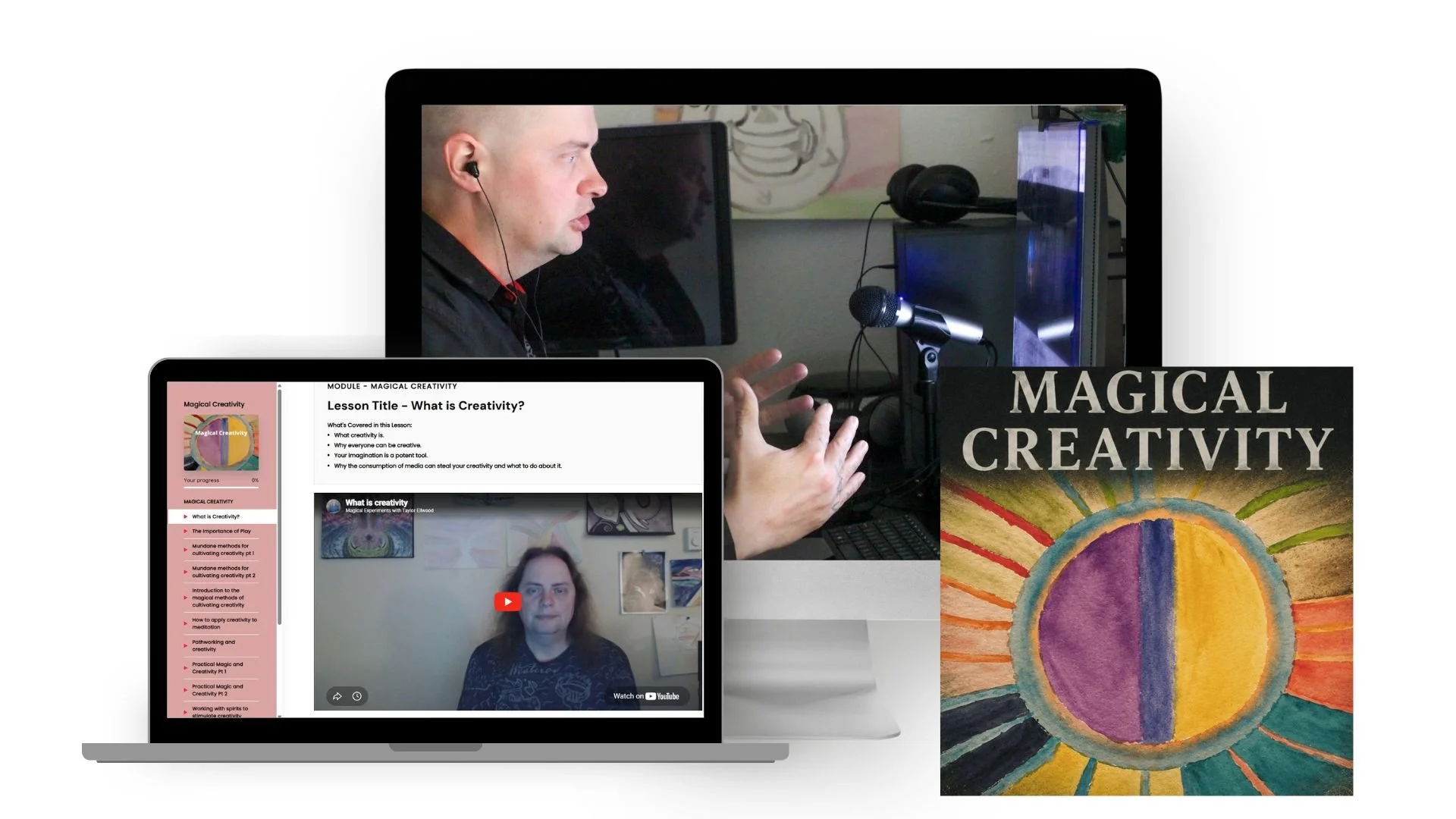
If you want to go further with this, Magical Creativity explores how to apply creativity and imagination as magical tools that can help you craft glamours.