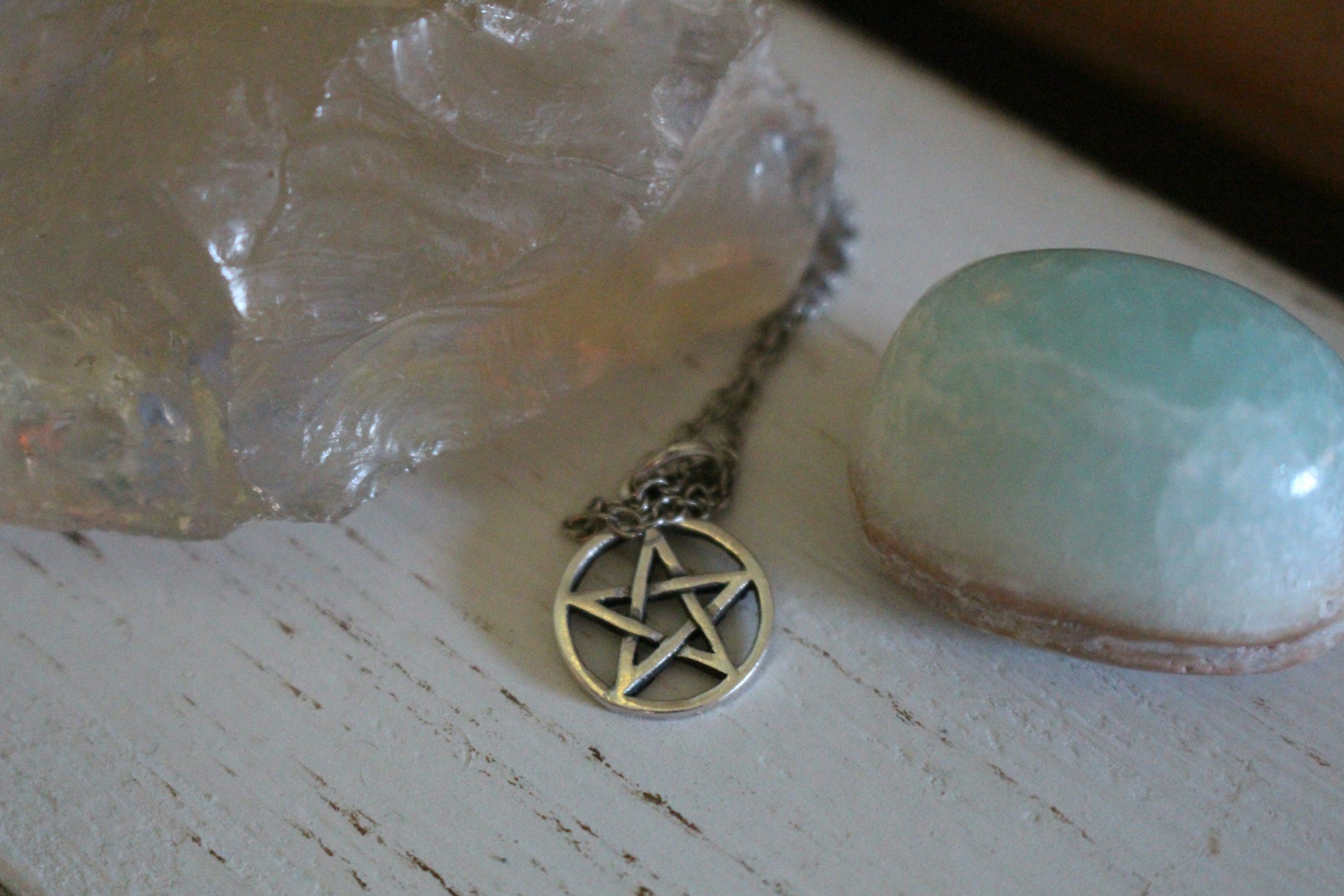
Protection symbols are visual marks, objects, or inscriptions used to establish boundaries, ward off harm, and create a sense of safety. They do not possess universal or inherent power; rather, their meaning and efficacy derive from cultural context, religious tradition, material composition, and the practitioner's relationship to them.
Understanding the Function of Protection Symbols
A symbol is activated through specific practices such as blessing, consecration, or intentional placement. It is crucial to understand that a protection symbol does not replace practical safety measures like locks, smoke alarms, medical care, legal protection, or situational awareness. The effectiveness of a protection symbol depends on the framework in which it is used. In many traditions, symbols serve as focal points for intention, directing energy or attention toward maintaining a boundary. They can act as psychological anchors, reducing anxiety and reinforcing a sense of security. In other models, symbols are believed to interact with spiritual forces, either by invoking protective entities or by repelling harmful influences. Practitioners often review their protection magic regularly to ensure that the symbols and methods they employ remain aligned with their current needs and circumstances.
The material on which a symbol is inscribed can also influence its function. Metals, woods, stones, and paper each carry different associations and properties in various magical systems. The act of creating or inscribing the symbol is often considered a ritual in itself, requiring focus and specific timing. For example, exploring sigils reveals that the process of designing and charging a unique mark is central to its intended effect. When incorporating symbols from specific traditions, it is necessary to understand their historical and cultural background. For instance, rune magic involves letters from historical Germanic alphabets, and their magical use depends heavily on inscriptional context rather than treating them as free-floating logos.
Cross-Cultural Examples of Protection Symbols
Protection symbols appear in numerous cultures throughout history, each with specific meanings and applications. It is important to respect these contexts and avoid treating symbols as interchangeable or universally applicable. The ancient Egyptian wedjat eye is linked to Horus's restored eye, regeneration, and general protection. The Akan Adinkra symbol Eban literally means a fence and is associated with safety or security, while noting that there is no single generic African symbol system. The hamsa in Jewish and Muslim cultural contexts is often associated with blessing and protection, with names and meanings varying. The nazar eye amulet is used against the evil eye in parts of the Mediterranean, West Asia, and adjacent regions. Thor's hammer pendants are well-attested Viking Age amulets, without turning later Icelandic staves into Viking symbols. The Saint Benedict Medal is a Catholic sacramental containing Christian images and Latin prayer initials, not a generic occult sigil. Tibetan Buddhist gau boxes are consecrated containers for images, mantras, dharanis, relics, or other sacred contents. European apotropaic marks are found at perceived entry points such as doors, windows, and fireplaces. If mentioning Vegvisir or Aegishjalmur, identify them as later Icelandic magical staves, not securely Viking Age symbols.
Symbol Cultural Context Meaning and Application Wedjat Eye Ancient Egyptian Linked to Horus's restored eye; associated with regeneration, healing, and general protection. Eban Akan (West Africa) An Adinkra symbol representing a fence; associated with safety, security, and love. Note that there is no single generic African symbol system. Hamsa Jewish and Muslim A hand-shaped amulet often associated with blessing, power, and protection against the evil eye. Names and specific meanings vary by region. Nazar Mediterranean and West Asia An eye-shaped amulet specifically used to ward off the evil eye and harmful attention. Thor's Hammer (Mjölnir) Viking Age Norse Well-attested pendants used for protection and blessing. Note that later Icelandic staves (like Vegvisir) are not securely Viking Age symbols. Saint Benedict Medal Catholic A sacramental containing Christian images and Latin prayer initials; used for spiritual protection, not a generic occult sigil. Gau Box Tibetan Buddhist Consecrated containers for images, mantras, dharanis, or relics; worn or placed for protection and blessing. Apotropaic Marks European Marks carved at perceived entry points (doors, windows, fireplaces) to protect a building from harmful influences.
Integrating Symbols into a Protective Practice
Using a protection symbol involves more than simply drawing it or wearing it. The symbol must be integrated into a broader system of boundaries and maintenance. This often includes physical cleaning, energetic clearing, and the establishment of clear intentions. Symbols can be placed at thresholds, such as doors and windows, to guard entry points. They can be worn as jewelry or carried in pockets or bags. They can also be incorporated into larger protective structures, such as wards. Understanding how to take apart wards is just as important as knowing how to build them, as protective structures may need to be dismantled or updated over time.
Protection symbols are often employed to address specific concerns, such as the evil eye, harmful spirits, or directed negative intentions. The evil eye is a culturally varied belief regarding the harm caused by envy or malicious attention. Symbols like the nazar or the hamsa are specifically designed to deflect this type of influence. When considering how to protect against curses, symbols may be used as part of a comprehensive strategy that includes cleansing, grounding, and establishing strong personal boundaries. It is important to maintain a grounded perspective when dealing with perceived threats. Not every misfortune is the result of a curse or a hostile spirit. Thoughts on magical protection often emphasize the need to rule out mundane causes for problems before assuming a magical origin. A balanced approach combines practical problem-solving with spiritual or magical practices.
Materials and Their Significance
Metals, for instance, have long been associated with specific planetary influences and protective qualities. Iron is frequently cited in European folklore as a deterrent to harmful spirits and malicious magic. Silver is often connected to lunar energies, purification, and the deflection of negative influences. Gold, associated with solar power, is sometimes used for symbols intended to bring blessing and vitality alongside protection. Copper, linked to Venus, might be chosen for symbols aimed at protecting relationships or emotional well-being.
Wood is another common material for inscribing or carving symbols. Different tree species carry various traditional associations. Oak is widely regarded as a wood of strength, endurance, and solid boundaries. Rowan has a long history in Northern European practices as a protective wood, often used to guard against enchantment. Ash and birch also feature prominently in different regional traditions. When selecting wood for a symbol, practitioners often consider the source of the wood, preferring branches that have fallen naturally or harvesting with respect for the living tree.
Stones and crystals are frequently used as the base for protection symbols. Black stones, such as obsidian, tourmaline, or onyx, are commonly associated with absorbing or grounding negative energy. Clear quartz is often used for amplification and clarity of intention. The symbol might be painted, engraved, or visualized upon the stone. The combination of the stone's inherent properties and the specific meaning of the symbol is thought to create a synergistic effect. Paper and parchment, while less durable, offer flexibility and ease of use. Symbols drawn on paper can be easily carried, hidden, or eventually destroyed as part of a ritual process. The type of ink used, such as iron gall ink or ink infused with specific herbs, can also add another layer of meaning to the practice.
Placement and Spatial Boundaries
Doors and windows are primary locations for protective marks. Apotropaic marks, such as concentric circles or intertwined lines, were historically carved into the wooden frames of doors and windows in many European homes to prevent the ingress of harmful forces. Similarly, symbols might be drawn or placed under doormats, above lintels, or on the glass itself.
Fireplaces and chimneys were also considered vulnerable entry points in historical contexts, leading to the placement of protective symbols on hearthstones or within the chimney structure. In modern settings, this concept extends to other points of entry, including digital spaces. Some practitioners adapt traditional concepts of boundary protection to their digital devices, using specific images as wallpapers or visualizing protective symbols around their electronic communications.
Personal space is another key area for the placement of protection symbols. Amulets and talismans worn on the body serve as mobile boundaries. Jewelry featuring symbols like the hamsa, the nazar, or specific runes can provide a continuous sense of security. The placement on the body can also be intentional; a pendant rests near the heart, while a ring is visible on the hand that interacts with the world. Symbols can also be carried in pockets, wallets, or bags, extending the protective field to the individual's immediate belongings. The act of putting on the jewelry or placing the item in a pocket can become a daily ritual of reinforcing personal boundaries.
Maintenance and Energetic Upkeep
A protection symbol is not a static object that functions indefinitely without attention. Like any boundary, it requires maintenance to remain effective. Over time, symbols may accumulate energetic residue or simply lose their focal power as the practitioner's attention wanes. Regular cleansing is a fundamental aspect of maintaining protection symbols. This can involve physical cleaning, such as polishing metal or dusting objects, which serves as a mundane reflection of energetic clearing. Other methods include passing the object through the smoke of specific herbs, washing it in salt water if the material permits, or placing it under the light of the sun or moon.
Recharging or reconsecrating the symbol is also necessary. This process renews the intention behind the symbol and reaffirms its purpose. It might involve a formal ritual, a simple spoken blessing, or a period of focused meditation while holding the object. The frequency of this maintenance depends on the practitioner's tradition, the specific symbol, and the level of perceived threat. A symbol used in a highly stressful environment might require more frequent clearing than one placed in a generally peaceful home.
It is also important to recognize when a symbol has served its purpose or is no longer needed. Protective structures, including the symbols that anchor them, should not be left in place indefinitely if the situation has resolved. Stagnant protective energy can become restrictive. Knowing when to dismantle a ward or retire a symbol is a crucial skill. This might involve burying the object, burning paper symbols, or simply cleansing the item and storing it away with gratitude for its service. This process of intentional dismantling ensures that the practitioner's energetic space remains dynamic and responsive to current realities.
Historical Context and Cultural Respect
The study of protection symbols reveals a vast and complex history of human attempts to handle danger and uncertainty. Every culture has developed its own vocabulary of protective marks and objects. It is essential to approach these symbols with respect for their origins and the communities that created them. Appropriating symbols from closed cultures or marginalized groups without understanding their deep significance can be harmful and disrespectful. When exploring symbols outside of one's own cultural background, thorough research is necessary.
Understanding the historical context of a symbol also prevents the spread of misinformation. For example, many symbols popularized in modern occultism have complex histories that are often oversimplified. The pentagram, while widely recognized today as a symbol of protection in Wicca and other neopagan traditions, has a long history of use in various contexts, including ancient Mesopotamia, Pythagorean philosophy, and Christian mysticism. Recognizing this multifaceted history enriches the understanding of the symbol and prevents dogmatic claims about its true or original meaning.
Where to Start and Common Mistakes
When beginning to work with protection symbols, start with a clear understanding of your needs and the context of the symbols you choose. Research the history and cultural significance of any symbol before using it. Consider how the symbol aligns with your own beliefs and practices. Magical symbols require intentional engagement to be effective. Begin with simple, culturally appropriate symbols or create personal sigils that hold specific meaning for your situation.
Common mistakes include:
Relying solely on a symbol without taking practical safety precautions, such as locking doors or seeking medical advice.
Using symbols from closed or unfamiliar cultures without understanding their context, meaning, or the respect required.
Assuming that a symbol is universally powerful or effective for all purposes, regardless of its origin or intended use.
Failing to cleanse, consecrate, or regularly maintain the symbol, allowing it to become energetically stagnant.
Using a symbol out of fear or paranoia rather than a grounded sense of boundary-setting and personal agency.
Ignoring mundane causes for problems, such as carbon monoxide leaks or structural issues, and attributing them solely to magical attacks.
Believing that a single symbol can replace the need for comprehensive boundary work, including emotional and psychological boundaries.
If you want to go further with this, my class combat and protection magic can walk you through how to apply protection magic to yourself and your home.