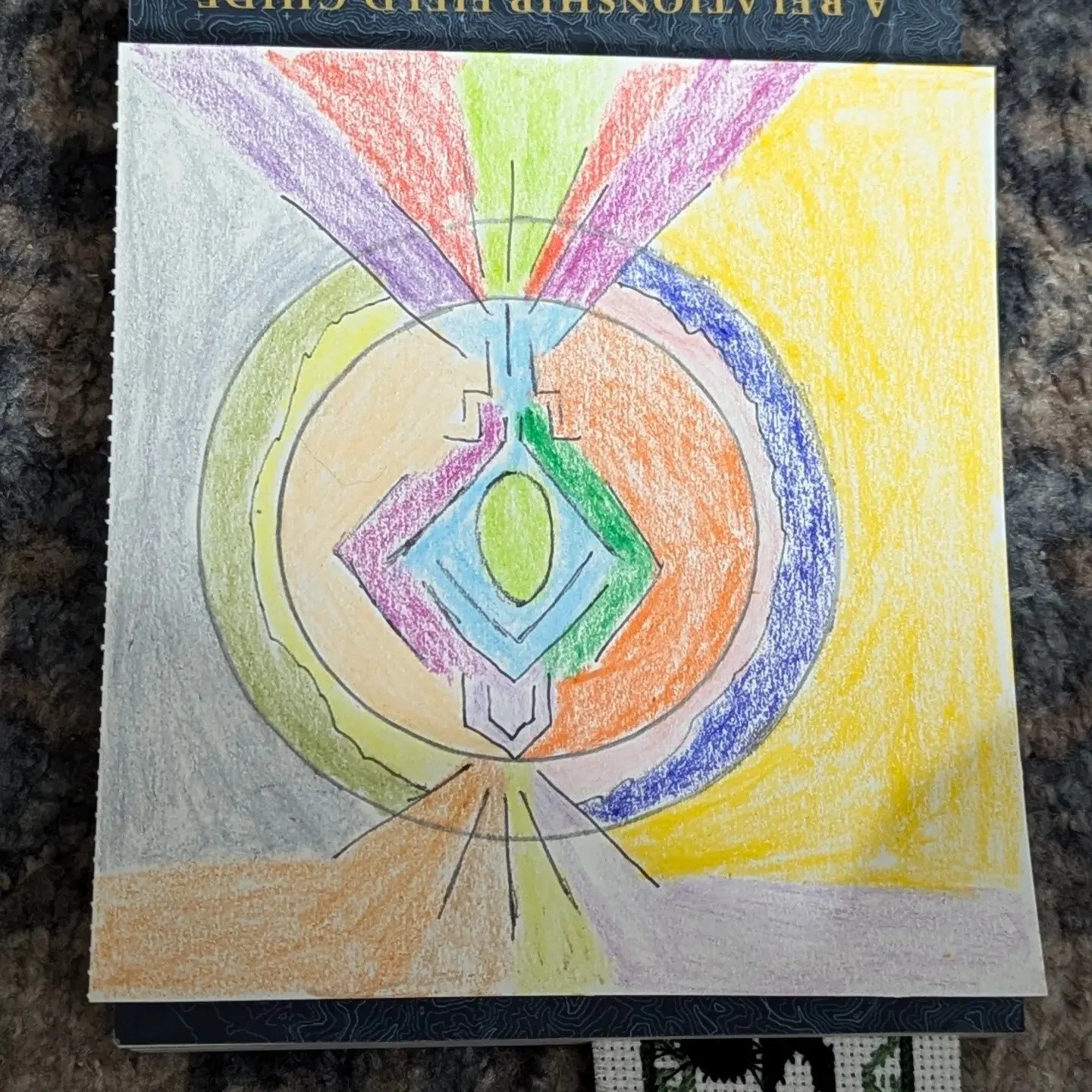
A protection sigil is a symbolic representation of a desired outcome, specifically designed to shield a mind, home, or environment from negativity. It acts as a container and interface for an intention, bypassing conscious doubt to reinforce a sense of safety and establish clear boundaries.
The term derives from the Latin word sigillum, meaning seal. Historically, sigils were pictorial signatures of spirits, such as those found in historical grimoires. The modern practice of creating personalized sigils from intention statements was pioneered by Austin Osman Spare in the early twentieth century and became a cornerstone of chaos magic. It is important not to conflate ancient protective symbols with modern sigil construction techniques. Modern sigils are highly individualized constructs rather than universal symbols passed down through tradition.
Understanding the distinction between traditional symbols and modern sigils is crucial for effective practice. Traditional symbols often carry centuries of collective association and cultural weight. In contrast, a modern protection sigil is a bespoke tool, crafted for a specific situation and a specific practitioner. This individualization is what gives the modern sigil its psychological potency. The practitioner is not relying on external authority but on their own focused intention.
The effectiveness of a protection sigil relies heavily on the clarity of the initial intention. Vague or fear-based intentions often lead to unpredictable or ineffective results. The process requires a disciplined approach to language and thought, ensuring that the desired outcome is stated positively and precisely. This linguistic precision forms the foundation upon which the entire magical operation rests.
What Does a Protection Sigil Look Like?
A protection sigil is a symbolic representation of a desired outcome, acting as a container and interface for intention. Typically, it takes the form of an abstract, geometric monogram or glyph. The visual characteristics are intentionally obscure. The psychological interpretation suggests that the abstract shape allows the subconscious mind to process it without interference from conscious overthinking.
When observing a completed protection sigil, one should not be able to immediately discern the original statement of intent. The letters or symbols used in its construction are combined, stylized, and abstracted to the point where they form a cohesive, unified image. This abstraction is a deliberate technique designed to bypass the critical faculties of the conscious mind. If the conscious mind can easily read the intention, it may introduce doubt or anxiety, which can interfere with the working.
The aesthetic quality of the sigil is secondary to its function. A hastily drawn, asymmetrical sigil can be just as effective as a perfectly drafted, symmetrical one, provided the intention and focus during its creation were strong. Practitioners should not become overly concerned with artistic perfection. The goal is to create a symbol that resonates with the creator's subconscious, not to produce a work of fine art.
The idea that a sigil can inherently protect without active engagement or belief is contested. Relying solely on a protection sigil for physical safety is dangerous and medically misleading. They are psychological or spiritual tools, not substitutes for physical security measures. A protection sigil will not lock a door or extinguish a fire. It is designed to influence probability, perception, and psychological resilience, complementing mundane safety practices rather than replacing them.
How to Create a Protection Sigil
Modern practitioners often use the letter-merging method. This involves setting a clear, present-tense intention, such as "The practitioner is safe and secure in their home". The practitioner then removes vowels and repeating letters, combining the remaining consonants into a stylized symbol. The construction process and setting the intention are more important than aesthetic perfection.
The first step in creating a protection sigil is formulating the statement of intent. This statement must be precise, positive, and framed in the present tense. Avoid using negative phrasing, such as "The practitioner will not be harmed", as the subconscious mind often focuses on the concept of harm rather than the negation. Instead, use affirmative phrasing, such as "The practitioner is protected from all harm". The clarity of this statement directly impacts the effectiveness of the resulting sigil.
Once the statement is finalized, the process of reduction begins. By removing vowels and duplicate consonants, the practitioner is left with a core set of letters. These letters are then manipulated, rotated, and combined to form a single, cohesive glyph. This process of manipulation is a form of focused meditation, allowing the practitioner to embed their intention into the emerging symbol.
The focus should be on the act of creation rather than the final artistic quality. The symbol must be unique to the practitioner and the specific intention. This personalization is what distinguishes a modern sigil from a universal symbol. The act of drawing, erasing, and redrawing the lines helps to solidify the intention in the practitioner's mind, making the creation process an integral part of the magical operation.
Some practitioners choose to incorporate additional symbolic elements into their sigils, such as planetary symbols or elemental associations. While this can add layers of meaning, it is not strictly necessary. The core mechanism of the sigil relies on the abstraction of the original statement of intent. Adding too many external symbols can clutter the design and dilute the primary focus.
Best Protection Sigil Placements
The logic of placement dictates that the sigil should be near the area needing protection. Placement defines how the symbol interacts with the environment and consciousness. Strategic placement ensures that the sigil's influence is directed precisely where it is required.
Bedrooms and Doors: Placing a protection sigil for above doors establishes a boundary at entry points. This acts as a filter, allowing positive energy to enter while repelling negativity. Tucking a protection sigil for bedroom under pillows secures personal space and rest, promoting peaceful sleep and warding off intrusive thoughts or energetic disturbances during the vulnerable state of slumber.
Cars and Transportation: A protection sigil for car can be hung from the rearview mirror or kept in the glovebox to create a mobile protective field. This is particularly useful for those who travel frequently or experience anxiety while driving. The sigil serves as a constant reminder of safety and focus, helping to maintain a calm and alert state of mind while on the road.
Book of Shadows and Candles: A protection sigil for book of shadows can be placed on the inside cover to ward against tampering and protect the sensitive information contained within. Inscribing a protection sigil for candle integrates the intention with the element of fire. As the candle burns, the sigil is slowly consumed, releasing the protective intention into the surrounding environment.
Body: A protection sigil for body can be applied with makeup or invisibly with oils near the area needing protection. This method is highly personal and allows the practitioner to carry the protective influence with them wherever they go. It is particularly effective for situations where environmental placement is not possible or practical.
When considering placement, it is also important to consider the material upon which the sigil is drawn. A sigil drawn on paper and placed under a doormat will degrade quickly, requiring frequent replacement. A sigil carved into wood or stone will last much longer. The choice of material should align with the intended duration of the protective working.
Protection Sigils for Specific Needs
Different situations require different approaches to protection magic. A generalized protection sigil may not be sufficient for highly specific or acute threats. Tailoring the intention and the placement to the specific need increases the likelihood of a successful outcome.
Children: A protection sigil for children requires discreet placement, such as inside clothing or in a backpack, to provide a continuous shield without interference. It is important to ensure that the sigil does not cause alarm or confusion if discovered by others. The intention should focus on general safety, well-being, and the deflection of negative influences.
Baneful Protection: A baneful protection sigil is a defensive measure to stop harm, not initiate it, such as return-to-sender spells. Practitioners must consider the ethics of proportionality and the safety guideline of avoiding personal DNA to prevent tethering negative energy. Using personal DNA in such workings is highly discouraged, as it creates a direct energetic link between the practitioner and the hostile force they are attempting to repel.
Baneful protection should be considered a last resort, utilized only when passive defensive measures have proven insufficient. The intention must be carefully crafted to ensure that the response is proportionate to the threat. Overly aggressive or vindictive intentions can create unintended consequences and escalate the situation rather than resolving it.
When crafting a baneful protection sigil, the focus should be on reflection and deflection rather than direct attack. The goal is to neutralize the incoming threat by returning the energy to its source or grounding it harmlessly. This approach minimizes the risk of energetic blowback and maintains the practitioner's ethical integrity.
How to Activate a Protection Sigil
Activation is the transition of the sigil from a drawing to an active tool. Methods vary widely, often involving visualization, elemental charging like burning, or physical movement. The chosen method should align with the practitioner's personal preferences and the specific nature of the intention.
Destruction methods include burning or dissolving the physical symbol. Burning is a rapid and forceful method of activation, releasing the intention quickly into the environment. Dissolving the sigil in water is a slower, more gradual process, suitable for intentions that require a sustained, subtle influence. Tearing the paper into small pieces and scattering them in the wind is another effective destruction method.
Placement methods involve frequent viewing or environmental interaction. A sigil placed in a prominent location, where it is seen daily, is continuously activated by the practitioner's passing attention. This method is particularly effective for long-term protective workings, such as warding a home or workspace. The constant visual reinforcement helps to maintain the sigil's presence in the subconscious mind.
Internalisation requires acceptance by consciousness. This involves entering a state of focused meditation or gnosis, visualizing the sigil glowing with energy, and then deliberately pushing the image into the subconscious mind. Once internalized, the physical drawing can be discarded or destroyed, as the true sigil now resides within the practitioner's psyche.
Regardless of the chosen method, the act of activation must be decisive and intentional. Half-hearted or distracted activation will result in a weak or ineffective working. The practitioner must fully commit to the process, focusing all their energy and attention on the release of the intention.
Common Problems with Protection Magic
A short practical section on common problems is necessary for any comprehensive guide. Maintenance is crucial. Periodic review and cleansing are required, especially for sigils exposed to heavy negative energy. Practitioners should review your protection magic regularly to ensure it remains effective and aligned with current needs.
Common failure modes include vague intentions, inability to release attention, fear-shaped wording, lack of practical action, and excessive simultaneous sigils. Vague intentions produce vague results. If the statement of intent is not specific, the resulting protection will be unfocused and unreliable. The inability to release attention, often referred to as lust of result, creates anxiety and doubt, which actively interfere with the working.
Fear-shaped wording is a particularly common problem in protection magic. When an intention is framed around the fear of a specific outcome, the subconscious mind often focuses on the fear rather than the protection. This can inadvertently attract the very thing the practitioner is trying to avoid. Intentions must always be framed positively, focusing on the desired state of safety and security.
Lack of practical action is another significant failure mode. Magical protection should complement, not replace, practical safety measures. A protection sigil will not compensate for reckless behavior or a failure to take basic precautions. Practitioners must take responsibility for their physical safety and use magic as an additional layer of defense, not a primary shield.
Finally, using excessive simultaneous sigils can dilute the practitioner's focus and energy. Creating dozens of protection sigils for every conceivable threat is counterproductive. It is far more effective to create a small number of well-crafted, highly focused sigils than a large number of weak, scattered ones. Quality and focus are always more important than quantity in magical practice.
By understanding these common problems and taking steps to avoid them, practitioners can significantly increase the effectiveness of their protection magic. Regular review, clear intentions, and a balanced approach that integrates magical and mundane safety measures are essential for a successful and sustainable practice.
It is also important to consider the ethical implications of protection magic. While defending oneself and one's property is generally considered acceptable, practitioners must be mindful of the potential consequences of their actions. Baneful protection, in particular, requires careful consideration. The intention should always be to neutralize the threat, not to cause unnecessary harm or suffering. A balanced and ethical approach ensures that the practitioner's actions remain aligned with their core values.
Protection sigils are versatile and powerful tools for safeguarding the mind, home, and environment. By understanding the principles of creation, placement, and activation, practitioners can effectively utilize these symbols to enhance their sense of security and well-being. However, it is crucial to remember that magical protection is not a substitute for practical safety measures. A comprehensive approach to security requires both mundane precautions and magical reinforcement. Regular review and maintenance of protective workings ensure their continued effectiveness, allowing practitioners to move through the world with confidence and peace of mind.
The practice of sigil magic is an ongoing process of learning and refinement. As practitioners gain experience, they will develop their own unique methods and techniques. The guidelines provided in this article serve as a foundation, but the true power of the sigil lies in the individual's ability to focus their intention and direct their energy. Through consistent practice and careful observation, anyone can master the art of creating and utilizing protection sigils.
Remember that the subconscious mind is a powerful ally in magical practice. By bypassing the critical faculties of the conscious mind, sigils allow intentions to take root and manifest in unexpected ways. Trust in the process, maintain a clear and positive focus, and allow the magic to unfold naturally. With patience and dedication, protection sigils can become an integral part of a strong and effective magical practice.
If you want to learn how to create and work sigils, my Ultimate Sigil Magic class walks you through intermediate and advanced sigil magic techniques you can use to create and activate sigils.