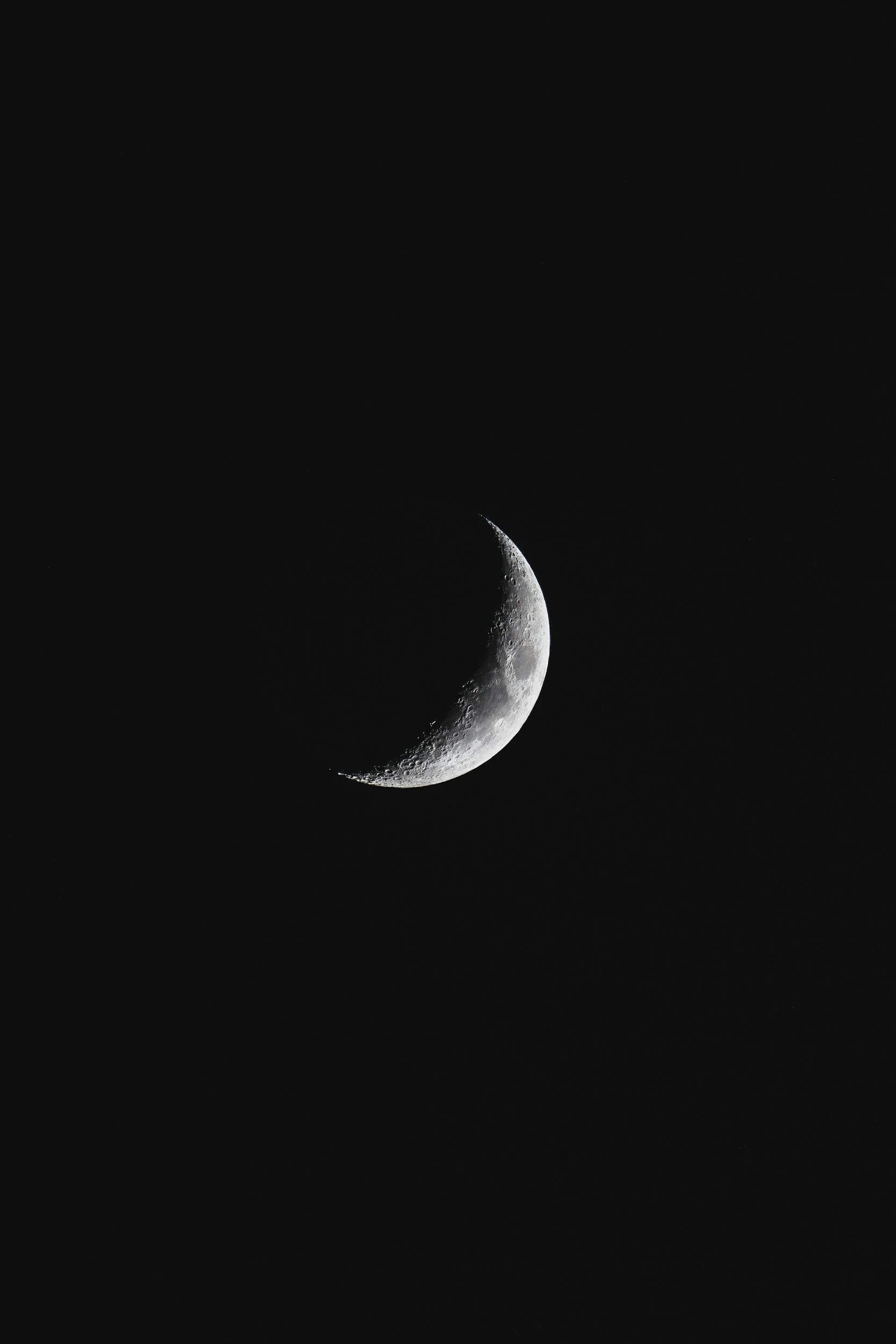
Selene is the ancient Greek goddess and personification of the moon, traditionally depicted driving a chariot across the night sky. In Greek mythology, she is the daughter of the Titans Hyperion and Theia. While historically distinct from Artemis and Hecate, modern practitioners often honor the selene goddess as a symbol of intuition and lunar magic.
Mythological Origins of the Selene Goddess
In ancient Greek religion and mythology, Selene is the bright moon born to the Titans Theia and Hyperion. According to Hesiod's Theogony, she is the sister of Helios, the sun, and Eos, the dawn. This primary text establishes her identity as a distinct Greek lunar deity and personification, rather than an original title of Artemis or Hecate. The Homeric Hymn 32 to Selene further anchors descriptions of her radiance, her chariot, and her lunar role, portraying her as a beautiful deity who bathes in the Ocean before driving her shining team across the heavens.
The mythological origins of the moon personification trace back to the earliest periods of Greek literature. The foundational texts establish a clear genealogy that places the lunar deity within the broader context of the cosmic order. The poetic tradition emphasizes the physical beauty and the luminous quality of the presence in the night sky, describing long wings and a golden crown that illuminates the darkness. This structured mythological family tree demonstrates the ancient Greek approach to personifying natural phenomena and organizing them into a coherent cosmological system.
The genealogical placement among the Titans highlights a role as a fundamental cosmic force in the Greek mythological framework. The lineage underscores an association with illumination and the celestial spheres. The familial triad rules the progression of light across the sky, creating a balanced and harmonious cycle of day and night. The ancient texts provide a rich and detailed account of these relationships, offering valuable insights into the religious and cultural worldview of the time.
The most famous mythological association involves a mortal figure who was granted eternal sleep. The details of this story vary among ancient sources, with some accounts suggesting a personal choice to preserve youth and beauty, while others propose a divine intervention to ensure uninterrupted companionship. This narrative became a popular subject in later visual reception, particularly in Roman funerary art, where the myth was frequently depicted on sarcophagi. These objects document Roman reception and should not be described as evidence of a major Greek temple cult.
The depiction on Roman sarcophagi often served as an allegory for the peaceful sleep of death and the hope for eternal rest or immortality. The image provided a comforting and poetic vision of the afterlife for Roman citizens. Museum collections house examples of such sarcophagi, which illustrate the enduring appeal of this myth in classical antiquity and its adaptation for funerary purposes. The artistic representations offer a window into the beliefs and values of the society that produced them.
Common iconography includes the crescent moon, a chariot, horses, and a billowing mantle, which are well-attested in classical art and text. The chariot is a central element of the visual representation, symbolizing the nightly across the sky. In some depictions, the figure is shown riding a single horse or a bull, further emphasizing the connection to the nocturnal world and the cyclical nature of the moon. The visual language used to portray the deity is rich in symbolism and meaning.
While the presence in literature and mythology is prominent, the cultic worship in ancient Greece was relatively minor compared to major Olympian deities. Offerings were often received in conjunction with other celestial deities or as part of broader festivals celebrating the natural world. The lack of large-scale, state-sponsored cults suggests that the primary significance in ancient Greek culture was mythological and poetic rather than institutional. The religious practices associated with the deity were often localized and specific to certain communities.
It is crucial to distinguish the early Greek religious evidence from later developments. In early sources, the lunar deities were distinct figures with separate genealogies, functions, and cultic centers. However, later authors and syncretic religious developments associated or blended these figures. This syncretism increased during the Roman period and Late Antiquity, forming a triune lunar association that is often referenced in modern times, though it was not the original Greek understanding. The blending of these goddesses was influenced by philosophical and theological shifts.
Iconography and Cultic Evidence
Common iconography for Selene includes the crescent moon, a chariot, horses, and a billowing mantle, which are well-attested in classical art and text. She is often shown riding a chariot drawn by horses or sometimes bulls, with a crescent moon resting on her head or shoulders. While her presence in literature and mythology is prominent, her cultic worship in ancient Greece was relatively minor compared to major Olympian deities. She was often honored alongside other gods or in specific local contexts, rather than having massive temples dedicated solely to her.
The syncretic approach is evident in later magical texts and philosophical writings, where the names and attributes of the three goddesses are sometimes used interchangeably. The lunar attributes were combined with the terrestrial and chthonic aspects, creating a complex and multifaceted lunar goddess figure. This development reflects the dynamic and evolving nature of ancient religious traditions, as they adapted to new cultural and intellectual contexts. The study of this syncretism provides valuable insights into the history of religion in late antiquity.
Beyond the foundational texts, the figure appears in various other works of ancient Greek literature, often serving as a poetic symbol of the night and the passage of time. Lyric poets frequently invoked the imagery to set the scene for nocturnal encounters or to emphasize the beauty and mystery of the moonlit landscape. The descriptive language used in these poems highlights the radiant and ethereal qualities, reinforcing the status as a personification of celestial light. The literary representations contribute to a deeper understanding of the cultural significance of the moon.
The use in literature also reflects the ancient Greek understanding of the moon's influence on the natural world, including the tides, agriculture, and human behavior. While there may not have been an extensive cultic following, the presence in the cultural imagination was significant, shaping the way the ancient Greeks conceptualized and interacted with the night sky. The poetic tradition provides valuable insights into the aesthetic and symbolic dimensions of ancient Greek religion. The texts offer a glimpse into the ways in which the natural world was perceived and interpreted.
In contemporary times, modern pagan and occult traditions often reinterpret the figure as a focal point for lunar magic, intuition, and feminine divine energy. Many practitioners view the deity as a primary focus for modern spellwork and devotional practices, sometimes blending historical attributes with modern concepts. When engaging in these practices, practitioners should clearly label them as contemporary interpretations rather than unbroken ancient traditions. The modern reception often emphasizes a role as a gentle and illuminating presence, offering guidance and insight.
A safe and respectful modern devotional practice involves a lunar reflection exercise. This practice draws inspiration from the association with the night and the peaceful watch over the sleeping mortal. Practitioners might spend time meditating under the moonlight, focusing on cycles, intuition, and rest. Keeping a modern moon-observation journal and engaging in a short devotional reading can be a meaningful way to connect with these themes. This approach is explicitly modern and non-initiatory, focusing on personal reflection rather than attempting to reconstruct ancient cultic rites.
The figure continues to captivate the modern imagination, serving as a bridge between ancient mythology and contemporary spiritual exploration. The transformation from a distinct Greek personification of the moon to a multifaceted symbol of lunar energy reflects the dynamic nature of mythological reception and the ongoing human desire to connect with the cosmos. By studying the historical and literary evidence, practitioners gain a deeper appreciation for the complexity of ancient Greek religion and the ways in which these ancient narratives continue to resonate in the present day.
Whether viewed through the lens of classical scholarship, art history, or modern devotional practice, the figure remains compelling and evocative. The association with light, cycles, and the mysteries of the night offers a rich collection of symbolism for those who seek to understand the natural world and their place within it. As practitioners continue to explore the legacy, practitioners must maintain a clear distinction between the historical record and modern interpretations, ensuring that their engagement with these ancient traditions is both accurate and respectful.
The study of the selene goddess also provides a fascinating window into how ancient cultures understood the passage of time. The lunar cycle was not merely a celestial phenomenon but a fundamental organizing principle for religious festivals, agricultural activities, and civic life. By observing the phases of the moon, ancient communities could synchronize their activities with the rhythms of the natural world. This deep connection to the lunar cycle is reflected in the numerous myths and rituals associated with the moon, highlighting its central role in ancient Greek society. The enduring appeal of these narratives speaks to a universal human desire to find meaning and order in the cosmos, a desire that continues to resonate in modern times.
Furthermore, the iconography of the selene goddess offers valuable insights into ancient Greek aesthetics and symbolism. The depiction of the moon as a radiant figure driving a chariot across the night sky captures the awe and wonder that the celestial bodies inspired in the ancient imagination. The use of specific symbols, such as the crescent moon and the torch, further emphasizes the illuminating and guiding qualities associated with the lunar deity. These artistic representations not only served a religious function but also contributed to the rich visual culture of ancient Greece, leaving a lasting legacy that continues to influence art and literature today.
Modern Devotional Practice and Lunar Reflection
In contemporary times, modern pagan and occult traditions often reinterpret Selene as a focal point for lunar magic, intuition, and feminine divine energy. Many practitioners view her as a primary lunar deity for modern spellwork and devotional practices, sometimes blending her historical attributes with modern Wiccan or pagan concepts. When engaging in these practices, practitioners should clearly label them as contemporary interpretations rather than unbroken ancient traditions.
A safe and respectful modern devotional practice involves a lunar reflection exercise. This practice draws inspiration from Selene's association with the night and her peaceful watch over Endymion. Practitioners might spend time meditating under the moonlight, focusing on cycles, intuition, and rest. Keeping a modern moon-observation journal and engaging in a short devotional reading can be a meaningful way to connect with these themes. This approach is explicitly modern and non-initiatory, focusing on personal reflection rather than attempting to reconstruct ancient cultic rites.
For those interested in expanding their modern practice, exploring the importance of practice and integration can provide valuable insights. Additionally, learning how to internalize your connection with spirits or understanding an alternative approach to working with spirits can offer different perspectives. Some practitioners also find value in how non-occult books inspire magical practice, or they might explore spiritual cleansing and internal work as part of their routine.
If you want to go further with this, my class How to Work with Spirits shows you how to work with spirits collaboratively.