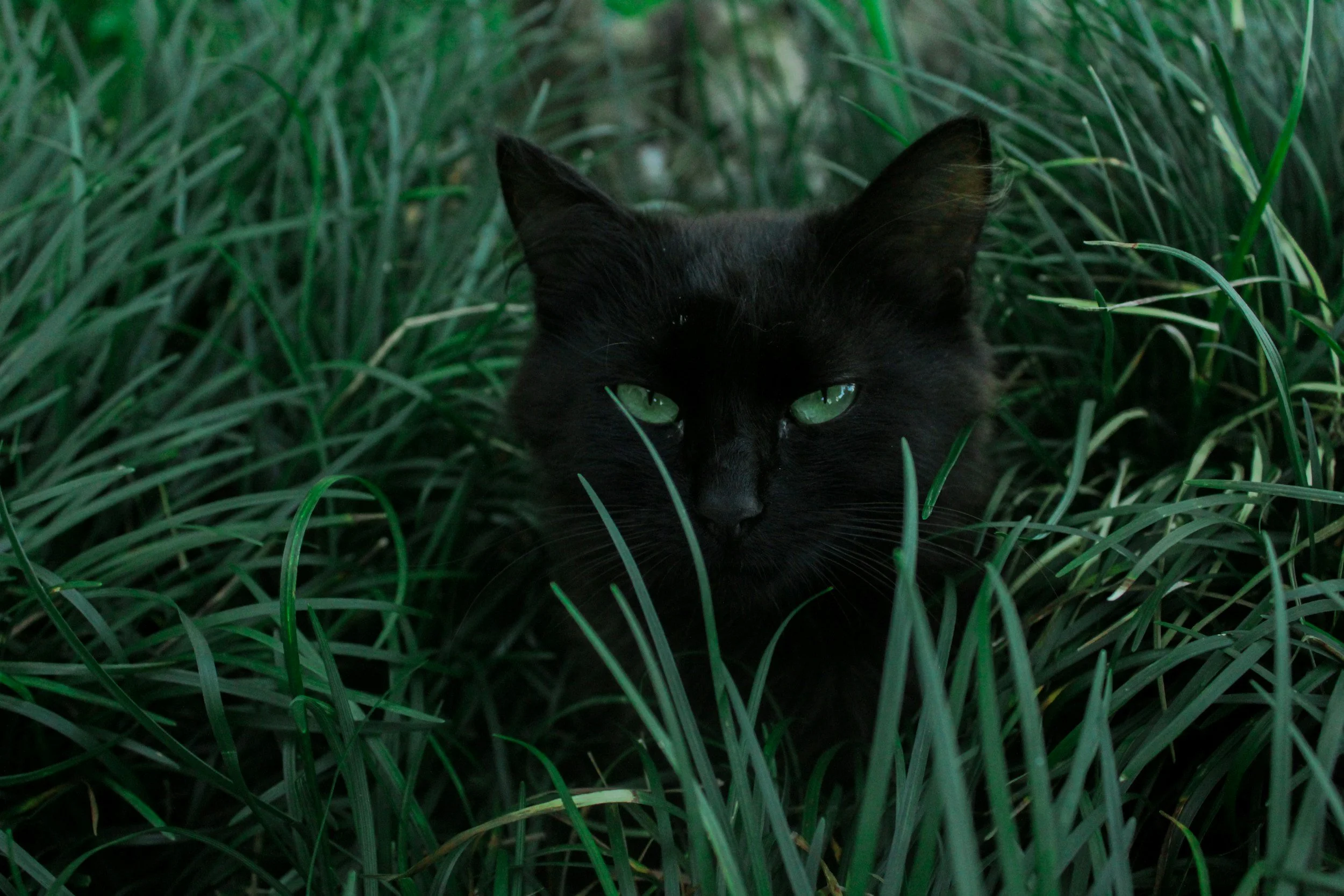
A witch's familiar historically referred to a supernatural entity, often an animal, believed to assist witches in magical workings. In modern practice, familiars are understood as spiritual allies, symbolic companions, or beloved pets with whom a practitioner shares a meaningful bond.
What is the definition of a witch's familiar in English tradition?
The term "witch's familiar" originated in early modern England and Scotland during the sixteenth and seventeenth centuries. Familiars were believed to be supernatural beings, frequently taking the form of small animals such as cats, dogs, toads, or hares, that served witches. Under the Witchcraft Act of 1604 in England, it was a criminal offense to employ or feed any evil and wicked spirit, effectively criminalizing the keeping of familiars as demonic entities. This legal framework created a dangerous environment where ordinary pet ownership could be misconstrued as evidence of witchcraft.
Historical trial records describe familiars as spirits that assisted witches by performing tasks ranging from harmful magic to helping find lost objects or heal ailments. Many accounts claimed that witches fed their familiars their own blood, often from a so-called witch's mark. However, these narratives were typically extracted under torture or coercion and heavily influenced by the interrogators' expectations and folklore of the time. It is crucial to understand that these historical accounts do not reflect actual magical practices but rather the fears and anxieties of the period.
In England, familiars most commonly appeared as domestic animals like cats and dogs, while in Scotland they were sometimes depicted as otherworldly beings, such as fairies or the spirits of the dead, illustrating regional variations in belief. This complex folklore landscape includes both malevolent and benevolent interpretations of familiars, reflecting the ambiguous role these entities played in popular imagination. The historical fear of the familiar has thus been transformed into a symbol of connection with nature and the unseen world.
For a detailed exploration of the historical and conceptual background, refer to the concepts of familiars. Understanding this history is essential for contextualizing modern practices and avoiding the perpetuation of harmful stereotypes or historical inaccuracies.
Can a dog be a witch's familiar?
Yes, dogs have historically been reported as familiars, particularly in English witch trials. For example, Alizon Device, accused during the Pendle witch trials, was said to have a black hound as her familiar. Dogs could symbolize loyalty, protection, or hunting abilities within the magical framework of the time. The association between dogs and the supernatural is a recurring theme in European folklore, often linked to spectral hounds or guardians of the underworld.
In modern practice, dogs are often regarded as familiars when a practitioner experiences a strong energetic or emotional connection with them. This connection is based on mutual respect and companionship rather than coercion or control. A dog familiar might support a witch by providing grounding energy or emotional comfort during magical workings, but ethical care, including proper veterinary treatment and attention to the animal's wellbeing, remains paramount. Practitioners must ensure that their pets are never forced into magical roles or exposed to harmful substances during rituals.
It is a common misconception that only cats can be familiars; however, many animals, including dogs, toads, ferrets, and even insects, have historically and contemporarily served as familiars. The species of the animal is less important than the quality of the bond between the practitioner and the familiar. This bond is often described as a partnership, where both parties contribute to the relationship and benefit from mutual support and understanding.
To learn more about the range of animal symbolism in witchcraft, see animal symbolism. Exploring these symbolic associations can deepen a practitioner's understanding of their familiar and the unique qualities they bring to the magical practice.
Can a witch's familiar be a human?
While less common, historical records and folklore sometimes describe familiars taking human or humanoid forms. In Scotland, for example, some witches' familiars were described as spirits of the dead or fairy-like figures rather than animals. These entities acted as guides or helpers, blurring the line between familiars, ancestral spirits, and fairy folk. This regional variation underscores the complexity of familiar beliefs and their intersection with other supernatural traditions.
In modern witchcraft, the idea of a human familiar is rare and often metaphorical. Some practitioners might consider a close magical partner or mentor a familiar in a symbolic sense, although this usage is not widespread and should not be confused with the traditional concept of a familiar spirit. The term is more commonly applied to non-human entities, whether physical animals or spiritual beings.
It is important to differentiate familiars from servitors, which are magical constructs consciously created by a witch to perform specific tasks. Servitors lack the independent consciousness attributed to familiars. For further distinctions, consult the article on servitors. Understanding these differences is crucial for developing a clear and effective magical practice.
Another important distinction is between familiars and spirit guides. While both offer support and guidance, spirit guides are often viewed as higher-level teachers or archetypal energies, whereas familiars are typically seen as more grounded, everyday companions. For more information on this topic, explore the resources on spirit guides and familiars.
Are cats the best witch's familiar?
Cats, particularly black cats, are the most iconic and culturally recognized form of a witch's familiar. This association stems from early modern folklore, where cats were frequently cited in trial records as demonic imps. Their nocturnal habits, independent nature, and historical association with both reverence, as in ancient Egypt, and suspicion, in medieval Europe, cemented their status as magical companions.
However, whether a cat is the best familiar is entirely subjective and depends on the practitioner's individual path and connection. Many modern witches find cats to be excellent familiars due to their sensitivity to energy, grounding presence, and natural inclination to participate in or observe rituals. Yet, a practitioner might form an equally profound bond with a dog, a bird, or a non-physical spirit entity. The effectiveness of a familiar lies in the quality of the relationship and mutual understanding, not the species of the animal.
A familiar is a partner, and the best familiar is the one with whom the practitioner shares a genuine, respectful connection. This connection cannot be forced or manufactured; it must develop naturally over time through shared experiences and mutual trust. Practitioners should remain open to the possibility of forming bonds with unexpected animals or spirits, rather than limiting themselves to cultural stereotypes.
It is also important to recognize that not all cats are suited to be familiars. Some may have no interest in magical workings or may find the energy of rituals unsettling. Practitioners must respect the individual personality and preferences of their feline companions, ensuring that their involvement in magical practices is always voluntary and stress-free.
How are familiars represented in popular culture and media?
Popular culture has significantly shaped the modern perception of familiars, often romanticizing them and stripping away their historical associations with demonic pacts and harmful magic. In media, familiars are frequently depicted as quirky, loyal, and sometimes talking animal companions that assist protagonists with magic. These portrayals have contributed to the widespread appeal of familiars in contemporary society, while also obscuring their complex historical origins.
Examples of familiars in popular culture include Salem the black cat from Sabrina the Teenage Witch, who serves as a sassy, talking companion and advisor, embodying the classic magical pet trope. In Sailor Moon, Luna, a talking cat, acts as a guide and mentor to the protagonist, helping her handle her magical responsibilities. These characters highlight the supportive and communicative aspects of the familiar relationship, emphasizing loyalty and friendship over servitude or coercion.
The term familiar also appears in various other contexts, such as the Doctor Who Series 9 episode titled The Witch's Familiar. In this episode, the term is used metaphorically to describe the relationship between the characters Missy, the witch, and Clara, acting as her familiar, rather than depicting actual magical familiars. This metaphorical usage demonstrates the versatility of the concept and its ability to be adapted to different narrative frameworks.
In role-playing games like Dungeons and Dragons or Pathfinder, familiars are magical companions that grant specific mechanical benefits or abilities to spellcasting characters, reinforcing the idea of familiars as tools or extensions of the practitioner's power. While these representations can be entertaining, they often simplify the complex and nuanced relationships that modern practitioners seek to cultivate with their familiars.
What are common mistakes when working with or understanding familiars?
Several errors frequently occur among those new to the concept of familiars or engaging with them in practice. One of the most common mistakes is assuming all pets are familiars. While a pet may provide comfort or companionship, not every pet is a familiar in the spiritual or magical sense. A familiar relationship requires a specific energetic connection and a mutual willingness to engage in magical workings.
Another frequent error is confusing familiars with spirit animals or totems. These are distinct concepts rooted in different cultural and spiritual traditions. Using terms like spirit animal interchangeably with familiar can be a form of cultural appropriation and is offensive to Indigenous communities. Practitioners should be mindful of the terminology they use and respect the cultural origins of these concepts. For more information on this topic, see the article on animal totemism.
Taking historical witch trial confessions at face value is also a significant mistake. Many accounts were extracted under torture and reflect interrogators' beliefs rather than actual practices. Modern practitioners should approach these historical records with a critical eye, recognizing the context of coercion and fear in which they were produced.
Expecting familiars to perform physical magical tasks is another common misconception. Modern practitioners emphasize the symbolic or spiritual nature of familiars rather than viewing them as supernatural servants. Familiars are partners in the magical process, offering guidance, support, and grounding energy, rather than executing specific commands or producing guaranteed outcomes.
Neglecting animal welfare is a serious ethical violation. Treating a living pet as a magical tool rather than a sentient being requiring care is unethical and harmful. The physical and emotional wellbeing of the animal must always be the top priority. Forcing relationships or making permanent vows is also ill-advised. Relationships with familiars should develop naturally and be based on mutual respect, not coercion or magical contracts formed impulsively.
Where to start when exploring witches' familiars
Starting with familiars involves understanding their historical context, respecting cultural boundaries, and developing a personal, ethical relationship. The first step is to research the historical and cultural background of familiars during the early modern witch trials, separating folklore and legal accusations from modern interpretations. This foundational knowledge is essential for working through the complex landscape of familiar beliefs and practices.
Next, reflect on your intention. Determine whether you seek a symbolic companion, a spiritual guide, or a beloved pet as a familiar. Clarify your goals and expectations, and be honest with yourself about what you hope to achieve through this relationship. This self-reflection will help guide your exploration and ensure that your approach is grounded and realistic.
Observe natural connections in your life. Notice if certain animals or beings resonate with you energetically or symbolically. These may become candidates for a familiar relationship. Pay attention to recurring animal encounters, dreams, or intuitive feelings that may indicate a potential connection. However, do not force a relationship if it does not develop naturally.
Prioritize ethical care above all else. If your familiar is a living animal, ensure its needs are met physically and emotionally. Never expose pets to harmful ritual elements, such as toxic smoke or essential oils, and never force their participation in magical workings. The relationship must be based on mutual respect and consent, with the animal's wellbeing as the primary concern.
Build the relationship gradually. Spend time in quiet observation, meditation, or ritual to attune to your familiar's presence. Communication with a familiar may take many forms, including intuitive insights, physical gestures, or energetic shifts. Be patient and allow the connection to deepen over time. For deeper insight on forming relationships with spirits and familiars, the guide on developing a relationship with the spirits is recommended.
Summary table: Historical vs. Modern Perspectives on Familiars
Aspect Historical Witch Trials (16th-17th C.) Modern Witchcraft and Neopaganism Nature of Familiars Believed to be demonic spirits or imps taking animal forms, often fed by witches' blood Viewed as spirit allies, symbolic companions, or beloved pets with mutual respect Common Forms Small animals: cats, dogs, toads, hares, mice, insects Animals of various species, spirit beings, or symbolic archetypes Relationship Forced or coerced confessions; familiars seen as servants or spies Voluntary, respectful partnership; familiars as guides or emotional support Legal and Cultural Context Criminalized under Witchcraft Acts; associations with harmful magic and demonic pacts Part of spiritual practice or personal belief; emphasis on ethics and care Examples Alizon Device's black hound; Prince Rupert's poodle; Scottish fairy-like familiars Modern pets as familiars; astral spirit guides; oracle card symbolism
If you want to go further with this, my class How to work with spirits teaches you how to work different types of spirits collaboratively to get better results.