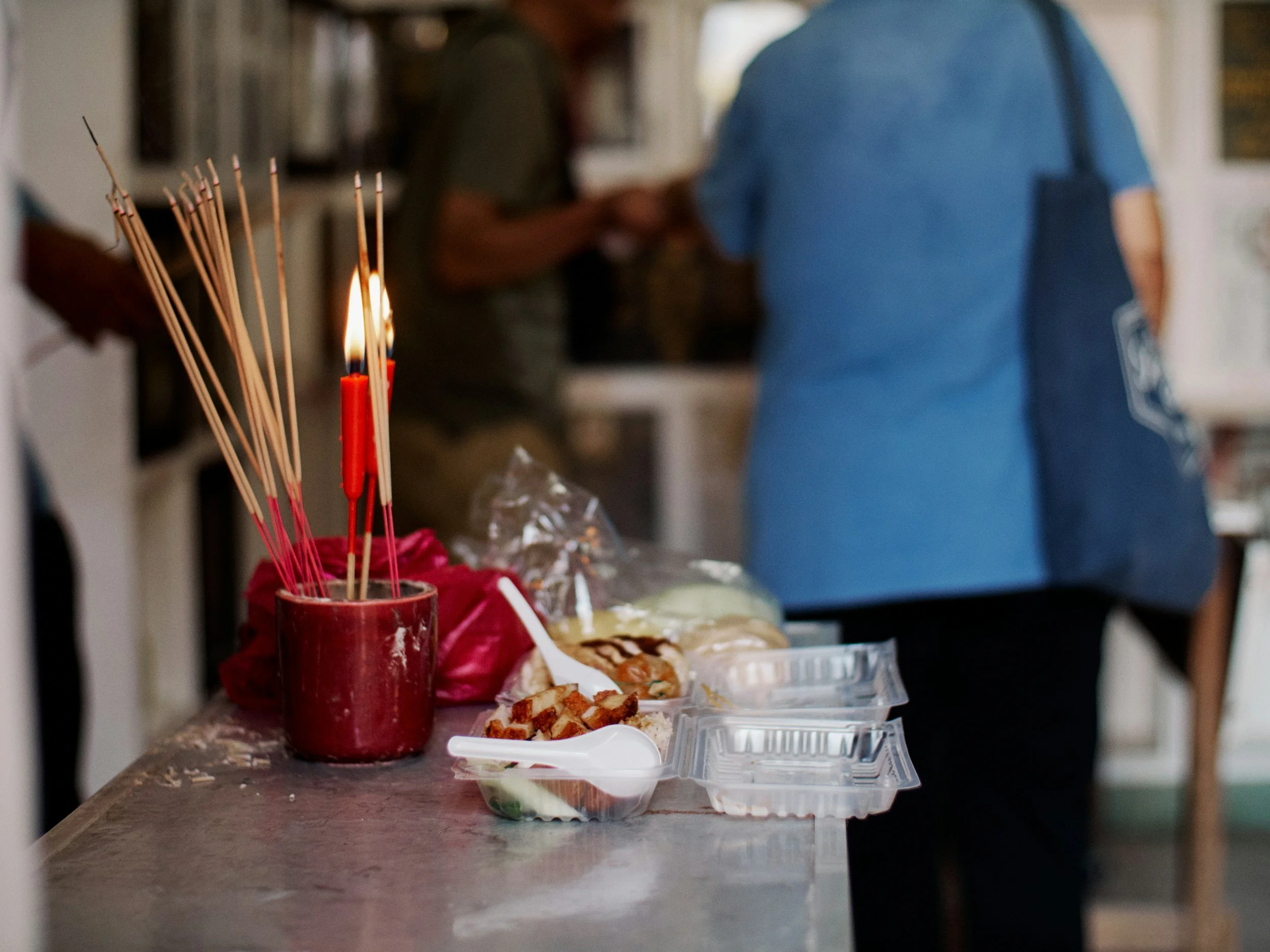
Ancestor veneration is a living practice across many cultures that honors deceased relatives through memory, gratitude, and ritual, without deifying them. The usual method is to start with known ancestors, establish a respectful home altar, observe cultural boundaries, and avoid universal claims about supernatural outcomes.
What is ancestor veneration and how is it distinct from worship?
Ancestor veneration, or ancestor reverence, describes acts of memory, gratitude, and ceremonial honor directed toward those who have lived in the past. It functions within kinship systems and religious worlds without assigning divine status to the deceased. The terminology matters: "ancestor veneration" emphasizes respect and ongoing relational duties, whereas the term "ancestor worship" can imply deity-like status and is contested in many traditions. In practice, most communities distinguish between honoring an elder and offering worship to a god. A practitioner might encounter varying definitions depending on local religious landscapes and historical interactions with Christianity, Buddhism, Islam, or indigenous beliefs. The usual goal is to sustain family cohesion, seek guidance, and express gratitude rather than to obtain magical favors. For a broader understanding of the kinds of entities involved in ancestral practice, see resources on entities and ancestral figures linked below.
What are the regional expressions and key practices of ancestor veneration?
How do East Asian traditions practice ancestor veneration?
In China, ancestor veneration is closely tied to Confucian ethics of filial piety (xiao). Mortuary rites and memorial rituals occur at home altars or gravesites, with offerings of food, tea, or symbolic "spirit money" and incense to honor the living memory of forebears. The Qingming Festival (Tomb Sweeping Day) is a prominent occasion for families to clean graves, present offerings, and reflect on lineage. These acts reinforce family continuity and social obligations rather than worship of the deceased as deities. In Korea, the ritual practice known as jesa or jerye is deeply rooted in Confucian tradition and kin-group organization. It remains a cornerstone of family identity, even as modern Christians may reinterpret the rituals in light of monotheistic theology. In Japan, ancestor practices are often integrated with Buddhist rites; the family altar (butsudan) remains a central feature in many homes, serving as a focal point for offerings and remembrance during seasonal events such as Obon. In Vietnam, ancestor veneration is pervasive and frequently framed as reverence that aligns with Catholic or Protestant communities without claiming deification of ancestors. A 2024 Pew study highlighted the continued prominence of incense offerings among Vietnamese adults, illustrating how these practices persist across religious diversity. While these traditions share a common impulse - to maintain connection with the dead - the specific rituals, vocabulary, and ceremonial calendars differ. For deeper context on East Asian forms, see the linked resources on spiritual and blood ancestors.
Many East Asian communities emphasize harmony between earthly duties and spiritual presence. The rituals often center household altars where items tied to the ancestors' preferences - photographs, personal objects, favorite foods, or symbolic tokens - are arranged with care. The practice is typically framed as filial obligation, gratitude, and memory rather than an appeal to deities for intervention. When discussing these practices in a broader comparative frame, it is important to distinguish Confucian family ethics from Buddhist or Shinto elements that may color ritual form. For readers seeking more on regional specifics, the internal resources on entities and ancestral practices can provide structured detail on related figures and ritual roles.
What are the ancestor veneration practices in West and Central Africa?
In West and Central Africa, ancestor reverence often centers on the belief that ancestors act as mediators between the living and the supreme being. Among the Yoruba, family ancestors and deified community ancestors participate in ongoing social and spiritual life, with rituals aimed at seeking protection, guidance, and justice. The Serer tradition in Senegal features the pangool, ancestral spirits or saints who serve as guardians of lineage and community memory. In these contexts, ancestor veneration reinforces kinship networks, land rights, and communal identity, rather than presenting the ancestors as gods. In the diaspora, ancestral reverence persisted under the pressures of displacement and adaptation. Enslaved Africans carried these practices into the Americas, where altars, offerings, and the belief in intercession by forebears remained central to community resilience. Diasporic forms often intersect with Christianity or Indigenous beliefs, producing blended expressions that preserve core kinship values while negotiating new religious landscapes. A careful reading of sources across these traditions helps prevent homogenizing claims and respects the distinctions among lineages, saints, and ancestral intermediaries.
How is ancestor veneration practiced in African American traditions?
Within African American spiritual life, ancestor veneration is frequently linked with Hoodoo and related folk traditions. Hoodoo centers on practical magic, healing, protection, and justice, often operating within a Christian framework. Hoodoo is a closed tradition grounded in specific communal histories and lineages, and it is not appropriate for outsiders to adopt wholesale. When engaging with these themes, it is essential to acknowledge the cultural boundaries that define Hoodoo as a living, community-based practice with guarded symbols and rituals. For practitioners exploring the topic, neutral resources that separate general ancestor remembrance from closed spiritual practices provide essential guidance. See discussions in the linked internal resources for broader context and safe, respectful exploration of these traditions.
What are the safety boundaries and common mistakes in ancestor veneration?
Engagement with ancestor veneration requires attention to safety, cultural boundaries, and realistic expectations. The following points summarize widely accepted guidelines drawn from anthropological and theological discussions, along with practical custodianship advice. Emphasis is placed on approaching living traditions with respect, not appropriation, and on recognizing the difference between honoring memory and invoking power.
Respect cultural boundaries. Many traditions, such as Hoodoo or Ifá, are closed practices tied to specific communities and histories. Outsiders should avoid adopting these rites or symbols as if they were universal techniques. Where appropriate, seek education about the tradition and engage with open, acknowledged practices with permission and guidance from members of the community.
Avoid terms that blur distinctions. Use "ancestor veneration" or "ancestor reverence" rather than "worship" unless the specific community you study uses that term in a clear, culturally appropriate way. The distinction matters for theological and ethical reasons.
Do not promise outcomes. Ancestor veneration is about memory, grounding, and moral obligation, not a guaranteed mechanism for wealth, healing, or control of events. Present practices as culturally meaningful rituals that support personal and communal well-being rather than as a system of guaranteed results.
Altar hygiene and safety. Keep altars organized and safe. Use appropriate containers for offerings, clean up after rituals, and never leave candles or incense unattended. Food offerings should be refreshed regularly and disposed of respectfully when no longer needed.
Address trauma with care. Family histories can contain pain or abuse. It is permissible to set boundaries and to focus on benevolent ancestors or more distant kin when recent generations are problematic. Community-based guidance or counseling can help handle difficult memories within a respectful framework.
Record-keeping as a practice aid. Maintain a simple ritual journal noting names invoked, dates, offerings, and reflections. This supports continuity and helps track emotional responses and changes in practice over time.
Avoid cultural appropriation. Treat practices rooted in specific cultures as living traditions with particular contexts, rites, and ethical norms. When in doubt, opt for respectful study and cultivation of personal genealogical connection rather than shared ceremonial practice.
Offerings and ritual scope. Boundary-setting is essential. Focus first on simple offerings to known ancestors, such as photos or heirlooms, rather than ambitious, multi-part ceremonies. Increase ritual complexity only with clear guidance from appropriate cultural authorities or community members.
For guidance on thoughtful, responsible offering practices and discernment, see the article on spiritual discernment. It is useful to reflect on how offerings align with personal ethics, community norms, and the broader spiritual landscape. Readers may also explore practical guides to offerings at safe, culturally appropriate scales by consulting the linked resources on offering practices and discernment.
How can beginners start practicing ancestor veneration respectfully?
Clarify intent. Understand why remembrance matters in personal or family contexts, and decide how formal the practice will be. Emphasize memory, gratitude, and ethical duties rather than seeking specific outcomes.
Map the known dead. Start with close family members and loved ones whose stories can be respectfully recalled. If genealogical research is possible, gather names, dates, and meaningful details to personalize the altar.
Design a simple altar. Create a dedicated, clean space with a modest portrait or a photo, a candle or a small light, a container for offerings, and a small symbol of the ancestors' remembered preferences. Keep the arrangement neat and change offerings regularly to maintain hygiene.
Establish routine, not ritual excess. A short ritual weekly or on significant dates (birthdays, death anniversaries) helps create a structured habit. Maintain a ritual journal to record names spoken, offerings given, and any thoughts or emotions that arise.
Choose offers carefully. Use offerings that reflect the ancestors' known preferences and avoid foods that spoil quickly if not consumed. When in doubt, opt for simple, fresh offerings and dispose of leftovers respectfully.
Respect boundaries regarding culture. If curiosity extends to traditions that are closed to outsiders, seek education through community sources, scholars, or official cultural centers rather than directly practicing rites.
Document learning with discernment. Reflect on the difference between cultural respect and religious belief. Use discernment to determine boundaries, avoid sensational claims, and recognize the distinction between cultural practice and personal spirituality.
Region or Context Core Practice Notable Rituals or Objects Boundaries and Cautions East Asia (China, Korea, Japan, Vietnam) Filial piety; honoring memory and lineage through ritual at home altars or graves Grave visits; incense, offerings of food and drink; family altars (butsudan in Japan) Distinguish veneration from worship of deities; integrate with local religious histories while avoiding deification of ancestors West and Central Africa; Afro-diasporic traditions Ancestors as mediators; maintaining kinship networks and community memory Altars, offerings, and ritual acts to seek mediation or protection; veneration embedded in social ethics Respect lineage-specific protocols; avoid misrepresenting unique customs; do not equate with closed practices African American and Afro-diasporic contexts Remembrance within a Christian or spiritual framework; continuity of lineage and resilience Altars, family stories, and ritual acts honoring ancestors; ties to Hoodoo and related practices Hoodoo and similar practices are closed to outsiders; avoid appropriation; honor community-specific forms Christian and secular interplays Prayer for the dead and memory-based rites within monotheistic traditions Commemorations, memorial prayers, and family rites that respect doctrinal boundaries Identify doctrinal positions on praying for the dead; recognize diversity within Christianity and Islam
Where to start and what are the common mistakes in ancestor veneration?
Beginning with a respectful, culturally aware approach lays a solid foundation. Start by focusing on known ancestors, keeping the practice modest, and observing safety and hygiene standards. Use the table above as a quick reference to regional differences and key cautions. For broad perspectives on building a personal practice, see how to work with spiritual ancestors and how to make offerings to spirits, which offer practical guidance on initiating respectful rituals. For deeper context about ancestral figures and lineage, explore the entities resources on ancestors, blood ancestors, and spiritual ancestors. These references help distinguish living traditions from universal claims that may not apply across cultures. A practitioner might also consider consulting the DNA ancestor healing resource to understand how some modern approaches frame lineage and memory, while remaining mindful of cultural boundaries and ethical considerations. Finally, for reflective guidance on discernment within spiritual exploration, the value of spiritual discernment provides a framework for evaluating claims and personal experiences without conflating distinct traditions.
Common mistakes include treating ancestor veneration as a universal method for achieving particular outcomes, conflating distinct cultural practices, and overlooking the social and ethical dimensions of kinship. It is essential to respect the living traditions by avoiding appropriation, refraining from presenting closed practices as open to outsiders, and acknowledging the historical contexts in which these practices arise. The goal remains to foster memory, respect, and community ties, rather than to extract power or guarantee results. By maintaining humility, scholars and practitioners can engage with ancestor veneration as a living tradition that continues to shape identities and rituals across societies.
If you want to go further with this, my class How to Work with Spirits walks you through how to respectfully contact and work with your ancestors using spirit work