A digital sigil is a magical symbol created, stored, or activated using digital technology. While traditional sigils are drawn by hand, digital sigils can be generated algorithmically or designed in software. Both methods aim to encode intention into a symbol that bypasses conscious thought, but digital tools require different approaches to charging and releasing.
What Are Digital Sigils and How Do They Work?
Digital sigils are symbols created, stored, or activated via technology. The core mechanism remains the same as traditional sigil magic: the symbol acts as a container and interface for an intangible essence or intention. The modern concept of a sigil was systematized by English artist and occultist Austin Osman Spare (1886–1956), whose method involved writing a statement of intent, removing vowels and repeated letters, and combining the remaining consonants into a unique, abstract glyph. In the 1970s, the chaos magic movement adopted Spare's method as a core technique. The transition from paper to pixels does not alter the fundamental premise that a symbol can bypass the conscious mind's critical filters. Instead, it changes the environment in which the symbol exists and the methods by which the practitioner interacts with it.
When a practitioner creates a digital sigil, consciousness accepts the symbol, affecting attention and action along a path of least resistance. The digital medium offers new ways to interact with the symbol, but the fundamental psychological and magical principles remain unchanged. The goal is to bypass the conscious mind's critical faculty and implant the intention directly into the subconscious. The digital environment provides a pristine, infinitely reproducible space for the symbol, free from the physical imperfections of ink and paper. This perfection, however, requires the practitioner to actively inject their intention into the sterile digital space, ensuring the symbol remains a magical tool rather than a mere graphic design.
The effectiveness of a digital sigil relies heavily on the practitioner's ability to internalize the symbol. In a world saturated with digital imagery, a digital sigil must stand out to the subconscious mind. This requires deliberate focus and a clear understanding of the symbol's purpose. The practitioner must train their mind to recognize the digital sigil not as another piece of digital noise, but as a concentrated packet of intention. This process of internalization is crucial for the sigil to take root in the subconscious and begin influencing the practitioner's reality.
Traditional vs. Digital Sigil Creation
The manual process of creating a sigil involves removing letters and drawing the symbol by hand. Digital methods include using drawing apps or automated generators. This contrast raises a debate over authorship and intention: does outsourcing creation to an algorithm dilute effectiveness? Some argue the physical act of drawing is crucial, while others claim algorithms remove conscious bias. The physical act of drawing a sigil involves a tactile connection to the intention, a slow and deliberate process that allows the mind to focus entirely on the goal. Digital creation, particularly when automated, can be instantaneous, potentially bypassing the necessary period of focused attention.
Digital creation allows for game-like or alternate media to become sigil procedures if intention maps onto the medium's rules. For example, a practitioner might use a digital drawing tool to create a sigil, or they might use a generator that automates the letter reduction process. The key is that the practitioner's intention remains the driving force behind the creation process, regardless of the tools used. When using a drawing app, the practitioner still engages in a deliberate creative process, albeit with a stylus or mouse instead of a pen. The digital canvas offers tools like symmetry, perfect circles, and precise lines, which can result in a visually striking symbol. However, the practitioner must ensure that the pursuit of aesthetic perfection does not overshadow the magical intention.
The debate between traditional and digital creation often centers on the concept of effort. Traditionalists argue that the effort expended in drawing a sigil by hand charges the symbol with the practitioner's energy. In contrast, digital creation can be effortless, especially when using a generator. To counter this, practitioners using digital methods must find alternative ways to invest effort and focus into the creation process. This might involve spending time meditating on the intention before generating the sigil, or carefully selecting the parameters and algorithms used by the generator. The goal is to ensure that the digital sigil is imbued with the same level of intention and focus as a hand-drawn symbol.
Using a Chaos Magic Sigil Generator
Digital sigil generators automate the initial steps of Spare's method. Advanced digital sigil engines use cryptographic hashing (like SHA-256) to derive mathematical randomness from the written intention. Some generators also incorporate ancient alphabets or planetary squares to add layers of meaning to the generated symbol. These tools offer a rapid and efficient way to create complex symbols, removing the need for artistic skill or manual letter reduction. The use of cryptographic hashing ensures that each generated sigil is mathematically unique to the specific intention entered, providing a modern twist on the concept of a unique magical signature.
When using a generator, it is important to apply a test-first framework: evaluate if the generator's underlying model aligns with your approach before use. Not all generators are created equal. Some may use simple substitution ciphers, while others employ complex algorithms. The practitioner must understand how the generator works and ensure that its methods resonate with their personal magical paradigm. If a generator uses planetary squares, the practitioner should have a basic understanding of planetary magic to fully utilize the resulting symbol. Blindly using a generator without understanding its mechanics can lead to a disconnect between the practitioner and the sigil.
Additionally, be aware of privacy concerns regarding data retention by online tools. Entering personal intentions into online generators carries privacy risks, as the data may be stored or used by the tool's creators. A magical intention is often deeply personal and sensitive. Broadcasting this intention to a third-party server can compromise the secrecy and integrity of the working. Practitioners should seek out generators that operate locally on their devices or those that explicitly state they do not store user data. Maintaining control over the intention and the resulting symbol is a critical aspect of sigil magic, and this control must be preserved when using digital tools.
The use of AI generators introduces another layer of complexity. AI models are trained on vast datasets of images and symbols, and they may incorporate unintended symbolism into the generated sigil. The practitioner must carefully review the AI-generated symbol to ensure it does not contain elements that contradict the original intention. The lack of human intention in the AI's generation process means the practitioner must work harder to claim the symbol and infuse it with their own magical will. The AI provides the form, but the practitioner must provide the substance.
How Charging Digital Media Works
Charging digital sigils involves active focus rather than passive display. Passive charging, such as leaving sigils on screens, is contested; active engagement is generally required. The digital environment is inherently distracting, filled with notifications, moving images, and endless streams of information. A sigil left passively on a screen can easily fade into the background noise, failing to register with the subconscious mind. To effectively charge a digital sigil, the practitioner must carve out a space of focused attention within the digital realm.
Techniques include meditating on the digital image, using the screen's light as a focal point, or incorporating the sigil into digital rituals. The screen itself can become a tool for gnosis. The intense, unblinking light of a monitor or smartphone can be used to induce a trance state, drawing the practitioner's focus entirely onto the glowing symbol. This requires a deliberate effort to ignore all other digital stimuli and concentrate solely on the sigil. The practitioner might also use digital audio, such as binaural beats or specific frequencies, to aid in achieving the necessary altered state of consciousness.
Some practitioners use a "flash ritual" (a sudden, intense visual burst or animation) to serve as a gnostic trigger to fire the sigil into the subconscious. Animating sigils adds a dynamic element to the practice, symbolizing the activation or manifestation process. A static image can be easily ignored, but a sudden flash or a complex animation demands attention. The flash ritual uses the screen's ability to instantly change state, creating a moment of visual shock that bypasses the conscious mind and implants the symbol directly into the subconscious. This technique requires careful timing and a strong focus on the intention at the exact moment of the flash.
However, deleting a digital file does not guarantee complete removal, complicating the traditional "fire and forget" method. In traditional sigil magic, the physical destruction of the symbol (e.g., burning it) serves as a clear signal to the subconscious that the intention has been released. In the digital realm, a deleted file may still exist in a trash bin, on a backup server, or in the device's memory. This lack of finality can make it difficult for the practitioner to truly release the intention. To overcome this, practitioners must develop digital rituals of destruction, such as securely wiping the file, overwriting the data, or using specific software designed to permanently erase the symbol. The psychological act of permanent deletion is just as important as the technical process.
Common Problems with Digital Sigils and Where to Start
There are several common sigil failure modes to be aware of when working with digital sigils. These include vague intentions, inability to release attention, fear-shaped wording, lack of practical action, and digital clutter (too many sigils). Vague intentions lead to vague results, regardless of the medium. The intention must be clear, specific, and phrased in the present tense. Fear-shaped wording, such as "I will not fail," focuses the subconscious on failure rather than success. The intention should always be framed positively.
Keeping a sigil constantly visible on a device can lead to obsession and prevent releasing the intention. The "fire and forget" principle is crucial in sigil magic. If the practitioner constantly sees the sigil on their phone's lock screen or computer desktop, they are continually reminded of the intention, preventing it from sinking into the subconscious. This constant reminder can breed anxiety and lust for result, which actively hinders the magical process. The sigil should be charged, fired, and then removed from conscious awareness.
Digital clutter is another significant problem. It is incredibly easy to generate dozens of digital sigils in a matter of minutes. This ease of creation can lead to a dilution of focus and energy. A practitioner who attempts to work with too many sigils simultaneously will find their magical efforts scattered and ineffective. It is far better to focus on a single, well-crafted digital sigil than to bombard the subconscious with a multitude of conflicting symbols.
To start working with digital sigils, consider using a drawing app for more personal investment, or test a generator with a clear, non-sensitive intention and a specific charging plan. Begin with a simple goal and a straightforward digital tool. Take the time to understand how the tool works and how it fits into your magical practice. Develop a clear protocol for charging and firing the digital sigil, paying special attention to the process of releasing the intention and permanently deleting the file. Remember that the effectiveness of a machine-generated sigil compared to a hand-drawn one is contested, and AI generators may incorporate unintended symbolism or lack the practitioner's intention. Always approach digital sigil magic with a clear understanding of the tools and techniques involved, and maintain a critical, test-first mindset.
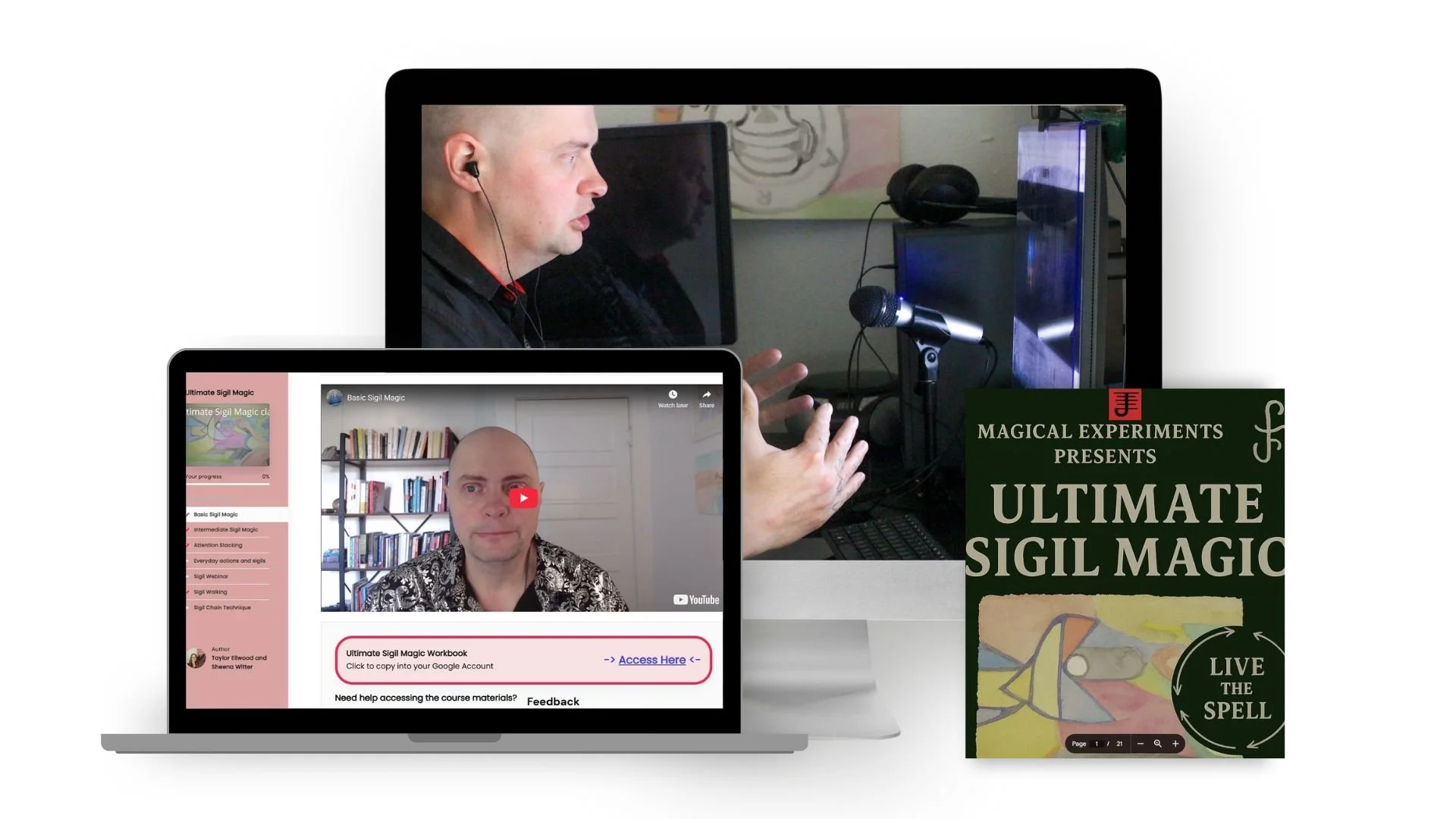
If you want to go further with this, my class Ultimate Sigil Magic walks you through my practices for creating and working with sigils, including intermediate and advanced techniques of sigil magic.