How to Charge and Activate a Sigil

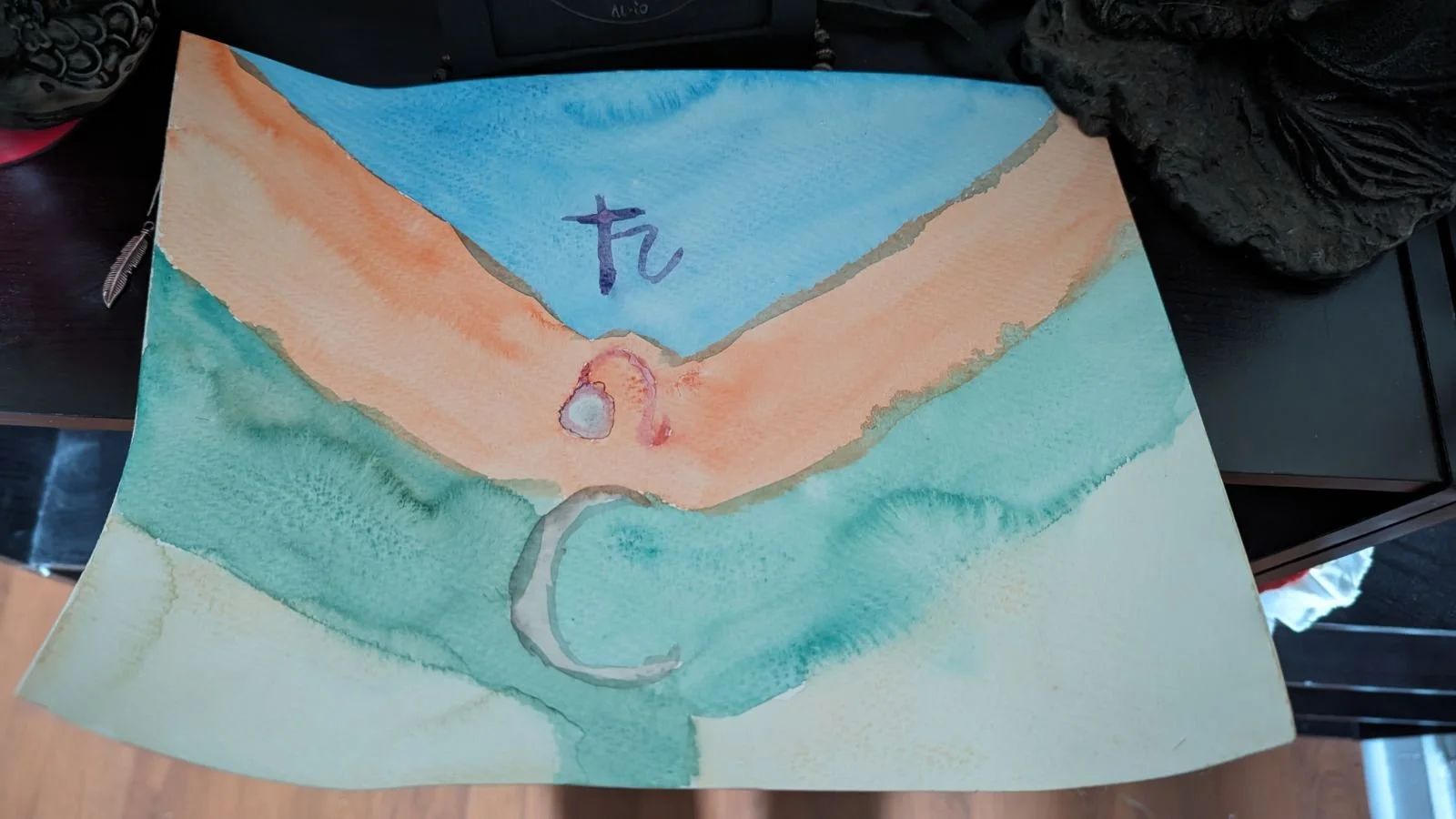
Saturn sigil

Charging a sigil is the process of focusing energy and intention into the symbol, often through an altered state of consciousness called gnosis. Activating, or firing, a sigil is the deliberate release of that intention into the subconscious or the environment, frequently by destroying the physical symbol.

How Does Sigil Magic Work?

Sigil magic operates primarily through a psychological mechanism designed to bypass the conscious mind's analytical filters. By distilling a complex desire into an abstract symbol, the practitioner embeds the intention directly into the unconscious. The sigil acts as a container and interface for an intangible essence or desired result. This process relies on the idea that the conscious mind often sabotages desires through doubt, anxiety, or over-analysis. By hiding the intention behind a symbol, the conscious mind is distracted, allowing the subconscious to process the goal without interference. The abstract nature of the sigil prevents the conscious mind from immediately recognizing the original desire, thereby neutralizing any inherent skepticism or resistance.

Once the symbol is internalised, consciousness accepts it, which then subtly affects attention and action along a path of least resistance. The practitioner begins to notice opportunities and make decisions that align with the original intention, often without consciously realizing why. This shift in perception is a crucial component of the process. Note that the exact mechanism remains contested. While chaos magic relies heavily on this psychological model, other traditions view the process as interacting with external energies, spirits, or the fundamental fabric of reality itself. Regardless of the underlying theory, the practical application remains largely consistent across different approaches. The focus is always on the creation, charging, and release of the symbol.

The effectiveness of this mechanism depends heavily on the clarity of the initial intention. If the desire is vague, contradictory, or rooted in fear, the resulting sigil will carry those flaws into the subconscious. Therefore, the foundational step of defining the intention is just as critical as the subsequent charging and activation phases. A well-crafted intention provides a clear directive for the subconscious to follow, while a poorly constructed one can lead to unpredictable or counterproductive results. Claims that sigils can directly cause physical transformation are medically unsupported; the changes occur primarily in perception, behavior, and the recognition of opportunities.

How to Charge a Sigil in Chaos Magick

Charging is the period of focused attention that occurs between creating the symbol and activating it. This phase builds the necessary association between the physical symbol and the underlying intention. Without a sufficient charge, a sigil remains nothing more than a meaningless drawing. Practitioners employ various practical methods to build energy and intention over time. The goal is to associate a high level of emotional or physical energy with the visual representation of the sigil, effectively programming it with the desired outcome.

These methods include deep meditation, focused visualization, controlled breathwork, rhythmic movement, intense emotion, and repetitive sound. The approach can vary from a gradual accumulation of energy over several days to intense, peak-state work completed in a single session. For example, a practitioner might spend ten minutes each day meditating on the symbol, slowly building a reservoir of focused attention. This slow-burn approach is often used for long-term goals or complex intentions. Alternatively, they might use a sudden burst of physical exertion to reach a peak state of energy, focusing entirely on the sigil at the moment of exhaustion. This method is typically employed for immediate, short-term needs.

The chosen method depends on the practitioner's preferences, physical capabilities, and the nature of the intention. Emotional charging is another powerful technique, where the practitioner evokes a strong emotion, such as joy, anger, or sorrow, and directs that feeling into the sigil. However, emotional charging should avoid provoking trauma responses, as this can embed harmful associations into the working. The key is to maintain absolute focus on the symbol during the charging process, ensuring that the energy is directed precisely where it is needed. Distractions during this phase can dilute the charge and reduce the effectiveness of the final activation.

Gnosis and Sigil Charging

Gnosis is an altered state of consciousness where the analytical mind is temporarily suspended, allowing the intention to bypass normal cognitive filters. Achieving gnosis is often considered the most critical component of charging a sigil. During this state, the practitioner's focus narrows entirely onto the symbol, excluding all other thoughts, sensory inputs, and distractions. This intense concentration is what allows the intention to be firmly planted in the subconscious mind. There are two primary categories of gnosis: inhibitory and excitatory.

Inhibitory gnosis involves stillness, meditation, and sensory reduction. Techniques include deep breathing exercises, sensory deprivation, staring at a fixed point, or repeating a monotonous mantra. The goal is to quiet the mind and reduce external stimuli until only the awareness of the sigil remains. It is generally considered a safe and accessible method, suitable for most practitioners. This approach requires patience and practice to master, as the modern mind is often accustomed to constant stimulation. The stillness allows the symbol to sink deeply into the subconscious without resistance.

Excitatory gnosis, on the other hand, involves sensory overload, vigorous dancing, hyperventilation, or intense physical exertion. The goal is to overwhelm the conscious mind through sheer intensity, pushing the body and mind to a point where analytical thought is no longer possible. This method carries physical and psychological risks and should be avoided by individuals with underlying health conditions. It is crucial to remember that gnosis is a temporary tool used specifically for charging, not a permanent state of being. Prolonged attempts to maintain gnosis can lead to exhaustion, disorientation, and a detachment from mundane reality. Safety and self-awareness are paramount when employing excitatory techniques.

How to Activate a Sigil

Activation is the deliberate action that places the charged sigil into active use. This step marks the transition from the charging phase to the release of the intention. While charging builds the potential energy, activation is the catalyst that sets the process in motion. A successful activation requires a clear, specific intention that avoids overly broad or complicated phrasing. If the initial intention was vague or shaped by fear, the activation is less likely to produce the desired outcome.

The method of activation should ideally align with the nature of the intention. For example, a sigil designed to banish a negative habit might be activated through destruction, symbolizing the removal of the habit from the practitioner's life. Conversely, a sigil intended to attract wealth might be activated by placing it in a wallet or near a workspace. The physical act of activation serves as a psychological trigger, signaling to the subconscious that the work is complete and the intention has been released. This definitive action helps to sever the conscious attachment to the goal, facilitating the necessary "charge and forget" protocol.

It is important to distinguish between charging and activation, although the two processes can sometimes overlap. Charging is the accumulation of energy, while activation is the deployment of that energy. Some practitioners prefer to separate these steps by several hours or even days, allowing the charged sigil to rest before it is fired. Others perform both steps in a single, continuous ritual. The choice depends on the specific requirements of the working and the practitioner's established conventions. Regardless of the timing, the activation must be a deliberate and conscious act.

Sigil Activation Methods

There are several distinct methods for activating a sigil, depending on the desired duration and effect. Destructible activation involves destroying the physical symbol to release the intention quickly. Common methods include burning the paper, dissolving it in water, or tearing it into small pieces. When burning a sigil, practitioners must always observe proper fire safety precautions, using a fire-safe container and keeping water nearby. Dissolving a sigil drawn on water-soluble paper is a safer alternative that achieves a similar psychological effect without the risk of fire. Tearing the paper into tiny fragments and scattering them in the wind is another effective method of destructible activation.

Temporary activation involves applying the sigil for a short duration. This might include drawing it on the body with skin-safe oils or water, allowing it to fade naturally over a few hours. Another common method is carving the sigil into a candle that will burn down, releasing the intention gradually as the wax melts. This method is particularly useful for intentions that require a sustained release of energy over a specific period. The act of watching the candle burn can also serve as a secondary form of meditative charging. The temporary nature of these methods ensures that the sigil does not overstay its welcome or become a source of obsession.

Permanent or passive activation involves placing the sigil in a specific location, such as above a doorway or inside a book, to act continuously over time. This method is often used for protection, ongoing influence, or establishing a specific atmosphere in a room. Digital activation involves using digital media, such as setting the sigil as a phone wallpaper or creating a digital animation. However, practitioners must account for the volatility and persistence of digital files, as deleting a file does not always guarantee its complete removal from a system. The digital environment presents unique challenges for the traditional "fire and forget" approach, requiring careful consideration of how the symbol will be managed over time.

How to Fire a Sigil

Firing a sigil is the final step of releasing the charged symbol into the universe or the subconscious mind. This is often accompanied by the "charge and forget" protocol, which advises the practitioner to deliberately stop thinking about the sigil and the desired result. The theory behind this protocol is that conscious obsession interferes with the subconscious processing of the intention. By forgetting the sigil, the practitioner allows the subconscious to work without hindrance. This can be one of the most difficult aspects of the practice, as human nature often compels us to dwell on our desires. Engaging in a completely unrelated, mundane activity immediately after firing the sigil can help facilitate this necessary forgetting.

Failing to release attention can lead to a "lust of result," where obsession and anxiety block the manifestation of the goal. When a practitioner constantly worries about whether the sigil will work, they are effectively sending a counter-intention of doubt and lack to the subconscious. There are several common problems with sigil magic that can cause a working to fail. These include vague intentions, the inability to release attention, fear-shaped wording, and using too many sigils simultaneously. Overloading the subconscious with multiple, conflicting directives can dilute the effectiveness of all the sigils involved. It is generally recommended to focus on one primary intention at a time to ensure maximum clarity and impact.

If a practitioner creates a sigil based on fear or desperation, the subconscious may amplify those negative emotions rather than the desired outcome. It is crucial to frame intentions positively, focusing on what is desired rather than what is feared. For example, instead of phrasing an intention as "The practitioner will not be poor," it should be framed as "The practitioner has abundant resources." Finally, charging and firing a sigil does not guarantee manifestation without a mundane pathway. Practical action in the physical world is always required to allow the result to occur. A sigil designed to help find a new job will be ineffective if the practitioner never submits any applications or attends any interviews. The magic provides the opportunity, but the practitioner must take the necessary steps to realize it. The integration of magical practice with practical action is the cornerstone of successful sigil work.

If you want to go further with this, my class Ultimate Sigil Magic walks you through my advanced secrets of sigil magic, showing you how to create and fire multiple sigils at the same time

Protection Sigils: Where to Place Them and Why

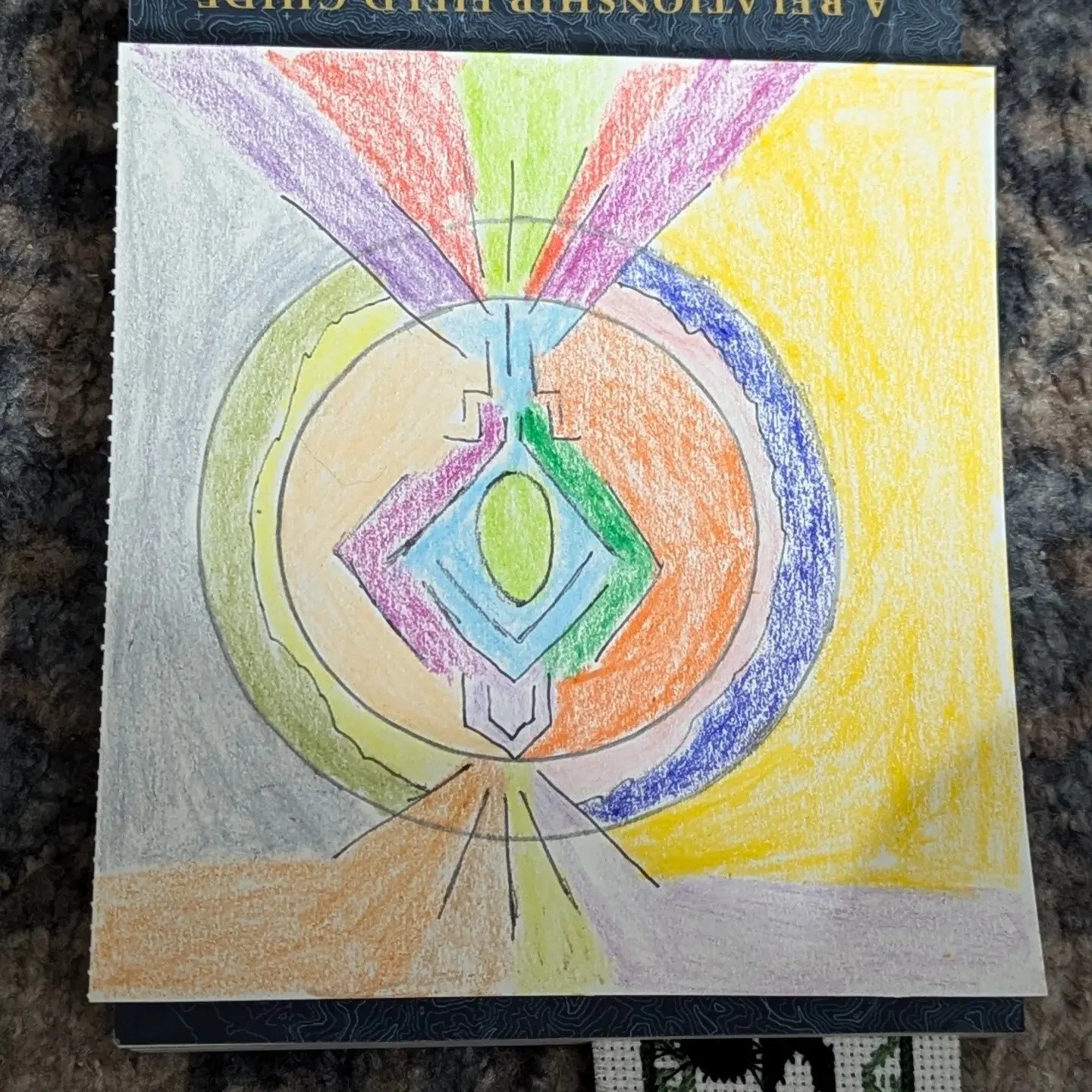
protection sigil

A protection sigil is a symbolic representation of a desired outcome, specifically designed to shield a mind, home, or environment from negativity. It acts as a container and interface for an intention, bypassing conscious doubt to reinforce a sense of safety and establish clear boundaries.

The term derives from the Latin word sigillum, meaning seal. Historically, sigils were pictorial signatures of spirits, such as those found in historical grimoires. The modern practice of creating personalized sigils from intention statements was pioneered by Austin Osman Spare in the early twentieth century and became a cornerstone of chaos magic. It is important not to conflate ancient protective symbols with modern sigil construction techniques. Modern sigils are highly individualized constructs rather than universal symbols passed down through tradition.

Understanding the distinction between traditional symbols and modern sigils is crucial for effective practice. Traditional symbols often carry centuries of collective association and cultural weight. In contrast, a modern protection sigil is a bespoke tool, crafted for a specific situation and a specific practitioner. This individualization is what gives the modern sigil its psychological potency. The practitioner is not relying on external authority but on their own focused intention.

The effectiveness of a protection sigil relies heavily on the clarity of the initial intention. Vague or fear-based intentions often lead to unpredictable or ineffective results. The process requires a disciplined approach to language and thought, ensuring that the desired outcome is stated positively and precisely. This linguistic precision forms the foundation upon which the entire magical operation rests.

What Does a Protection Sigil Look Like?

A protection sigil is a symbolic representation of a desired outcome, acting as a container and interface for intention. Typically, it takes the form of an abstract, geometric monogram or glyph. The visual characteristics are intentionally obscure. The psychological interpretation suggests that the abstract shape allows the subconscious mind to process it without interference from conscious overthinking.

When observing a completed protection sigil, one should not be able to immediately discern the original statement of intent. The letters or symbols used in its construction are combined, stylized, and abstracted to the point where they form a cohesive, unified image. This abstraction is a deliberate technique designed to bypass the critical faculties of the conscious mind. If the conscious mind can easily read the intention, it may introduce doubt or anxiety, which can interfere with the working.

The aesthetic quality of the sigil is secondary to its function. A hastily drawn, asymmetrical sigil can be just as effective as a perfectly drafted, symmetrical one, provided the intention and focus during its creation were strong. Practitioners should not become overly concerned with artistic perfection. The goal is to create a symbol that resonates with the creator's subconscious, not to produce a work of fine art.

The idea that a sigil can inherently protect without active engagement or belief is contested. Relying solely on a protection sigil for physical safety is dangerous and medically misleading. They are psychological or spiritual tools, not substitutes for physical security measures. A protection sigil will not lock a door or extinguish a fire. It is designed to influence probability, perception, and psychological resilience, complementing mundane safety practices rather than replacing them.

How to Create a Protection Sigil

Modern practitioners often use the letter-merging method. This involves setting a clear, present-tense intention, such as "The practitioner is safe and secure in their home". The practitioner then removes vowels and repeating letters, combining the remaining consonants into a stylized symbol. The construction process and setting the intention are more important than aesthetic perfection.

The first step in creating a protection sigil is formulating the statement of intent. This statement must be precise, positive, and framed in the present tense. Avoid using negative phrasing, such as "The practitioner will not be harmed", as the subconscious mind often focuses on the concept of harm rather than the negation. Instead, use affirmative phrasing, such as "The practitioner is protected from all harm". The clarity of this statement directly impacts the effectiveness of the resulting sigil.

Once the statement is finalized, the process of reduction begins. By removing vowels and duplicate consonants, the practitioner is left with a core set of letters. These letters are then manipulated, rotated, and combined to form a single, cohesive glyph. This process of manipulation is a form of focused meditation, allowing the practitioner to embed their intention into the emerging symbol.

The focus should be on the act of creation rather than the final artistic quality. The symbol must be unique to the practitioner and the specific intention. This personalization is what distinguishes a modern sigil from a universal symbol. The act of drawing, erasing, and redrawing the lines helps to solidify the intention in the practitioner's mind, making the creation process an integral part of the magical operation.

Some practitioners choose to incorporate additional symbolic elements into their sigils, such as planetary symbols or elemental associations. While this can add layers of meaning, it is not strictly necessary. The core mechanism of the sigil relies on the abstraction of the original statement of intent. Adding too many external symbols can clutter the design and dilute the primary focus.

Best Protection Sigil Placements

The logic of placement dictates that the sigil should be near the area needing protection. Placement defines how the symbol interacts with the environment and consciousness. Strategic placement ensures that the sigil's influence is directed precisely where it is required.

Bedrooms and Doors: Placing a protection sigil for above doors establishes a boundary at entry points. This acts as a filter, allowing positive energy to enter while repelling negativity. Tucking a protection sigil for bedroom under pillows secures personal space and rest, promoting peaceful sleep and warding off intrusive thoughts or energetic disturbances during the vulnerable state of slumber.

Cars and Transportation: A protection sigil for car can be hung from the rearview mirror or kept in the glovebox to create a mobile protective field. This is particularly useful for those who travel frequently or experience anxiety while driving. The sigil serves as a constant reminder of safety and focus, helping to maintain a calm and alert state of mind while on the road.

Book of Shadows and Candles: A protection sigil for book of shadows can be placed on the inside cover to ward against tampering and protect the sensitive information contained within. Inscribing a protection sigil for candle integrates the intention with the element of fire. As the candle burns, the sigil is slowly consumed, releasing the protective intention into the surrounding environment.

Body: A protection sigil for body can be applied with makeup or invisibly with oils near the area needing protection. This method is highly personal and allows the practitioner to carry the protective influence with them wherever they go. It is particularly effective for situations where environmental placement is not possible or practical.

When considering placement, it is also important to consider the material upon which the sigil is drawn. A sigil drawn on paper and placed under a doormat will degrade quickly, requiring frequent replacement. A sigil carved into wood or stone will last much longer. The choice of material should align with the intended duration of the protective working.

Protection Sigils for Specific Needs

Different situations require different approaches to protection magic. A generalized protection sigil may not be sufficient for highly specific or acute threats. Tailoring the intention and the placement to the specific need increases the likelihood of a successful outcome.

Children: A protection sigil for children requires discreet placement, such as inside clothing or in a backpack, to provide a continuous shield without interference. It is important to ensure that the sigil does not cause alarm or confusion if discovered by others. The intention should focus on general safety, well-being, and the deflection of negative influences.

Baneful Protection: A baneful protection sigil is a defensive measure to stop harm, not initiate it, such as return-to-sender spells. Practitioners must consider the ethics of proportionality and the safety guideline of avoiding personal DNA to prevent tethering negative energy. Using personal DNA in such workings is highly discouraged, as it creates a direct energetic link between the practitioner and the hostile force they are attempting to repel.

Baneful protection should be considered a last resort, utilized only when passive defensive measures have proven insufficient. The intention must be carefully crafted to ensure that the response is proportionate to the threat. Overly aggressive or vindictive intentions can create unintended consequences and escalate the situation rather than resolving it.

When crafting a baneful protection sigil, the focus should be on reflection and deflection rather than direct attack. The goal is to neutralize the incoming threat by returning the energy to its source or grounding it harmlessly. This approach minimizes the risk of energetic blowback and maintains the practitioner's ethical integrity.

How to Activate a Protection Sigil

Activation is the transition of the sigil from a drawing to an active tool. Methods vary widely, often involving visualization, elemental charging like burning, or physical movement. The chosen method should align with the practitioner's personal preferences and the specific nature of the intention.

Destruction methods include burning or dissolving the physical symbol. Burning is a rapid and forceful method of activation, releasing the intention quickly into the environment. Dissolving the sigil in water is a slower, more gradual process, suitable for intentions that require a sustained, subtle influence. Tearing the paper into small pieces and scattering them in the wind is another effective destruction method.

Placement methods involve frequent viewing or environmental interaction. A sigil placed in a prominent location, where it is seen daily, is continuously activated by the practitioner's passing attention. This method is particularly effective for long-term protective workings, such as warding a home or workspace. The constant visual reinforcement helps to maintain the sigil's presence in the subconscious mind.

Internalisation requires acceptance by consciousness. This involves entering a state of focused meditation or gnosis, visualizing the sigil glowing with energy, and then deliberately pushing the image into the subconscious mind. Once internalized, the physical drawing can be discarded or destroyed, as the true sigil now resides within the practitioner's psyche.

Regardless of the chosen method, the act of activation must be decisive and intentional. Half-hearted or distracted activation will result in a weak or ineffective working. The practitioner must fully commit to the process, focusing all their energy and attention on the release of the intention.

Common Problems with Protection Magic

A short practical section on common problems is necessary for any comprehensive guide. Maintenance is crucial. Periodic review and cleansing are required, especially for sigils exposed to heavy negative energy. Practitioners should review your protection magic regularly to ensure it remains effective and aligned with current needs.

Common failure modes include vague intentions, inability to release attention, fear-shaped wording, lack of practical action, and excessive simultaneous sigils. Vague intentions produce vague results. If the statement of intent is not specific, the resulting protection will be unfocused and unreliable. The inability to release attention, often referred to as lust of result, creates anxiety and doubt, which actively interfere with the working.

Fear-shaped wording is a particularly common problem in protection magic. When an intention is framed around the fear of a specific outcome, the subconscious mind often focuses on the fear rather than the protection. This can inadvertently attract the very thing the practitioner is trying to avoid. Intentions must always be framed positively, focusing on the desired state of safety and security.

Lack of practical action is another significant failure mode. Magical protection should complement, not replace, practical safety measures. A protection sigil will not compensate for reckless behavior or a failure to take basic precautions. Practitioners must take responsibility for their physical safety and use magic as an additional layer of defense, not a primary shield.

Finally, using excessive simultaneous sigils can dilute the practitioner's focus and energy. Creating dozens of protection sigils for every conceivable threat is counterproductive. It is far more effective to create a small number of well-crafted, highly focused sigils than a large number of weak, scattered ones. Quality and focus are always more important than quantity in magical practice.

By understanding these common problems and taking steps to avoid them, practitioners can significantly increase the effectiveness of their protection magic. Regular review, clear intentions, and a balanced approach that integrates magical and mundane safety measures are essential for a successful and sustainable practice.

It is also important to consider the ethical implications of protection magic. While defending oneself and one's property is generally considered acceptable, practitioners must be mindful of the potential consequences of their actions. Baneful protection, in particular, requires careful consideration. The intention should always be to neutralize the threat, not to cause unnecessary harm or suffering. A balanced and ethical approach ensures that the practitioner's actions remain aligned with their core values.

Protection sigils are versatile and powerful tools for safeguarding the mind, home, and environment. By understanding the principles of creation, placement, and activation, practitioners can effectively utilize these symbols to enhance their sense of security and well-being. However, it is crucial to remember that magical protection is not a substitute for practical safety measures. A comprehensive approach to security requires both mundane precautions and magical reinforcement. Regular review and maintenance of protective workings ensure their continued effectiveness, allowing practitioners to move through the world with confidence and peace of mind.

The practice of sigil magic is an ongoing process of learning and refinement. As practitioners gain experience, they will develop their own unique methods and techniques. The guidelines provided in this article serve as a foundation, but the true power of the sigil lies in the individual's ability to focus their intention and direct their energy. Through consistent practice and careful observation, anyone can master the art of creating and utilizing protection sigils.

Remember that the subconscious mind is a powerful ally in magical practice. By bypassing the critical faculties of the conscious mind, sigils allow intentions to take root and manifest in unexpected ways. Trust in the process, maintain a clear and positive focus, and allow the magic to unfold naturally. With patience and dedication, protection sigils can become an integral part of a strong and effective magical practice.

If you want to learn how to create and work sigils, my Ultimate Sigil Magic class walks you through intermediate and advanced sigil magic techniques you can use to create and activate sigils.

Deer Spiritual Meaning

In modern reflective practice, deer spiritual meaning often centers on alertness, gentleness, adaptability, and timely retreat. Historical meanings are not universal: Greek myth, Christian legend, Wixárika religion, and contemporary occult practice each interpret deer within a distinct cultural and religious setting.

Understanding Deer Spiritual Meaning in Modern Practice

When exploring deer spiritual meaning, it is essential to recognize that this is a modern interpretive question rather than a universal doctrine. In contemporary reflective practices, the deer is often viewed as an animal guide that encourages individuals to cultivate alertness, gentleness, and adaptability. These modern associations draw loosely from observable traits of the Cervidae family. White-tailed deer, for example, possess highly evolved physical adaptations, including enhanced hearing, peripheral vision, and the ability to move swiftly through dense forests. These traits inform the modern symbolism of heightened sensitivity and the capacity for timely retreat when faced with danger.

In modern esoteric and psychological frameworks, the deer frequently represents the ability to move gracefully through transitional or liminal spaces. Just as a deer moves between the deep, shadowed forest and the open, sunlit clearing, practitioners often view the deer as a symbol of moving between the physical and spiritual worlds. This interpretation draws on the animal's natural behavior to inspire mindfulness and a deeper connection to one's environment. It is a practice of observing nature and applying those observations to personal growth, rather than claiming a message from a specific historical or cultural tradition.

While some modern interpretations distinguish between the gentle, nurturing doe and the protective, aggressive stag, these are not fixed gender meanings established as historical fact. Instead, they serve as useful imagery for individuals seeking to balance different aspects of their own lives. The stag might inspire a focus on boundaries and protection, while the doe might encourage empathy and care. Both aspects contribute to the broader understanding of deer symbolism in contemporary personal development.

The concept of liminality is particularly relevant to the deer. Liminal spaces are thresholds, the areas between one state of being and another. The deer's habit of feeding at dawn and dusk, the times between day and night, further reinforces this association. Practitioners of modern reflective spirituality often use the image of the deer to help them transition through difficult periods in their own lives, finding inspiration in the animal's ability to remain calm and alert in uncertain environments.

Furthermore, the deer's antlers, which are shed and regrown annually, are often interpreted as symbols of regeneration and renewal. This biological cycle provides a powerful metaphor for personal transformation. Individuals facing significant life changes may look to the deer as a reminder that growth often requires letting go of the old to make way for the new. This perspective emphasizes the importance of aligning oneself with natural cycles and embracing the inevitability of change.

Historical Record and Folklore

The symbolism of the deer has a rich history in various cultural records and folklore, distinct from modern generalized interpretations. In ancient Greek mythology, the deer is closely associated with Artemis, the goddess of the hunt and the wilderness. The Ceryneian Hind, a creature with golden antlers and brazen hooves, was sacred to Artemis and featured prominently in the labors of Heracles. This mythological representation highlights the deer's connection to the untamed natural world and divine protection.

Medieval Christian legends also feature the stag as a divine messenger. The stories of Saint Hubertus and Saint Eustace both involve a vision of a magnificent stag with a crucifix between its antlers, leading to their conversion. In these narratives, the deer serves as an instrument of divine revelation, a motif that underscores the animal's perceived purity and connection to the sacred. These historical and folkloric examples demonstrate how different cultures have interpreted the deer's presence, but they should not be conflated with modern concepts of spirit animals.

Indigenous Traditions and Cultural Boundaries

When discussing the spiritual significance of animals, it is necessary to maintain explicit distinctions among historical record, folklore, and living religious traditions. Many Indigenous cultures have profound, specific relationships with the deer, which are distinct from modern popular interpretations and often closed to outsiders. For instance, in the Wixárika (Huichol) tradition, the Blue Deer, known as Kauyumari, is a central tutelary spirit linked to peyote and maize. This is a specific living religious tradition with its own cosmology and sacred practices, not a generalized symbol for public appropriation.

Wixárika accounts cannot be generalized into a single Indigenous meaning of deer. The Blue Deer belongs to a particular religious complex involving pilgrimage, maize, and peyote, and published ethnography does not make its ceremonies available for casual reproduction. Other Indigenous nations maintain their own narratives, responsibilities, and community authorities, which require nation-specific sources rather than a blended summary.

The popular phrase "spirit animal" is often used without reference to the specific nations, languages, kinship systems, or ceremonial responsibilities that outsiders claim it represents. A modern personal encounter is better described as animal symbolism, an animal guide, or a reflective association. It should not be labeled a "Native American meaning" without a named nation and an appropriate community source.

Respecting these cultural boundaries is a fundamental aspect of ethical spiritual practice. It requires acknowledging that not all knowledge or symbolism is available for universal consumption. By learning about these specific traditions without attempting to adopt their practices, individuals can develop a more nuanced and respectful understanding of the diverse ways in which human beings relate to the natural world. This approach fosters a deeper appreciation for the complexity of global spiritual traditions.

Removing a symbol from its language, ceremonial setting, and community authority can turn a complex religious relationship into a generic self-help image. Biological observation and clearly labeled personal reflection offer a non-appropriative alternative. They allow the deer to function as a modern metaphor without claiming access to another community's sacred knowledge.

Cultivating Intuitive Awareness: A Practical Approach

For those interested in integrating the symbolism of the deer into their personal lives, a safe and respectful practical approach involves cultivating intuitive awareness based on the animal's biological traits. This modern reflective practice focuses on developing acute hearing, peripheral vision, and swift movement in a metaphorical sense. By observing how a deer interacts with its environment, individuals can learn to "listen" more closely to their surroundings and respond to personal challenges with grace and sensitivity.

To begin this practice, find a quiet space where you can sit undisturbed. This aligns with the need to cultivate silence in your spiritual practice, allowing you to tune out distractions and focus on your internal state. Close your eyes and take several deep breaths, imagining the stillness of a forest clearing. Visualize the physical traits of a deer: its large ears swiveling to catch the faintest sound, its wide-set eyes taking in a broad view of the landscape. Use this imagery to inspire your own mindfulness.

As you sit in silence, practice expanding your awareness. Notice the subtle sounds in your environment that you might normally ignore. Pay attention to the physical sensations in your body and the thoughts passing through your mind. This exercise helps to apply awareness to spirit work and daily life, enhancing your ability to perceive subtle shifts in energy or mood. When you encounter a challenging situation, recall the deer's ability to remain alert and make swift, graceful decisions. This approach allows you to internalize your connection with spirits and nature without appropriating closed Indigenous terminology.

If you encounter a deer in the wild, use the opportunity to practice presence. Observe its behavior without attempting to interact or project a specific cultural message onto the experience. Record the actual context of the encounter in a journal, noting the time of day, the weather, the deer's actions, and your own feelings in that moment. This method of observation is an alternative approach to working with spirits that grounds your spiritual practice in tangible reality. By focusing on personal reflection and biological reality, you can draw meaningful inspiration from the deer while respecting cultural boundaries.

Maintaining clear boundaries is also a crucial aspect of this practice. Just as a deer knows when to retreat to the safety of the forest, practitioners must learn to recognize when to step back from overwhelming situations. This understanding is essential for spiritual cleansing and internal work, ensuring that you protect your energy and maintain emotional balance. By studying the deer's natural adaptability, you can develop a more responsive and grounded approach to your personal and spiritual development.

Another practical exercise involves spending time in nature, specifically in areas where deer are known to live. This does not mean actively seeking them out, but rather immersing yourself in their habitat. Pay attention to the signs they leave behind, such as tracks or grazed vegetation. This practice of tracking, even without the intent to hunt, can sharpen your observational skills and deepen your connection to the natural world. It encourages a state of active presence, requiring you to be fully engaged with your surroundings.

Finally, consider incorporating the concept of timely retreat into your daily routine. The deer's survival depends on its ability to sense danger and move away quickly. In a modern context, this translates to recognizing when a situation is no longer beneficial or safe and having the courage to remove yourself from it. This might involve setting firmer boundaries in relationships, stepping away from a stressful work environment, or simply taking a break from the constant stimulation of digital media. By embracing the deer's wisdom of retreat, you can cultivate a more balanced and resilient approach to life's challenges.

If you want to go further with this, my class How to work with spirits covers a step by step process for learning how to work with spirits, including animal spirits, so that you can build collaborative relationships with them and create more meaningful results.

How I Practice Elemental Magic Beyond the Traditional Elements

Elemental magic

This is how I practice elemental magic without relying on the traditional four or five elements. Instead of deciding that an experience belongs to fire or water, I treat the force I am actually dealing with, movement, stillness, creativity, emptiness, connection, as an element in its own right. I call the practice the Elemental Balancing Ritual and I have worked it for years. If you have found correspondence tables useful but limiting, this is written for you.

When people talk about elemental magic, they usually start with a familiar map. Fire means one set of things. Water means another. Air, Earth, and sometimes Spirit complete the system. The correspondences are useful, and I am not interested in telling anyone that a traditional model is wrong simply because it is traditional. What I discovered is that the model stopped working for me when it became a substitute for encountering what was actually happening.

If I decide in advance that a feeling, a behavior, or a situation belongs to fire, I have already constrained what I can learn from it. I have given it a folder and filed it away. I may have a label for the experience, but I have not necessarily met it. That is the problem I eventually had with correspondence-heavy elemental work. I could make an association, but the association was often doing more work than my actual experience was. [1]

My answer was not to invent a larger and more complicated table of correspondences. It was to treat the thing I was actually working with as an element in its own right. Movement became an element. Stillness became an element. Emptiness, creativity, connection, truth, and love became elements. I approached each one as a force with its own felt presence in my life, instead of forcing it into a category that had been made before I encountered it. [1]

That approach became the basis of what I call the Elemental Balancing Ritual. I have practiced it for years, through changes in my magical work, my creative life, my relationships, my bodywork, and the parts of myself I would rather not have faced. This is not an attempt to turn those years into a tidy success story. It is an account of a practice that repeatedly asked more of me than I expected.

The ritual is not a fixed ceremony with a script that someone else can perform exactly as I do. It is a way of working. I choose a force that is alive in my life, give it sustained attention, and let the work show me what that force actually means in practice. Sometimes that happens in meditation or qi gong. Sometimes it shows up in a difficult conversation, a creative block, a decision I do not want to make, or an old pattern I have been carrying for too long. The point is not to impose an answer. The point is to enter into a relationship with the element and remain present long enough to learn from it.

Why I Stopped Treating the Elements as Categories

Traditional elemental systems can provide an accessible language for experience. They can also become a way to avoid experience. If I say that movement is like fire, I can borrow fire’s associations of activity, will, passion, or transformation. But movement is not only activity. It can be a decision, a transition, a resistance, a regret, a carefully planned action, or the gradual change that occurs because I have finally stopped pretending that something is working.

So I began with a different premise: the force I am working with deserves to be encountered directly. I do not deny its relationship to other forces. I do not treat it as isolated from my body, my history, or the people in my life. I simply refuse to assume that I understand it because I can classify it.

“Instead of associating movement with a classic element, I’ve made it into its own element.” [1]

That distinction matters. Calling movement an elemental force did not give me control over movement. It made me more accountable to it. I had to notice where I was moving too quickly, where I was using activity to avoid a feeling, where I was asking a desire to carry more weight than it could, and where I needed to stop before I made a choice I would later regret.

The same was true of fire. I had to let go of the easy assumption that fire simply meant passion. In my work with fire, I came to see how readily passion can become consumption. A fire consumes its fuel. A fixation can consume a person. If I pursued intensity without asking what I was feeding, I could burn myself and the people around me. [2]

This is why I do not present the Elemental Balancing Ritual as a better correspondence system. It is not. It is a different orientation. It asks, “What is this force doing in my life?” before it asks, “What does this force correspond to?” The answer is often inconvenient. That is part of why the practice has been useful.

How the Practice Actually Works

The practice begins by choosing an element. In my case, that may be a classic element, but it has more often been a force or condition that I need to understand. I do not select a theme because it sounds impressive. I select it because it is already present, because it is creating friction, or because it is asking to be understood in a more complete way.

A working is not a month-long essay assignment. A month is simply a container for attention. I record what happens as I work. That may mean journaling after meditation, noting a pattern in a relationship, writing down an energetic shift during qi gong, or recognizing that the same question is returning through several apparently unrelated situations. The record matters because it keeps me from revising the work into a story that only makes sense in retrospect. It lets me see what I was actually resisting, what I was repeating, and what changed slowly rather than all at once.

I use whatever practices are appropriate to the work at hand. Taoist dissolving work and qi gong have been important for me, particularly when I am experiencing a blockage, a tension, or an emotion that I am trying to suppress. The practices are not there to make the difficult material disappear. They give me a way to stay with it, notice it, and work with it without immediately acting it out. During one later creativity working, I changed the sequence of my Sphere of Art work, qi gong, meditation, and mediation of the relevant forces in order to see whether the practices could become more synchronous. That is characteristic of this approach. I experiment, pay attention, and revise rather than treating the first arrangement as sacred. [6]

The following table describes the structure I have used. It is not a list of rules, and it is not a promise that every working will develop on schedule. It is the discipline that has allowed the ritual to become more than a series of passing ideas.

Part of the workingWhat I doWhat I am watching for Choose the forceI name a force that is already active in my life, such as movement, stillness, creativity, connection, or emptiness.Whether I am choosing the work because it is real or because I want an escape from what is real. Give it a containerI work with the force over days, weeks, or months, with regular meditation, bodywork, reflection, and notes.Repetition, resistance, unexpected connections, and where the force shows up outside formal practice. Meet the material directlyI use questions, meditation, dissolving work, dream work, conversation, or ordinary observation to stay present with what arises.The distinction between an immediate reaction and the deeper issue beneath it. Adjust the practiceI change a technique, a sequence, or a focus when the work shows that the current approach is no longer adequate.Whether the adjustment is an honest response to the work or another way of avoiding it. Decide whether to continueI review whether the force still has more to teach me, is changing into another force, or has reached a point of integration.Whether I am leaving because the work is complete or because it has become uncomfortable.

The themes do not unfold in a clean line. A month of creativity can expose a problem with connection. A working on stillness can bring up money, responsibility, shame, grief, or a decision about the work I am willing to do. That does not mean the element has failed. It means the element is functioning as a lens. It shows me where the force is already operating, including places I did not expect to find it.

I have learned not to require a particular kind of result. When I began working with connection and truth, I wrote that I did not normally do two elements together, but these did because they went hand in hand. I also wrote that the start was not what I had imagined. That was the point. If I wanted balance, I had to open myself to how balance might show up in ways I did not expect or plan for. [7]

You can learn the full system and how it works in my class The Elemental Balancing Ritual. I walk you through step by step how to connect and work with elements for the purposes of doing deep inner alchemical transformation.

What Fire Taught Me About Desire and Responsibility

My work with fire gave me an early lesson in why direct experience matters. I did not want to reduce fire to enthusiasm or action. In a dialogue with Dragon, fire became a question of passion and consumption. A person can be burned by what they fixate on, desire, or obsess over. The problem is not that desire exists. The problem is what happens when desire takes up all of a person’s energy and becomes the sole way they know how to feel alive. [2]

That shifted the question for me. Instead of asking how I could have more fire, I began asking whether I was consuming something or being consumed by it. There is a difference. Consumption can be a deliberate release. Obsession can be a form of surrender to a force I have refused to understand.

Fire also became a question of responsibility. When I create a spark, I have some responsibility for what I nurture. That might be a creative project, a relationship, a commitment, or any action that invites a consequence into my life. I cannot claim the excitement of beginning something while refusing the responsibility of seeing what I have started through. [2]

This is one reason the ritual is not just inward-looking. Elemental work shows up in consequences. If I am dealing with anger, desire, ambition, or intensity, I have to consider what my actions do to other people. I cannot call an impulse magical simply because it feels strong. A strong feeling is not a justification. It is material for the work.

“Fire just is. The association of doing and activity is meaning attributed to fire.” [2]

In later fire work, I returned to the difference between a warm fire and a vengeful one. I have failed myself and other people. Failure can cause a person to harden, become reactive, or try to burn away the discomfort. It can also force a reassessment of what matters. The choice is not always easy, but I would rather cultivate a fire that warms and sustains than one that keeps recreating the conditions that caused the pain. [2]

Movement Was Not Activity

Movement seemed like an obvious element at first. It was not. I expected movement to be about action, change, and forward momentum. Those were parts of it, but they were not enough.

At one point I began calculating movement. I would look at a possible movement I wanted to make and explore the timeline of that movement, where it could go, what could happen, and what factors would need to change. This gave me a way to assess whether a particular movement was wise, whether I should let it go, and whether the desired result was worth the effort involved. [3]

That was important because I can be impulsive. I have learned that a desire to change something does not automatically make a given action the right movement. Sometimes movement needs design. It needs preparation, timing, and the willingness to see what will be required after the first step is taken. Directed movement is not the same as frantic movement.

Movement also taught me about resistance. It is easy to describe myself as someone who wants change. It is harder to recognize the ways I may be attached to an old role, a familiar failure, or a story about why something cannot change. The force of movement does not only ask, “What are you doing?” It asks, “What are you refusing to move away from?”

The long movement work also showed me that every transition contains its opposite. By the time I was moving out of one long phase, I could feel movement slowing into stillness. This was not a contradiction. It was a reminder that the elements are not clean boxes. A force can change its expression as the work changes. [10]

Stability Was the Capacity to Adapt

The stability working corrected another assumption I had been carrying. I had treated stability as if it meant having the right external conditions: enough money, a predictable schedule, an uninterrupted path, or a situation that would not change. Those are the trappings of stability, but they are not stability itself.

“Real stability comes from within and its not about being in one place or having everything work out just fine.” [12]

I came to see stability as the ability to adjust and adapt to what comes while retaining some sense of purpose and drive. That idea became practical rather than abstract. It meant recognizing where I was seeking external validation, practicing how to read my own emotional reactions, and learning to make choices with their consequences in view. [12]

The working also helped me understand why body practice was part of elemental work for me. In qi gong, intentional movement and breath made me aware of stability as an energetic foundation that allowed movement to occur. Stability was physical, emotional, mental, and energetic at the same time. It involved working elemental energy through the body, developing healthier ways to express emotion, working with thought, and cultivating the energetic body. I did not experience those as separate projects. They became the conditions that allowed other elements to be worked with without being overwhelmed by them. [12]

Stability did not mean avoiding risk. It meant refusing to confuse reactivity with courage. I could still take risks and make decisions, but I had to ask whether the reaction was worth the consequences. That was a useful counterweight to the intensity of fire and the forward pull of movement. [12]

Stillness Was Not Passivity

Stillness was one of the longest workings I did, and it changed my understanding of discipline. At first, stillness sounds like the absence of movement. In practice, it was an active decision not to let every reaction decide the meaning of a situation.

When I was caught in a narrative about another person, I was often not seeing that person. I was seeing the story I had built around them. Stillness gave me a way to notice that. It did not require me to deny an emotion. It required me to acknowledge the emotion without allowing the first heat of it to define the whole context. [9]

That distinction was not theoretical. It mattered in relationships, work, creative disappointments, and the old patterns that came up when I compared myself with other people. In stillness work, I had to sit with disappointment long enough to distinguish between the feeling itself and the narrative I was constructing around it. I could feel something, examine what happened, and make a change without deciding that the feeling was the complete truth. [9]

I stayed with stillness for three years. By Month 35, I was ready to be done. I wrote that I had gotten a great deal from the work, but that it was time to no longer be still. I was ready for something different. At the same time, I knew the work would remain profoundly part of my life. It was embedded deeply in me. [4]

That is what sustained practice can do. It does not necessarily produce a moment in which the element has been mastered and will never return. Instead, it changes the baseline from which I meet the rest of my life.

“Yet the stillness has also taught me to be much more comfortable with me.” [4]

Stillness made me more comfortable with myself. It also made staticness harder to tolerate. Both were true. I had to learn that a practice can be valuable even when its completion means moving on.

Emptiness, Compassion, and the Parts of Myself I Would Rather Avoid

The element of emptiness brought me into a more difficult kind of work. I had spent a great deal of time trying to fill emptiness, escape it, or distract myself from it. That is not unusual. What was difficult was recognizing the patterns I built around avoiding it.

During that working, I began sitting with behaviors I did not like in myself. I noticed passive aggression, pettiness, the ways I could push people away, and the ways I sometimes looked to another person to fill something that was my responsibility to face. I did not find a quick answer. I tried to ask a more useful question: “What will this get you?” [5]

That question slowed me down. Instead of judging myself for the feeling, I could look beneath the action to the wound that was driving it. I could be compassionate without pretending that the behavior was harmless. There is a difference between making excuses and recognizing that a pattern has a history.

Some days of that work were genuinely hard. I wrote about feeling like I was in an ocean, buffeted by waves and trying to hold on to whatever grounding I could find. That is part of the record, and I do not want to erase it. Elemental work can be difficult because it puts me in contact with the material I have kept out of sight. It is not always elegant. [5]

The point was never to make emptiness disappear. I began to understand that I could sit with it, breathe through it, and let it speak instead of treating it as something that had to be immediately filled. That changed how I communicated with people and how I recognized the difference between a superficial want and a deeper need. It also reinforced a lesson I have had to learn more than once: internal work does not come to an end because I have identified one pattern. [5]

Creativity Needed Protection, Not Endless Output

Creativity was another long working, and it forced me to revise what I thought creativity was for. It is easy to romanticize creativity as inspiration, intensity, and productivity. I have felt all of those things. I have also learned that creativity can be damaged by treating it as a resource I can extract from without limit.

By the final month of a two-year creativity working, I understood that I needed to protect my creativity and protect the people, practices, and conditions that helped protect it.

“My creativity is what feeds my soul, but its also my livelihood.” [6]

To let anything consistently get in the way of it is to disrespect a fundamental part of myself. [6]

That realization affected how I worked. Instead of trying to write and publish a book every month, I began to recognize the need to slow down, pace myself, and take care of myself. The result was not withdrawal from the work. It was more focused writing and a better relationship with the work itself. [6]

Creativity also showed me that a theme can become most visible when I feel least creative. Personal conflict, grief, anxiety, and emotional compartmentalization all affected how I was able to work. I had to see that my creative life was not separate from those things. When I worked with the emotions I had been bottling up, the creativity working did not become less relevant. It became more honest.

At the end of that phase, I wrote that the Elemental Balancing Ritual had never been easy because it requires me to face the areas of my life that require change. I also wrote that without it, my life would have been much more chaotic. That is not a claim that the ritual prevents chaos. It is an acknowledgment that the practice gives me a path forward when I am willing to follow it. [6]

Connection and Truth Cannot Be Separated

Connection and truth became a paired working because I found that they were not separable. I could say I wanted connection while still hiding from my own feelings, avoiding accountability, or trying to manage how I was seen. I could insist on truth while using it as a weapon instead of a way of becoming more present.

The work quickly turned toward self-worth, expectations, old relational patterns, and the question of whether I valued myself for who I was or only for what I could do for others. I had to examine the gap between what I thought and felt internally and the actions I was taking. If those things were not consistent, I needed to ask why. [7]

This was not simply a private matter. Connection is relational. It required more honest communication, a willingness to recognize the impact of my choices, and a willingness to sit with pain I had caused without immediately trying to escape from it. I found that acceptance was not passive surrender. It was acknowledging what was present so that I could stop spending all of my energy fighting the fact that it was present. [7]

This phase also illustrates why the ritual should not be mistaken for a purely psychological self-help system. I worked with spirits, including Suvuviel and She Who Watches, as part of the connection and truth work. I experienced them as presences and guides. But the work did not become a guide to spirit contact. The spirits did not exempt me from responsibility. If anything, their presence made it harder to avoid the work I needed to do. [7]

Is This the Same as Working With Elemental Spirits?

I have worked with spirits, archangels, goddesses, places, and other presences over the years. Those relationships appear throughout my work. Dragon was part of my fire work. Suvuviel and She Who Watches were important to my connection and truth work. In other workings, I have experienced particular currents, contacts, and spiritual relationships that shaped how I understood the force I was engaging.

That does not make the Elemental Balancing Ritual a guide to elemental spirits or elemental beings. Those are related but different subjects. My working with classic elemental spirits such as sylphs and gnomes, for example, has included a separate walking practice in which I open myself to their energy and experiences through a specific state of being. That is a valid subject in its own right, but it is not the central method of this ritual. [11]

The core of the ritual is working with a force as an element, whether or not a spirit is involved. The main question is not, “Which entity will tell me what this element means?” The main question is, “How is this force already operating in my life, and what happens when I stop trying to reduce it to a correspondence?”

The techniques are similarly secondary to the relationship. I have used meditation, qi gong, Taoist dissolving work, dream work, and the Sphere of Art. I have changed the order of those practices when the work showed me that a different arrangement might be needed. During an earlier switchover from emptiness to time, I also shifted to an elemental fusion system because my existing daily meditations no longer matched the energetic changes I was experiencing. [8]

None of these techniques are universal requirements. They are tools that have been useful in my own practice. The practice remains experimental because I am willing to observe, assess, and adjust rather than declaring that one method must fit every element and every stage of life.

What Long-Cycle Practice Changed

The most important thing the Elemental Balancing Ritual taught me is that a force does not reveal itself all at once. The first month can be useful. It can also be misleading. It is easy to mistake an early insight for the whole working, particularly when the insight is emotionally satisfying or seems to solve something I have been struggling with.

A longer cycle makes that harder. It exposes repetition. It exposes the difference between recognizing a pattern and changing my relationship to it. It shows me that a force can move through different parts of my life over time. In creativity, I began with ideas about output and purpose, but eventually I had to confront pace, protection, accountability, and emotional presence. In stillness, I began with the need to pause but stayed long enough to learn the difference between presence and stagnation. [4] [6]

Long-cycle work also creates transitions. When one element is ending, the next may already be appearing. At the end of creativity, connection and truth were beginning to show up. I could see them as preparatory work before I formally started that next phase. The elements do not wait neatly in a queue. They overlap because life overlaps. [6]

This is why I do not think a reader needs to copy my timelines. I worked with some forces for months and some for years because the work called for it, not because I had a universal calendar. A shorter period may show that the force needs more attention. A longer period may show that the working has become an identity, a refuge, or a form of avoidance. The decision to continue should come from the work itself, not from a rule about how long a ritual ought to last.

How Do You Start Working This Way?

Choose one force that is present in your life now. It might be a familiar classical element, but it does not have to be. It could be a force like responsibility, grief, trust, hunger, attention, courage, or rest. The important thing is that it is real enough to resist easy explanation.

Give yourself a defined period of attention. A month is useful because it is long enough to move beyond a first impression, but it is not a promise that the work will be finished at the end of the month. Keep notes. Notice where the force appears in formal practice, but also notice where it shows up in your choices, your work, your body, and your relationships.

Ask direct questions. What is this force doing in my life? Where am I trying to control it? Where am I letting it control me? What am I calling an elemental truth that may actually be an old story, a fear, or a convenient excuse? The questions should not be used to interrogate yourself into submission. They should help you become more honest about what is present.

Use practices you can genuinely sustain. Meditation, walking, journaling, conversation, bodywork, art, or another discipline may provide a container. What matters is regular contact and a willingness to record what happens without turning every experience into proof of a theory. If something becomes too intense, too confusing, or too destabilizing, slow down. There is no prize for forcing an element to reveal itself on command.

At the end of the period, do not only ask whether you got a result. Ask whether your relationship to the force has changed. Are you more capable of recognizing it? Have you identified a pattern that needs more work? Has the element become more complex than it was when you started? Those questions will tell you more than a neat conclusion will.

If you want a full walkthrough of this process sign up for the elemental balancing ritual class, where I walk you through step by step how to apply this process to your life and magical work.

Why I Still Call It Balancing

Balance does not mean a life without difficulty. It does not mean that every force reaches a permanent equilibrium. I have not found that kind of balance to be real or useful.

For me, balance means being willing to respond when something in my life has become distorted, neglected, overfed, or disconnected from the rest of me. It means letting a force be more than a label. It means recognizing that the pursuit of balance may show up in ways I do not expect and would not have chosen. [7]

The Elemental Balancing Ritual has changed because I have changed. That is not a failure of the practice. It is the reason I continue to value it. I do not need a system that tells me everything before I begin. I need a practice that asks me to pay attention, tells the truth about what I find, and gives me a way to keep working when the answer is not convenient.

References
Surrendering to the current: Power with, instead of power over in magical practices

It was 2017. I was burned out trying to make my business work and the credit cards debt were piling up. All the magic spells I cast felt like they were hitting a wall. No matter how hard I tried I couldn’t get reality to conform to my will.

I needed to do something different…and it started by changing my magical practice.

Long-term magical work requires a different mindset than what you’ll find in short-term will-based magic. Short-term will-based magical practice is about having power over the environment around you in order to create a result as quickly as possible. It operates from a place of reaction, where the focus is on trying to take back a sense of agency by controlling the environment around you. It is reactive magic.

Long-term magical work, in contrast, focuses on working with the environment around you as well as working on yourself. Its primary focus is on changing within in order to change what is around you.

When we change who we are on the inside, this opens the doors for possibilities to flow into our lives much more easily. We aren’t trying to fight reality or force the universe to conform to our will. Instead what we’re doing is aligning our identity with who we want to become, making the changes inwardly and then setting it up so that reality can more easily meet us where we are because we have already changed who we are.

Long-term or legacy magic is magical identity work. It is the ontological approach to magic, which emphasizes that changing who you are is more important than changing the environment around you. It acknowledges that when we change who we are, the environment around us changes as well.

Welcome to Magical Experiments

The community for occultists, pagans, magicians and psychics who want to explore the evolution of magic and get better results

You aren’t getting the results you want.

And trying to figure out what isn’t working with your magic feels intimidating because there’s so much to track.

Let’s make this easier for you.

Stop guessing and start taking action with our FREE guide - Why Your Spells Don’t Stick.

Get your FREE Guide

How Identity Work Applies to your Life

The easiest way that I can demonstrate this principle at work is to think about the people in your life. When you have changed who you are, chances are some of the people have dropped away because you’ve changed. This isn’t a reflection on you or them. It’s simply a fundamental transformation in the way that you relate to the world and the way that you relate to other people. When we change who we are, we also change the environment in our lives.

Another example that I can use is when you’ve changed your internal beliefs about yourself. When you’ve made those changes, chances are it has changed the opportunities that have come into your life and the way that you have responded to those opportunities. For instance, if you’ve held a limiting belief about yourself that you couldn’t do something, but you changed that limiting belief and you decided that you could, in fact, do it, this changes your reality. It changes your relationship with reality because you’ve changed your identity. What you’ve done is you’ve transformed your capabilities and so you’ve changed the way that you relate to the circumstances in your life. This opens up possibilities that would otherwise be closed away as long as you held on to that limiting belief.

I think it’s also important to recognize that it’s not just about changing a belief about who you are. It’s also about putting the necessary effort into learning new skills. I can have a limiting belief that says I can’t do this specific task and that will in and of itself stop me from doing the task. I may also not have the actual skillset involved. I could change the limiting belief that I can do this task but if I haven’t learned the skills then I will still need to acquire those skills. However I will be much more amendable to learning the skills because I now have the belief that I can do the task.

Identity Orientation Practice

In Identity Orientation you learn how to consciously shift from reacting as your current identity to responding as the identity you are cultivating in your life.

Step 1: Name the Identity

Choose an identity instead of an outcome.

Outcomes focus on external circumstances or act as a reaction to the change you want to create:

  • I want six figures.

  • I want to lose weight.

  • I want a relationship.

Notice that each of these outcomes is focused on a want, making them something external to who you are.

Try this instead:

  • I am a magician who consistently creates results.

  • I am a devoted partner.

  • I am an adventurous creator.

  • I am a financially responsible business owner.

  • I am a healthy, in shape athlete.

Outcomes are destinations you are trying to get to. When you apply identity as a magical you focus on becoming the outcome instead of striving for it.

Step 2: Identify the Organizing Values of the identity

Choose a specific identity, either rom the examples shared above, or an identity you genuinely want to become. Now, complete this sentence:

Someone with this identity naturally values...

List five to seven values that fit the identity. For example: A person who chooses to identify as a sovereign might value:

  • Presence

  • Responsibility

  • Trust

  • Initiative

  • Emotional regulation

  • Service

  • Honesty

These become the internal “rules” by which the identity organizes experience.

Continue reading the article to learn how you can apply this to your magical workings and spells.

Bringing this Back to Magic

I used those two examples to give you a very grounded understanding of how this ontological approach works. It’s not just limited to magic. It applies to any area of your life. Magic, however, is one of the best ways to actually design your life when it’s used as a proactive and strategic process for creating change. In previous articles I have shared the limits that I perceive will-based magic to have so I’m not going to recap them here. Instead, what I want to show you is how long-term magic can be used to design and sculpt your life in a way that allows you to align your desires with the reality and the environment that you’re living in.

In long-term magic the focus of the magical work is on practicing magic over an extended period of time. What that means is that instead of doing a spell in the moment for a specific short-term situation that you’re trying to get a result around what you do instead is you map out the way you want your life to unfold. By having a clear and concise picture of the life that you want to create, you can direct and steer your magical work toward achieving that life.

Naturally if you’re planning to do long-term magical work, one consideration is that your long-term goals may change. This is an inevitability simply because when we live our lives, situations will change. You may end up getting divorced or getting married or having some other kind of life event occur, or have an opportunity come your way that you never thought was possible that changes the course of your life. All of that is understandable and it could actually be argued that this is a result of doing long-term magical work because what you’ve done is you have created a very specific path in your life to achieve a long-term outcome. You are attracting potential events, situations, people, etc. that can help you accomplish that outcome.

Long-term magic operates on the principle that every change in your life ultimately moves in the direction of the outcome that you want to go to. Long-term magic is done every day, and becomes part of the background of your life, moving your life toward the outcome you’ve chosen. In a very real sense what long-term magic does is steer your life toward the outcome that you want to manifest. You are changed by the magic that you work even as the environment around you meets you through those changes.

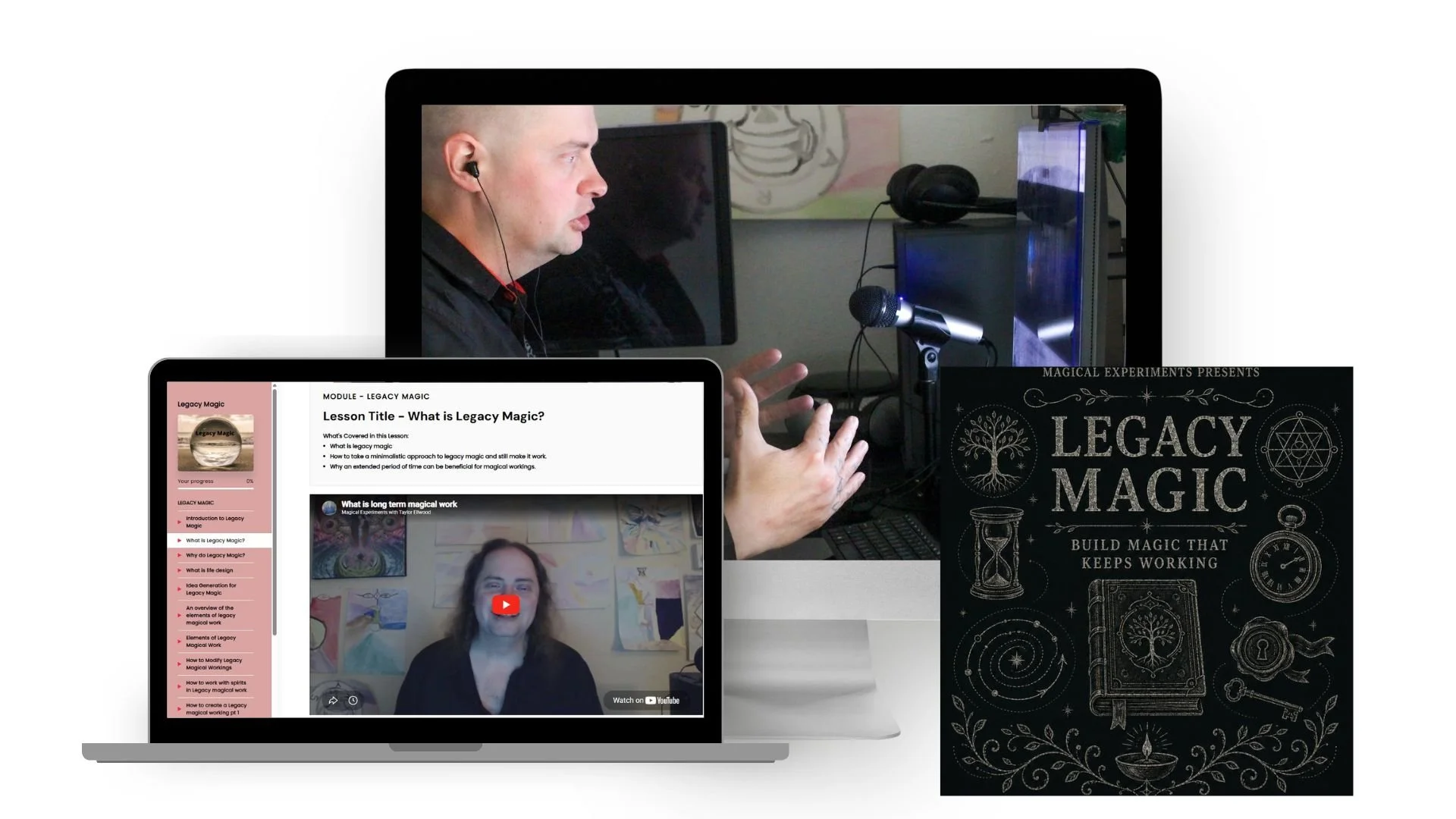
Build your Magical Life with Legacy Magic

Learn how to create spells that last a lifetime.

  • The art of creating long-term magical workings that continue to influence your life after the first ritual is complete.

  • How to use magic to build a life time of results, instead of one moment.

  • How to calibrate and improve your life and magic through long term magical work.

Legacy Magic is for practitioners who want their magic to mature from isolated acts into sustained influence.

What long-term magic teaches us to do is also work with the environment. Instead of trying to have power over the environment, we actively work and collaborate with what is already present within us and around us in order to create the desired outcome. We surrender to the experience that is already present instead of trying to force it into conformity with what we want. And through that act of surrender we discover the opportunities that bring us into contact with the desired outcome, allowing it to manifest through the changes that have been made within ourselves as well as in conjunction with the environment around us.

This is different from Will-Based Magic, which tries to impose the will of the magician on the environment around them in order to create the outcome. What a long-term magician does is chart the path forward and then surrender to the journey itself, allowing it to take them where they need to go. The magical workings that they are doing are part of the journey. It helps to create the journey and manifest the outcome. In one sense the magician is on a river and what they are doing is paddling the boat at different times in order to help steer the direction that they are going in. The boat is being carried by the river itself. When the magician paddles, that’s when the magician is using magic or other skills to help paddle the boat in the direction that the magician wants to go in.

This approach to working magic emphasizes power with instead of power over. The magician isn’t trying to control the river; the magician is working with the river. The magician knows when to paddle and also knows when to stop. The magician knows when to draw on magic and when to stop. The magician allows time for results to fully settle into their ecosystem and identity, rather than constantly doing magical work to control the environment around them.

In my next article I’m going to explore the type of long-term magic that you can do. If you’re curious about getting started with this practice, I recommend checking out my class Legacy Magic, where I show you how to create long-term magical workings that you can use to transform your life by using magic as an expression of identity and creating a long-term vision and strategy that you hold to as the ultimate outcome for your life.

Enchanting for the long term: What happens when our magic focuses on legacy instead of short term results

In 2008 I walked in to Planned Parenthood and got a vascetomy. I didn’t want to have kids. It was a fateful choice, a declaration of the legacy of my life.

When you think of the word legacy, what first comes to mind? Do you think about future generations or what the impact of your choices will be on those down the line or do you think of something else altogether?

For me legacy is a really important word because I don’t have any kids and I never will have any kids. My legacy is my magical writing, my classes, my art, and my overall devotion to the evolution of magic as a discipline and practice. I first began thinking about legacy magic, or long-term magic, back in 2017.

I had an important realization that my approach to magic, which was will-based at the time, was not working the way I hoped it would. I was putting a lot of effort into getting results and sometimes I would get the results but I would also come away feeling exhausted. I was essentially trying to muscle my way through magical workings instead of taking an approach to magic that involved less forcing and more collaboration.

I was particularly exhausted in 2017 after a year of intensive magical work and other mundane efforts, which had ultimately resulted in a business that I was running crashing down and me burning out. Everything I had done to try and sustain it and make it work had failed. I had failed. I questioned everything that I knew about magic and I questioned whether or not I was even really a magician. It was a humbling moment that forced me to come face-to-face with my own limitations and it also helped me realize that I needed to find a better way to practice magic.

Welcome to Magical Experiments

The community for occultists, pagans, magicians and psychics who want to explore the evolution of magic and get better results.

Free Guide: Why your Spells Don’t Stick – 5 critical mistakes blocking your magic

You aren’t getting the results you want.

And trying to figure out what isn’t working with your magic feels intimidating because there’s so much to track.

Let’s make this easier for you.

Stop guessing and start taking action with our FREE guide - Why Your Spells Don’t Stick.

The Flaw of Will Based Magic

I had actually been practicing long-term magic before 2017. I have an elemental balancing ritual that I do, which is a year-long working and in some cases has been two or three years long. This definitely would fall under longer-term magic because it’s a lot longer than what most magical workings are. Most magical workings are typically a once-and-done affair or a spell cast here, a spell cast there. Rarely is magic viewed from a sustainability perspective, in which it is worked with iteratively.

My elemental balancing rituals had taught me the power and presence of longer-term magic and how, when magic is worked with over an extended period of time, it both shapes and is shaped by the ongoing evolution of changes in the magician’s identity and in the way the working shows up in the magician’s life.

I learned that magic wasn’t always a one-way street, which is one of the fallacies of will-based magic. Will-based magic is power over magic. It is magic based on trying to have power over the environment, power over spirits, power over other things in order to achieve results. It’s a forceful way of approaching magical work. It shows up in a lot of Western magic, particularly from the 19th century on.

However this approach to magic is ultimately flawed because it focuses so much on exerting power over the environment, power over spirits, and power over other people and beings. It creates a tension in the magical work that inevitably creates a backfire for the magician. This is why many magicians who have approached magic in this way end up leading rather chaotic lives because they are continually trying to force their will on reality and causing a rebound effect to occur.

My own experiences in 2017 and really in other areas of my life pointed to this fact as well. I had found a pattern where I would get a result using will-based approaches to magic but then inevitably end up having to do more magical work in order to maintain that result.

What had really ended up happening is that I was continually trying to force reality into a specific shape that suited me instead of actually opening myself up to a communion with reality that was informed by curiosity, imagination, and discovery.

The weakness of this approach is that the more you try to force reality into a particular shape, the more it actually resists that and pushes back against you. This can lead to the chaos that I mentioned earlier as well as an experience of burnout with magic because the magician is always trying to force results into place instead of working organically with reality to create a shared and collaborative experience that allows results to naturally occur.

Tracking Your Magic Exercise

Much of twentieth-century occultism inherited an implicit model of will from industrialism: the stronger the will, the greater the result. Will became analogous to horsepower as a finite resource that you can direct against resistant reality.

If you observe practitioners (including yourself) over years rather than reading their theories, a different pattern appears. Burnout rarely comes from “doing too much magic.” It comes from using will as a technology of control rather than a process of relationship.

One of the best ways to understand the burnout effect of Will based Magic is through the following exercise.

Go through your magical journals and pick out 2-3 spells/workings you did that you might identify as will based magic.

See if these patterns fit those workings:

  • Everything depends on my will - with this pattern everything about the magical spell becomes personal. Every setback is treated as evidence that you didn’t visualize well enough, ritualize enough, focus enough or believe enough.

  • Constant energetic tension - Power-over magic creates chronic muscular contraction on the physical, mental, emotional and energetic body of the magician. You never stop holding the spell and so you never let it fully land in your being.

  • Every obstacle becomes an enemy - Will based magic creates adversarial perception that focuses on overcoming resistance instead of cultivating curiosity. Are you fighting the world with your magic or creating a relationship with it?

  • More Power is needed - When force doesn’t work, apply more force. Will based magic tries to force the outcome into place instead of creating harmony with the outcome.

Review your magical workings to see if any of these patterns fit your spell work. If so, you may want to change you relationship your Will, specifically how you apply it to your magical work.

Instead of taking the approach:

“I will make reality conform to my will.”

Change your approach to:

“I will organize myself so that this possibility has the greatest opportunity to emerge.”

This changes everything about your magic.

Your magic becomes:

  • orientation instead of pressure

  • participation instead of domination

  • listening instead of constant assertion

  • adaptation instead of escalation

  • stewardship instead of ownership

You align your magic with the dynamics already present. If you want to learn my practices for doing this type of alignment, sign up for Legacy Magic.

From Will to Legacy

In light of what had happened in 2017, I evaluated how I practiced magic and came to the conclusion that I needed to take an approach that was informed by the conscious decision to surrender to the experience of the magic. I allowed it to show up in my life in a way that shaped me as much as it shaped the environment. Instead of just focusing on externally shaping the environment around me, I started to explore how the magic shaped my identity as well as the environment and how it created a shared consensual experience.

This approach to magic flew in the face of conventional Western wisdom about how magic works. Yet nonetheless it made a lot of sense. The more I dove into it, the more I began to see that this was a particular trait of Western magic as opposed to other magical experiences. My studies in the esoteric practices of Taoism and Dzogchen had already shown this to me to some degree because the approaches of those two respective schools of thought and practice demonstrated a willingness to let go of being in control and created a focus on the harmonization with nature. Additionally I had some experience with indigenous practices that I had learned and those practices also pointed to the same conclusion. Magic that is done to collaborate with reality is more effective than will-based magic.

However what I didn’t have was an approach that was based in my own background of Western magic that actually allowed me to create a similar harmonization and collaboration with the environment around me. I realized that I needed to develop my own practice for long-term magic. The elemental balancing ritual was the seed for the long-term magical work, but I needed something else as well.

I started studying with R.J. Stewart. I’d taken a few of his classes but I was drawn in particular to the Sphere of Art, which was a practice that was partially derived from his studies with William G. Gray. I had read William G. Gray’s works and been heavily influenced in my magical practice by how Gray framed magic and explored its workings. Gray, in my mind, was one of the original magical experimenters in that he rigorously tested and explored what magic could do. He did it from a perspective that was significantly different from the will-based approach to magic that was being espoused by so many other Western magicians at the time he was alive.

Studying the Sphere of Art under R.J. Stewart proved to be very helpful. It meshed with my existing system of space-time magic. It also fit within the container of my studies around William G. Gray’s works. I found that I could apply my martial arts studies and Taoist magical practices into the system which was significant because it allowed me to integrate my inner alchemical body work into the long-term magic as well. I adapted the sphere of art to fit my own particular system of magic and used it as a way to create a system of long-term magical work that was focused on designing my life proactively instead of using magic to reactively try to solve problems.

The majority of spells, sigils, and magic techniques focus on solving problems in the short run. A long-term approach to magic actively sculpts and shapes the design of your life in order to create a particular outcome. When you focus on legacy or long-term magic, what you’re doing is you’re asking yourself, “How can I shape my life using magic in a process that is repetitive but creates a significantly easier path of manifestation?”

When I started practicing magic by design, creating a long-term vision for how I wanted my life to manifest, it changed the way that I practiced magic. I focused less on solving the immediate problems and more on identifying what within myself needed to change in order to align with the ideal reality I wanted to create for myself. This exploration naturally brought a lot of change into my life because in questioning how my life was in the moment, I began to see what wasn’t working and I identified where I needed to change myself to design a better life. I ended up leaving a lot of things that weren’t working in my life behind so that I could create a life that brought me a deeper sense of contentment and happiness than I had ever experienced before.

I share that because when you start to practice long-term magic, you will naturally end up questioning the direction your life is going, and it may require significant changes to who you are. Long-term magic is inner alchemical magic, because it requires you to become the most honest person with yourself. That necessarily means that you are going to shed everything in your life where you are being dishonest with yourself and other people.

It is a path of surrender instead of forcing, discovery through curiosity instead of domination through will.

In the next article we’re going to explore this path in more depth to understand how it can be applied to practical magic.

Build your Magical Life with Legacy Magic

Learn how to create spells that last a lifetime.

  • The art of creating long-term magical workings that continue to influence your life after the first ritual is complete.

  • How to use magic to build a life time of results, instead of one moment.

  • How to calibrate and improve your life and magic through long term magical work.

Legacy Magic is for practitioners who want their magic to mature from isolated acts into sustained influence.

Slow Magic with Anthony Rella - A contrarian take on how to change your life with magic

Anthony Rella and I explored the topic of Slow Magic (or Long Term Magic) in this episode.

If you’ve ever felt burned out with magic, or gotten a result and watched it slip away or felt like you are pushing a boulder up a hill when it comes to manifesting something you want, this episode offers a different on how to create results with your magic.

We covered the following topics:

  • What happens when will-based magic fails and why it fails.

  • The difference between Slow Magic and will-based magic.

  • How to Recognize Spiritual Burnout and what you can do to receive your magic.

  • How to apply Slow Magic as a magical practice to your life.

If you’ve been feeling like your magic isn’t getting the results you want or that something is off with your practice, watch this episode and learn a different approach to magic that goes slow to get better results.

Welcome to Magical Experiments

The community for occultists, pagans, magicians and psychics who want to explore the evolution of magic and get better results

Free Guide: Why your Spells Don’t Stick – 5 critical mistakes blocking your magic

You aren’t getting the results you want.

And trying to figure out what isn’t working with your magic feels intimidating because there’s so much to track.

Let’s make this easier for you.

Stop guessing and start taking action with our FREE guide - Why Your Spells Don’t Stick.

Fascia experiment with fire and water: Using subtle sensations to improve connection with the body

I’m currently working on getting my black belt. I’ve been assigning myself extracurricular activities. This exercise is one such activity, done for the purposes of cultivating subtle awareness of chi and the fascia in the body.

Welcome to Magical Experiments

The community for occultists, pagans, magicians and psychics who want to explore the evolution of magic and get better results. 

Get our free ebook Meditation Made Easy and learn how to apply meditation to your magical practice to get better results.

From Reactive to Responsive in your Magical Life

house of cards

The Tower card is associated with crisis and emergency. When it shows up in a Tarot reading, the signal is that the tower is falling. When the tower falls, your life or the specific situation is falling apart. That’s one way to read the Tower card. But in Tower Time, Sheena and I share that there are other ways to work with the Tower. One way you can work with it is to shift from reaction to responsiveness in your magical life.

The Tower card is a warning as well as a signal.

It tells you that your life as you know is going to blow up and some changes are incoming. You can react to the Tower. Many people will react in an attempt to try and control the outcome or avoid the crisis that the Tower is signaling. Many people will react from a place of fear, which actually fuels the crisis even further.

On the other hand, you can choose to be responsive and prepare for the Tower moment. You may already be in the moment and trying to resist it will just make the fall harder than it has to be. One of the best adjustments you can make is to accept that the collapse of the Tower is really just removing what you don’t need in your life.

Our Towers are built of the complications and compromises we have allowed into our lives for the sake of surviving. When the Tower breaks, the illusions of the comfortable discomfort come tumbling down, leaving you with the opportunity for stark clarity and a choice: You can rebuild the Tower and replay the same patterns or you can choose a different path. The fall of the Tower offers you the choice to react or respond.

Your Tower walls are made to lock you into a comfortably numb life

The compromises are small at first, almost invisible and you tell yourself they are worth it. You take a job you don’t really want, but the pay is good so you justify it. You stay in a relationship after the expiration date because its what you know. You can probably think of some other compromises you’ve made in the course of your life. You know the cost, perhaps in hindsight, but you know it. The Tower you build creates a life for you to settle into.

Then one day the Tower comes down. The reactive approach is usually about rebuilding the Tower. It’s familiar, comfortable and gives you the illusion of control. You know the Tower. It may make you feel boxed in, but you know it. When it falls, the reaction is to try and put it back together.

The problem is that rebuilding your Tower just puts you back in the same patterns that caused it to fall in the first place. You start to break up with someone and then you panic and go back to the relationship. You leave your job and then you find a similar one even though you hate the work. People go back to what they know because it seems to be safe, when in fact is the real danger you aren’t facing.

You’ve reacted to the fall of the Tower by rebuilding and putting yourself back into the cage that you didn’t really want to be in.

Article continues below, but first…

Tower Time by Taylor Ellwood and Sheena Witter

Tower time is now available. You can order it from a retailer or direct from us.

The Tower’s Fall is the Freedom you’ve longed for

The Tower falls and your life is shaken, stirred and upside down. Everything you know falls away and you are presented a blank slate. You can react and rebuild the Tower, but you already see where that’s going to take you. The fall of the Tower is an opportunity to claim your magical life on your terms. Yes, a lot will fall away. I’m not making light of that. You have been given a clarity call and you can respond to that call with curiosity.

The magician who steps into Tower Time takes the catalytic energy of the Tower fall and uses it to get curious about what their life could become. They break free of the numbing comfortable discomfort that the Tower put them into and walk a path away from the rubble, because they already know that rebuilding the Tower will just delay the inevitable.

The responsive magician chooses to let go of control and surrender to the current that is called in by the Tower’s fall. They surrender to the current and leave the tower behind to seek their north star and come back to the truth of their lives…the truth that brings them into integrity with their calling and with themselves.

Pull the Tower card out of a tarot deck. Look at what’s really happening. The Tower is broken. People are falling. The collapse of structure is the release of all the patterns that have gotten in your way. It’s also the opening of your next adventure. You can react or you can respond. If you respond you will definitely be taken out of your comfort zone. You’ll be challenged but you will also step into your most magical life and find what you’ve been looking for. The tower walls blocked it out, but they’ve fallen.

The lesson the Tower teaches about emergencies is that they are moments of existential awareness that bring your life into clarity. Embrace the moments, explore the opportunities and let your life be magical because you took the risk to do something instead of sticking with what comfortable.

Decolonizing Magic with Solomon Pakal

In this interview Solomon Pakal of Mystery Codex joins me for a conversation about decolonizing magic. We discuss how decolonizing benefits all magical practitioners and why it’s important to recognize and acknowledge how colonization shows up in magical practices.

We discuss:

  • What colonization is and how it impacts everyone.

  • How the modern practices of colonization show up in spiritual ceremonies and magical work.

  • Geospatial magic and how to connect with the land.

  • How to categorize magic without colonizing it.

  • How to recognize cultural appropriation in magic.

Tower Time, Magic and Spirits: When to work with spirits and magic during tower moments

When you are facing a Tower Moment, a moment of emergency and crisis, it can be tempting to turn to magic to “fix” the moment. It can also be tempting to turn towards spirits.

In this episode I talk about how to apply discernment to your magic and spirit work practices during a Tower Moment. I also cover the following:

  • Why it’s important to take responsibility for your magical work and the consequences and results that come out of it.

  • What to consider when choosing to work with spirits during a Tower moment.

  • The two types of tower moments and when to apply magic to each of those moments.

Tower Time

Tower Time is officially available!

When the Tower falls, a magician is forged.

You didn’t come to this path to stay safe.

You came to wake up.

Tower moments are initiations that tear through your life without warning, but they are not mistakes or punishments. They are thresholds. And every serious practitioner of magic must pass through them.

In Tower Time: Turn Crisis into Catalyst with Practical Magic for Radical Change magicians Taylor Ellwood and Sheena Witter hand you the keys to navigating collapse as a crucible of magical development.

This book is a tactical guide for transforming crisis into power, rooted in decades of lived experience, shadow and somatic work, and practical sorcery.

You can order from retailers OR order directly from us.

Space Time Magic during Tower Times

When you are going through a Tower Moment, such as a divorce, a job loss, or a death in the family, it feels like your entire life is getting turned upside down. In the face of that experience, a question naturally arises: What Magic can I do to help me with this Tower moment?

In this episode, I answer that question and explore the following topics:

  • What the different types of Tower moments are.

  • Why magic isn’t your immediate go to in a Tower situation.

  • What mundane actions you can take when you feel like your life is blowing up.

  • When and what type of magic to employ in a Tower Moment.

The Tower card signals crisis and emergency. When you are going through those emergencies will show you what you can do to apply magic to the Tower moment and come out the other side ok.

Tower Time by Taylor Ellwood and Sheena Witter

Tower time is now available. Order directly from us or from a retailer.

Near Life Experiences in Tower Time

The first time I watched Fight Club what stood out to me was a line from the movie where the narrator is told he had a near life experience. It was a powerful inversion of the near death experience, calling in how vivid a person feels when they nearly die and experience that clarity of still being alive. It’s a Tower Moment and its an imaginal portal that changes everything.

I want to be clear here: I’m not advocating purposely seeking out near death experiences or randomly crashing into cars so you can have a near life experience.

And I’ve had more than a few near death experiences. Each of them has created an indelible imprint on my life that has transformed my life in the moment and my overall appreciation of being alive. I even had one recently, almost a year ago, when I hit a deer and my car was totaled. I’m grateful I was able to walk away from that experience and it definitely was an existential Tower Moment for me.

There’s something transcendent about going through a near life/death experience that is reminiscent of going through a Tower Moment. When the Tower falls, your life changes, usually in the form of a loss. Maybe it’s the loss of a job or a relationship or a loved one. Maybe it’s something more interior, such as a feeling of confidence or joy. Whatever it is, the experience of the Tower is one that people try to avoid.

I don’t think the Tower can be avoided

It’s an experience all of us have at some point, losing a structure in our lives that we thought would last forever. The lesson of the Tower is that instead of avoiding the fall, accept it. The deeper lesson, however, is that what you lose also paves the way for opportunities to come into your life that the Tower was blocking you from.

I’m not sharing that as a platitude. It’s a reality I’ve lived first hand. When I got divorced, I lost my home as well as the marriage. But I had a lot of opportunities open up as well. The Tower fell and in it’s rubble I found a new path forward, which gave me options in multiple ways. The Tower challenged me to stop settling for the status quo and actually discover what I really want for my life. In that way, it was also very similar to having a near death experience.

Tower Time is imaginal time. You are experiencing the breakdown of your reality as you know it and if you are wise you are inviting your imagination to come and play. At one point, several months into my divorce I had a realization: I could choose to uproot and live somewhere else. I had a few friends still in the area I was living, but I wasn’t attached to the area. I had lived there a long time and I began to wonder what it would be like to move somewhere else for the sheer sake of choosing to start over.

I explored a coastal town and ultimately decided not to live there. Then I moved 2 hours south to a college town, where I still live now. I was drawn down here for the wrong reasons, a rebound relationship, but it turned out to be exactly what I needed. I left the familiarity of what I knew, the Tower, and embraced the unknown. It wasn’t easy. There were a number of times I questioned my choices and that’s the point of the Tower. It challenges you on an existential level. In one form or another you are having a near death/life experience that causes you to question your existence.

When we question our existence as we know it, the fall of the Tower offers us glimpses of the possibilities we blocked out of our lives. In my case, it was having adventures and traveling. I had spent so much of my life not doing any of those things, and as my Towers fell, I started doing the activities I had denied myself. I got into martial arts, finally, after many years of wanting to. I traveled internationally and I chose to pursue my professional life as an occult author and magic coach in a way that was in alignment with what I really want for myself and my community.

Articles continue below…

Tower Time is out and available. Order direct or from retailers.

The Tower isn’t just constructed by you.

It’s also constructed by the people in your life and the compromises you accept to have those people in your life. Sometimes it’s worth it, but a lot of the time you are making agreements to keep the peace or accommodate someone else while costing yourself something essential in the process…and that’s when the relationship becomes a tower.

Towers fall because you need them to fall. You tolerate a bad job or go with the flow in a relationship even though you are deeply miserable. You settle for less and it costs you, because while that tower may feel safe, it’s actually crushing the life out of you.

When the Tower falls there is a strange exhilaration that is simultaneously terrifying and liberating. It falls and you see the stars and sky that you forgot was there. You discover the possibilities that you put aside.

Now you can claim them, or you can rebuild the Tower. I’ve done both. I rebuilt a Tower a few times over, but it always collapsed. The foundation is faulty and cracked. I’ve walked away from the Tower, leaving the rubble behind and discovered a new path, leading me onto the next adventure.

When your Towers fall, embrace the fall and walk boldly forward. You deserve the opportunities you’ve denied yourself and your Towers will keep falling as long as you deny yourself your essential truth - that messy, inconvenient one that makes you feel alive.

The path forward, scary as it may be, is also the choice that your soul is singing for. You can deny it only so long or you can use the fall of the Tower to be a clarion call of discovery. Get curious, rewrite your life and discover what you really want, unshackled of your fears and the limitations of others.

Choose your Star…it’s calling for you.

Temporal Sovereignty: Working with Saturn beyond the Clock

Alchemy lab

Years ago, although I remember it like it was yesterday, (how’s that for time?) We drove past a church billboard that made us stop and do a full double-take. It said, “If you kill time, you murder success.” My partner was immediately outraged and sputtering mad. It’s become one of those phrases we can bring up whenever we want to rile him up or provide a pattern interrupt, because it’s such a perfect encapsulation of the version of time that so many of us have inherited.

This is our TikTok time. It’s linear time. It’s calendar time. It’s productivity time. It’s the idea that the clock is a moral authority, or that every unused moment is a crime against our future, or that rest is suspicious. It’s even the idea that success is always being murdered by our failure to optimize.

That billboard was Saturn in one of its most distorted forms: Kronos, the limiter, the punisher, the devourer. Time as something that eats you if you do not outrun it. This is Time as the stern authority standing over your life, measuring whether you have been useful.

This is not the only way to understand Saturn, and it’s definitely not the only way to be in a relationship with Time. Most of us were taught that Time is something to manage:

- We save time.

- We spend time.

- We waste time.

- We run out of time.

- We’re trying to catch up.

- We have deadlines

We all carry beliefs, rules, and wounds around Time. Relationships don’t always deepen during a productivity sprint, and spiritual practices can’t be rushed into maturity just because the calendar or our expectations say they have to be done now.

A Strategic Lens with Magic -

magic lens

Photo by Nadine E on Unsplash

In my previous article, I talked about the importance of taking a 2X approach to magic instead of a 10X approach to magic. One of the reasons that I take this approach is that I am applying a strategic lens to the magical work that I am doing as it applies to my overall life.

For many people, magic is reactive. They apply magic in the moment to fix a problem that has arisen in their life or to trigger a short-term reaction that helps them reach a desired result. What is not often applied is a strategic lens that examines what the consequences of achieving that result will be or how achieving the result will affect you down the line. This lack of foresight or planning can often create unintended effects that cause you to scramble in your life. You may end up doing more magic in order to resolve the consequences that have occurred because you didn’t take the time to fully map out what you really wanted, not just in the short term, but for the long term.

Magic never happens in a void. It is always situational, based on the context of our lives and the events, people, and places that are present. Yet although it is situational and based on the context of the moment, we can still apply magic with a long-term lens that helps us design our lives.

An Exercise in Long Term Planning

I want you to imagine, as an exercise, yourself as an old person. You're on your deathbed. What kind of experiences has that person had? What kind of life has that person led?

If you were to ask that person a question, one of the best questions that you could ask is: "What is it that you want me to do that you wish you had done?" This question creates a very intentional awareness of your life that prompts you to explore what you actually want for yourself, not just in the short term but for your overall life. For instance, do you want to live in a home that you purchased? If so, that's a long-term decision.

Putting the mortgage payments aside, One of the things that you may want to think about with that home is how long you would want to live there and what you would need to do in order to make sure that that home is livable as you get older.

A strategic approach to magic looks at how magic can be applied to help you achieve the outcome that you want while also considering the variables that are inevitably going to occur in your life, such as getting older. Although we can never know the full extent of how our lives will unfold, what we can do is apply strategic planning to our lives in order to create the desired outcome we want to live.

Free Guide: Why your Spells Don’t Stick – 5 critical mistakes blocking your magic

You aren’t getting the results you want.

And trying to figure out what isn’t working with your magic feels intimidating because there’s so much to track.

Let’s make this easier for you.

Stop guessing and start taking action with our FREE guide - Why Your Spells Don’t Stick.

Get your FREE Guide

Why your spells don't stick

Why we don’t think of the long term

The reason many people don’t focus on the long-term application of magic is because they’re focused on the here and now. It makes sense because that’s what we’re living with. We’re living in the here and now, but the reality is you’re likely going to get older. You’re likely to have changes in your life that affect your ability to do certain things, and you also want to think about your future not just in terms of ease and comfort but in terms of the overall quality of your life.

The lack of a strategic lens in Magic is reflective of the lack of a strategic lens in your overall life. Many people live paycheck to paycheck and in all fairness a lot of this is because the standard of living and the cost of being able to afford things is pretty high. Nonetheless, one of the things that a person can do is choose to save some money. Even if you were to save $5 or $10 a month, each month, that is going to be that much more money that you have when you need it for down the line or if you have an emergency situation.

A similar approach to magic can be applied where you start creating the circumstances in your life that favor you for both the short-term and the long-term moments. This means that you can do magical work to help you achieve a short-term outcome and at the same time you can ask yourself how this will help you achieve a long-term outcome, such as more financial stability or a high quality of life even when you’re older.

Article continues below…

Long Term magic to build your legacy

Build your Magical Life with Legacy Magic

Learn how to create spells that last a lifetime.

  • The art of creating long-term magical workings that continue to influence your life after the first ritual is complete.

  • How to use magic to build a life time of results, instead of one moment.

  • How to calibrate and improve your life and magic through long term magical work.

Legacy Magic is for practitioners who want their magic to mature from isolated acts into sustained influence.

When my Magical Practice became Strategic

I didn’t always have a long-term perspective when it came to magical work. I did a lot of short-term magic, especially in my teenage years and 20s and early 30s. My main focus was on solving the immediate problem in front of me. This is something which is typical for a lot of people. What we see in front of us is the most pressing problem so that’s what we apply magic to.

I began to change my focus to the long term when I started to see how the choices I was making in the short term were nonetheless having an impact on my life down the line.

I realized that as long as I was making short-term decisions, I wasn’t effectively planning for the rest of my life. I knew that it was important to respond to the immediate situation but I began thinking about how that response would also play out in the long term.

What really brought this home for me was getting divorced in my early 40s and realizing that I was starting all over with my life. I couldn’t afford to make short-term decisions anymore. I needed to be thinking about what was going to happen to me down the line and what I was going to do to make sure that I took care of myself.

The truth I’ve also come to recognize is that even when I plan for the long-term strategy, there are going to be short-term experiences that will change what the plan is. This is true for all of us. You can plan for the long term and nonetheless have a variable enter into your life that changes the equation dynamically. For instance you meet somebody and that person changes the entire direction of your life because you choose to be with that person and you want to see where things will go. That can change your plan significantly.

The key approach that you want to take with long-term magic is that you consider the direction of your life and you plan for those variables. If someone comes into your life, for example, you ask yourself: Does this person match my values? Does this person fit in my life in the long term not just in the short term? This kind of thinking can seem a little bit cold and clinical but it’s really designed to get you to think very carefully about your choices, so that regardless of what happens you are taking care of yourself, your life and your legacy.

“Where is this ultimately taking me?”

Whether you have a question about a specific situation or want a general reading, I have answers for you. Get guidance and support around topics including:

  • Love and Relationship Support

  • Career Questions

  • Strategic support around important decisions

  • Business plans

  • In-depth exploration of your general life situation.

Getting Real about how Magic(k) Works - How to enchant for incremental results

roll to 2x your life

The other day I read a couple of articles on Substack about how magic works. One article made the argument that magick doesn’t actually work like magic (i.e. Hollywood magic) and the other article explored why results de-manifest when you’re not fully able to let the results land in your identity. They were both good articles that laid out some of the problems that people around their magical practice:

  • Having unrealistic expectations how results

  • Internal disbelief that magic really works

  • A subconscious belief that you don’t deserve the result you want.

These are all valid reasons for why a result doesn’t land when you do a magical working. What the reasons really are, though, are symptoms of a deeper narrative around magic and the practitioner that hasn’t been fully explored or understood. Dealing with the symptom can help you in the short term, but it won’t address the long term reality that needs to be changed your relationship with magic.

What is the deeper narrative?

The deeper narrative is the set of beliefs that you have about yourself and magic that tells you what is or isn’t possible. It’s the set point you have within yourself, as well, that creates the relationship pattern you have with:

  • Money

  • Success

  • Love

  • Opportunity

  • and other various variables in your life.

The set points that you carry within you create the limits and parameters that you and your magic operate in. If you aren’t aware of those set points and their influence on you, then when you do magical working that takes you outside of those parameters, identity-wise, that part of you will react and bring you back home, because the set point is familiar and feels safe. It may not be serving what you want, but it serves the part of you that doesn’t want to get hurt, rejected or lose everything.

Free Guide: Why your Spells Don’t Stick – 5 critical mistakes blocking your magic

You aren’t getting the results you want.

And trying to figure out what isn’t working with your magic feels intimidating because there’s so much to track.

Let’s make this easier for you.

Stop guessing and start taking action with our FREE guide - Why Your Spells Don’t Stick.

The 10X problem

Have you ever been given the advice to 10X your goals?

On the surface it seems like good advice. Go big or go home. The reality is that 10x-ing your goals, as appealing as it may sound, actually creates a rebound effect on your results. You go big AND you go home to your set points. The reason is because you’re reaching too far, too quickly, and that causes the result to rebound, if you are not ready to receive the results. It basically is a system shock and when your system is shocked, it fights back and reverts to homeostasis, because that’s what it knows.

Instead of 10xing your goals, trying 2xing your goals. I know it doesn’t as glamorous, but it’s achievable and it has a hidden benefit. It allows you to adjust your set point incrementally without creating resistance to the desired outcome. A 2x goals is something you can achieve with your magic and your life and you’ll adjust to it. And once you achieve the 2x goal, you can move the goal again, 2xing again and again, gradually moving your set point and increasing your overall bandwidth and capacity to receive and integrate the result.

Incremental change isn’t very dramatic, but it is a sure sign that your magic is working and transforming your life. It enables you to trust yourself as well, because every part of you readily accepts and embraces the change as something natural.  You become acclimated to the change and it becomes your new set point, transforming the way you experience yourself and the world.

Are there ever exceptions to this rule?

There is an exception to the set point, of a sort. When you are already going through a period of upheaval, such as a tower moment, the usual rules go out the window. Your set points are already disrupted, which makes it easier to manifest and keep results that fall outside the normal capacity and tolerance you have of change. For instance, if you get divorced, the tower of your life is falling apart and so your tolerance of change is greatly increased. You have nothing stable to cling and change is the only way you will get back to any stability.

A tower moment can be a  useful experience for doing magic for improbable results, because you have more freedom to turn those results into reality. Your limits are stretched and your set points are open to being recalibrated. You can do magic for improbable results and have it land without the usual resistance and pushback you would otherwise get.

A tower moment is an ideal time to create radical change. If you’ve been wanting to move to a new part of the country or take a risk on a career change and your life is already in a place of upheaval, its the perfect opportunity to take the risk. It’s a calculated risk, because you are using the existing transformation and upheaval to fuel your magic and change your capacity to receive the results.

I don’t recommend this though as a strategy for long term change. In the moment it works. In the long run, it can burn you out. If you want long term success, the incremental approach is best, when paired up with long term/legacy magic. In future posts, I’ll be sharing more about long term/legacy magic and how you can apply it to design your magical life.

Tower Time is officially available!

When the Tower falls, a magician is forged.

You didn’t come to this path to stay safe. You came to wake up.

Tower moments are initiations that tear through your life without warning, but they are not mistakes or punishments. They are thresholds. And every serious practitioner of magic must pass through them.

In Tower Time: Turn Crisis into Catalyst with Practical Magic for Radical Change magicians Taylor Ellwood and Sheena Witter hand you the keys to navigating collapse as a crucible of magical development. This book is a tactical guide for transforming crisis into power, rooted in decades of lived experience, shadow and somatic work, and practical sorcery.

You can order from retailers OR order directly from us.

Decolonizing Magic: An Interview with Solomon Pakal

In this interview Solomon Pakal of Mystery Codex joins me for a conversation about decolonizing magic. We discuss how decolonizing benefits all magical practitioners and why it’s important to recognize and acknowledge how colonization shows up in magical practices.

We discuss:

  • What colonization is and how it impacts everyone.

  • How the modern practices of colonization show up in spiritual ceremonies and magical work.

  • Geospatial magic and how to connect with the land.

  • How to categorize magic without colonizing it.

  • How to recognize cultural appropriation in magic.

Why your spells don't stick

Free Guide: Why your Spells Don’t Stick – 5 critical mistakes blocking your magic

You aren’t getting the results you want.

And trying to figure out what isn’t working with your magic feels intimidating because there’s so much to track.

Let’s make this easier for you.

Stop guessing and start taking action with our FREE guide - Why Your Spells Don’t Stick.

Why we need ritual with magic: A reflection on what ritual brings to our body and being

Summer Solstice 2026

It was hot and bright day out, the kind of day that perfectly fits the Summer Solstice. It was close to noon. I got up from my computer and started collecting the materials I needed for my impromptu Solstice day ritual.

It had been a little while since I had done a proper magical ritual. I cast spells and do workings, but I don’t always add the formal ritual to those workings. But it had been awhile and I felt a deep longing for ritual burn with me. Today deserved something formalized for the sake of what I was calling in and for myself.

I pulled out a box of crayons and a small square piece of paper. I grabbed my rod, my drum and its beater and I went outside to my backyard.

I set everything on the ground other than my rod. I paced a circle calling in the directions, elements and spirits. I got close to the ground and called in mama. I raised my rod to the sky and called in the cosmos. I called in the Sun in all its forms and names that I know.

After setting the space and the time, I sat on the ground and I colored my own representation of the sun. Once I was done, I stood up and held my little sun to the sky and asked THE Sun if it would grant a bit of its light so I could keep that light for the winter Solstice to help the sun begin its journey back from the long night. Then I beat a drum as I walked in a circle and I did an impromptu chant as an offering to the sun.

I closed the ritual and thanked the spirits, the sun, the land and then I put my drawing into my ritual box. And afterwards I thought to myself, I really needed this.

Why we need ritual

I talk a lot about practical magic. I’ve developed my fair share of practical magic techniques and for the most part they don’t require ritual. They require focused attention, and ritual can be one way to accomplish that, but there are other ways as well.

Yet there is something to ritual that is essential to the lived experience of being a human. Ritual gets us out of our heads, into our bodies, and connected to something deeper and wider than all of us.

I don’t do formal ritual all of the time. I reserve it for specific occasions or when it feels called for. I can’t deny though how it lands in me. There’s a reason we crave ritual, in general. Ritual provides meaning and connection in a world that often feels disconnected.

Article continues below, but first…

Tower Time is officially available!

When the Tower falls, a magician is forged.

You didn’t come to this path to stay safe. You came to wake up.

Tower moments are initiations that tear through your life without warning, but they are not mistakes or punishments. They are thresholds. And every serious practitioner of magic must pass through them.

In Tower Time: Turn Crisis into Catalyst with Practical Magic for Radical Change magicians Taylor Ellwood and Sheena Witter hand you the keys to navigating collapse as a crucible of magical development. This book is a tactical guide for transforming crisis into power, rooted in decades of lived experience, shadow and somatic work, and practical sorcery.

You can order from retailers OR order directly from us.

What stops people from doing ritual

I think what stops people from doing ritual is the perception that ritual is complicated. And certainly it can be complicated, but it doesn’t have to be.

I didn’t get dressed in a fancy outfit or pull out a bunch of ritual bling for my solstice ritual. I brought exactly what I needed and nothing more. And I brought one other essential element: My presence.

When I do a ritual, the phone stays out of the circle. When I do a ritual, the focus is on the ritual itself and whoever I’m doing the ritual with. I give myself over to the ritual and that creates the magic of the ritual.

The effect it has on my body and being is really fascinating because there is this felt sense of relaxation that comes through as I do the ritual. The ritual creates an intimate connection between myself and what is called in. There is presence and energy that lands through the entire space of the ritual.

The next time you decide to incorporate ritual into your magic, keep it simple. The focus isn’t on all the objects. It’s on using what’s needed to make the contact come alive. Every gesture, every word, and every tool serves the purpose of ritual. Anything that doesn’t serve the purpose is extraneous and unneeded.

Conclusion

I beat the drum and I came up with words in the moment praising both the sun and the dark. The words weren’t planned. I just knew they were the right words. I let the ritual work through me and I trusted what it brought me.

It brought me to the Sun. It brought me to the Dark. It brought me to the union of all things and in the process it brought me to myself. The best rituals do that. They bring you back to the self that you didn’t even know you were out of touch with.

There are no shortcuts in magic (or in life)

Every so often I get requests where a person asks me to help them obtain special powers through magic. In this episode of the magical experiments podcast I lay down the hard truth that there are no short cuts in magic and life and share some of my experiences and stories learning this truth. You’ll also learn why experience is the best teacher and how to let go of unrealistic expectations.

Why do spirits connect with us?

Do you ever wonder why spirits connect with us? What is it they want? What do they provide in return? In this episode, I pull back the curtain and share my insights around spirit work and why spirits want to connect with us. I share what they give and what they get from our connection and discuss why this can be so helpful in working with spirits in general.